
Lieferung heute & morgen

Qualitätsgarantie

Willkommens-Angebote freischalten: KOSTENLOSE Lieferung | Bis zu 80 % RABATT | Kostenlose 30-Tage-JoyPlus-Testphase
App herunterladen
The variety of Asian noodles can be overwhelming at first glance. Whether for a steaming bowl of pho, a spicy stir-fry, or the celebratory Korean dish Japchae, choosing the right type of noodle is crucial for the success of your meal. Many home cooks face the same questions: Which noodle suits my recipe, and what are the differences between the various types?
This buyer's guide is designed to offer you clear direction. As your Joybuy Product Recommendation Officer, I’ve gathered the essential information on different noodle varieties to simplify your selection. We'll explore the differences in ingredients, texture, and use, so you can find the perfect noodle for your next culinary adventure.
Choosing the right noodle depends on more than just its name. Two or three simple criteria will help you make an informed decision.
The raw material is the most important factor in a noodle's characteristics.
The shape and thickness of the noodle affect how it combines with other ingredients and the sauce.
Here is a selection of noodle varieties suitable for various authentic dishes. The descriptions are based on objective product features.
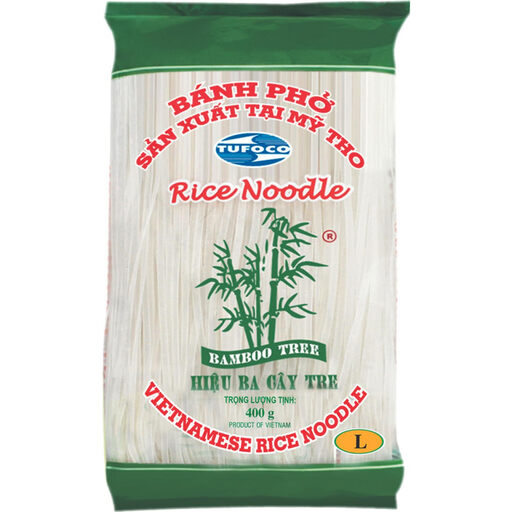
Why It Stands Out: These rice noodles have a width of 5 mm, making them a versatile choice for a range of Southeast Asian dishes. According to the manufacturer, they consist of 67% rice, which gives them a soft yet firm texture. Their shape is ideal for absorbing sauces and broths.
Pros:
Who It's For: For home cooks looking for an authentic base for Vietnamese or Thai noodle dishes and who prefer a noodle that absorbs sauce well.
Shop Bamboo Tree Rice Noodles Now
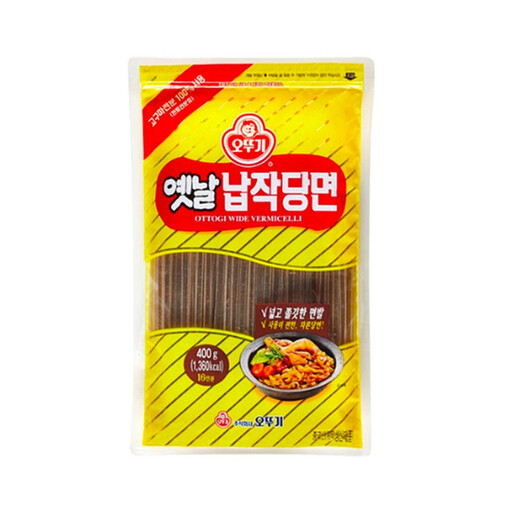
Why It Stands Out: These flat glass noodles are made from sweet potato starch and are known in Korea as Dangmyeon. They are distinguished by their exceptionally chewy and elastic texture, which is retained even after cooking. This makes them the traditional ingredient for Japchae noodles.
Pros:
Who It's For: For fans of Korean cuisine who want to prepare Japchae authentically and appreciate a noodle with a distinctly chewy and elastic consistency.
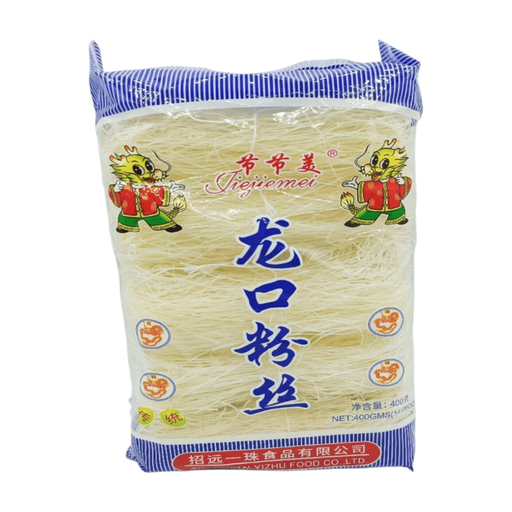
Why It Stands Out: These classic Longkou Vermicelli are made from pea and mung bean starch. After cooking, they become translucent and develop a silky-smooth yet springy texture. Their heat resistance makes them an excellent choice for dishes with longer cooking times, like hot pot.
Pros:
Who It's For: For cooks looking for an extremely versatile and heat-resistant noodle that can be used in a wide variety of preparations—from hot soups to cold salads.
Discover Longkou Vermicelli Now
The world of Asian noodles is vast and diverse. If you need a different variety or a specific package size, you might find the right product in our wider selection.
Discover more rice noodles in 400g packs and similar products here.
The main difference is the base ingredient. Rice noodles are made from rice flour and are white and opaque after cooking. They have a soft texture. Glass noodles are made from starch (e.g., from mung beans or sweet potatoes). They are white when dry but become translucent when cooked and have a more elastic, often chewier consistency.
Many varieties are naturally gluten-free noodles. This includes noodles made from 100% rice, mung bean starch, sweet potato starch, or buckwheat (for soba noodles, ensure they are 100% buckwheat). However, it's crucial to always check the ingredient list, as some products may contain wheat flour, especially Chinese egg noodles or udon noodles.
The preparation of glass noodles varies depending on the type and intended use. A common method is to first soak the noodles in warm water for about 10–15 minutes until they are pliable. Then, they are boiled for a few minutes until they reach the desired firmness. For salads, they are often rinsed with cold water to stop the cooking process and prevent sticking. Always follow the instructions on the package.