
Lieferung heute & morgen

Qualitätsgarantie

Willkommens-Angebote freischalten: KOSTENLOSE Lieferung | Bis zu 80 % RABATT | Kostenlose 30-Tage-JoyPlus-Testphase
App herunterladen
The selection of Asian noodles at the supermarket or online can be overwhelming. From paper-thin to wide, made from wheat or buckwheat—making the right choice is crucial for the success of your dish. However, unclear packaging and sheer variety often lead to buying the wrong product. This guide will help you avoid the common pitfalls and select the noodles that are perfect for your recipe.
As a Joybuy Product Recommendation Officer, I analyse product information to provide you with objective and practical guidance. Here, you'll learn what to look for to avoid disappointments like mushy stir-fried noodles or bland additions to your soup.
To keep things simple, focus on three essential characteristics. These will help you objectively evaluate the properties of the noodles.
The base of the noodle significantly determines its taste, texture, and cooking properties.
The shape is not just an aesthetic feature, but a functional one.
For high-quality dried Asian noodles, a short ingredient list is sufficient: flour (e.g., wheat or buckwheat), water, and salt. Additives like thickeners, acidity regulators, or stabilisers can alter the texture but are not always necessary. A simple composition is often a sign of an unadulterated product.
Here are some product recommendations tailored to different needs and cooking habits.
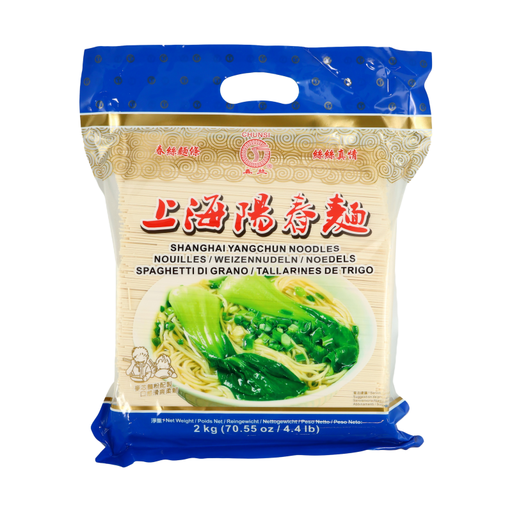
Why This Fits Their Persona: Ideal for families or anyone who regularly cooks Asian cuisine. The 2kg bulk pack offers an excellent supply of versatile wheat noodles suitable for soups, salads, and simple stir-fries.
The ingredient list is minimalist and transparent, containing only wheat flour, water, and salt. Its versatility prevents the mistake of buying a noodle that is too specialised.
Excellent value for the quantity. The smooth, firm texture makes them a reliable base for numerous classic Chinese noodle dishes.
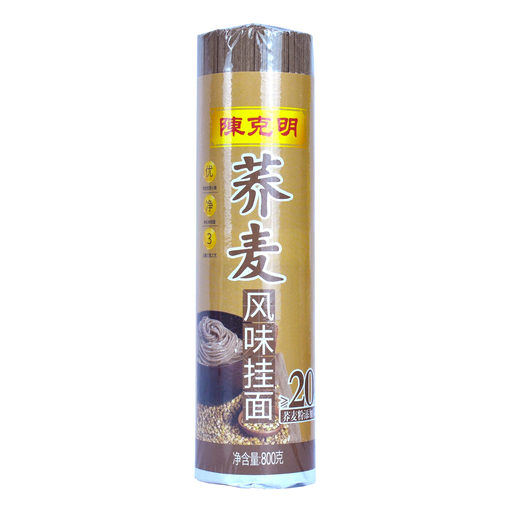
Why This Fits Their Persona: For lovers of soba noodles who appreciate a distinct buckwheat flavor and a firm texture. Perfect for cold soba dishes (Zaru Soba) or warm noodle soups.
The product declares a buckwheat flour content of ≥20%. This avoids the pitfall of soba noodles with minimal buckwheat content and delivers an authentic flavor experience.
The combination of buckwheat, wheat, and yam powder ensures a firm, smooth texture that doesn't fall apart during cooking. The 800g pack is also suitable for regular use.
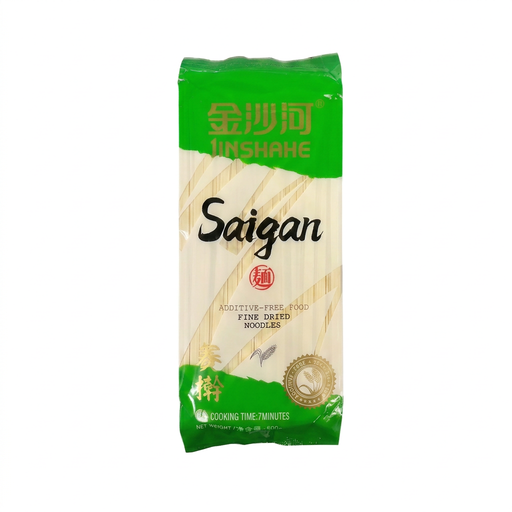
Why This Fits Their Persona: A reliable all-rounder for those who enjoy trying various Chinese noodle dishes. These noodles are a solid base for soups, stir-fries, or tossed noodles.
As classic Asian wheat noodles without special flavors or shapes, they are a safe choice, preventing you from buying an unsuitable specialty noodle for an everyday dish.
These noodles are stable during cooking and maintain a pleasant, chewy texture without making the broth cloudy. The 500g pack is a convenient size for regular use.
We have compiled a complete, up-to-date list of products that fully meet these strict selection criteria and applicable regulations.
1. Which Asian noodles are best for stir-fry dishes? Robust, sturdy noodle varieties are ideal for wok dishes. Flat mie noodles or wider Asian wheat noodles are a great choice. They hold their shape and chewy texture even at high temperatures and when tossed in the pan. Thin noodles tend to overcook quickly and become mushy.
2. How should I store opened packages of dried Asian noodles? Once opened, dried Asian noodles should be kept in an airtight container. Store it in a cool, dry place out of direct sunlight. This prevents the noodles from absorbing moisture, which could affect their texture, and protects them from foreign odors.
3. How can I identify a good buckwheat content in soba noodles? A reliable indicator is the ingredient list on the packaging. Manufacturers of higher-quality soba noodles often explicitly state the percentage of buckwheat flour (e.g., "Buckwheat flour ≥20%"). A higher percentage usually results in a more intense, nuttier flavor and a darker color. If wheat flour is listed first and the buckwheat content is not mentioned, it is likely low.