
Lieferung heute & morgen

Qualitätsgarantie

Willkommens-Angebote freischalten: KOSTENLOSE Lieferung | Bis zu 80 % RABATT | Kostenlose 30-Tage-JoyPlus-Testphase
App herunterladen
The variety of Asian noodles can be overwhelming. Whether you're making a hearty soup, a quick stir-fry, or a light salad, choosing the right type of noodle is key to a successful dish. Many home cooks wonder which noodle is best for their recipe and what the differences are in their ingredients.
This article serves as your guide. As a Joybuy Product Recommendation Officer, I'll introduce you to a selection of noodle varieties and provide practical criteria to make your next choice easier. The goal is to help you find the perfect Asian noodles for your kitchen.
To make the right choice, there are a few key aspects to consider. Texture, ingredients, and intended use play a central role.
Not every noodle is suited for every dish. The noodle's texture determines how well it absorbs sauces or holds its shape in a hot broth.
The ingredients determine not only the flavour but also the nutritional properties of the noodle. When you order Asian noodles online, you have the advantage of being able to compare product information at your leisure.
Dried Asian noodles have a long shelf life and are a convenient pantry staple. Store them in a cool, dry, and dark place to preserve their quality. Once the package is opened, the noodles should be used promptly or stored in an airtight container.
Here is a selection of noodle varieties that stand out for their specific properties and uses.

Why they stand out: These noodles combine a nutty buckwheat flavour with a firm, smooth texture. According to the manufacturer, they contain ≥20% buckwheat flour and 3% yam flour, which gives them a unique structure. The added wheat gluten provides elasticity.
Pros:
Best for: Home cooks who appreciate the characteristic flavour of buckwheat noodles and are looking for a versatile noodle for soups, noodle salads, or mixed noodle dishes.
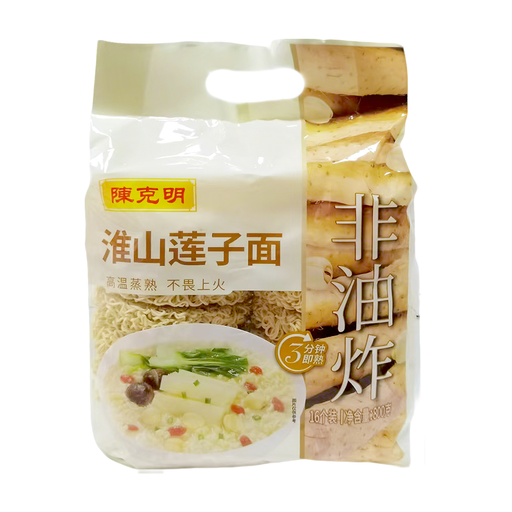
Why they stand out: According to the manufacturer, these wheat noodles are enriched with Huaishan powder (Chinese yam) and lotus seed powder. This gives them an exceptionally smooth and silky texture. The cooking time is very short, at just 3–5 minutes.
Pros:
Best for: Families and busy professionals looking for a quick and hassle-free noodle base for everyday meals.

Why they stand out: According to the Jinlongyu brand, these noodles are made using an active yeast fermentation process. This method is said to improve texture and digestibility. The fine, long strands are designed to absorb soups and sauces well.
Pros:
Best for: Lovers of traditional Chinese noodle soups who prefer a noodle with good sauce absorption and a classic, soft texture.
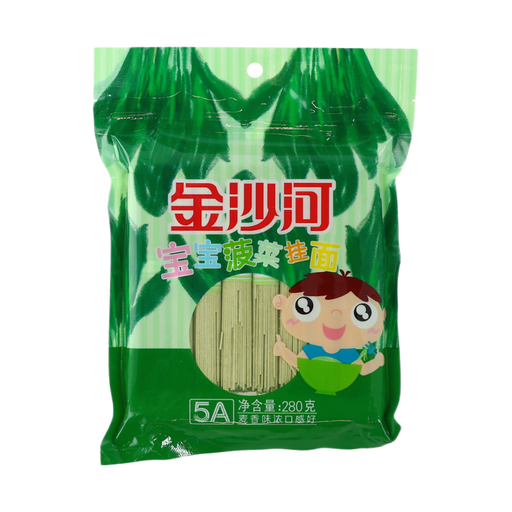
Why they stand out: According to the manufacturer, these spinach noodles for kids contain 2% spinach powder, which gives them a natural green colour. The short cooking time and appealing look make them a practical option for family meals.
Pros:
Best for: Parents looking for a visually appealing and quick-to-prepare noodle alternative for their children.
Didn't find the right variety for your next dish? The world of Chinese noodles is vast, offering the right option for every taste and recipe. From wide ribbon noodles to paper-thin vermicelli, there's still so much to discover.
Explore our entire range of Chinese dried noodles.
Although there are overlaps, the main differences lie in the ingredients and traditional uses. Chinese noodles are often based on wheat, rice, or mung bean starch. Japanese noodles like ramen (wheat), udon (thick wheat), and soba (buckwheat) have very specific production methods and uses in Japanese cuisine.
For soups, thin, smooth noodles are a great choice as they absorb the broth well without weighing it down. The Jin Long Yu Active Fermented Round Dried Noodles featured here are a good example. The CKM Buckwheat Noodles also hold their shape in broths and are well-suited for heartier soups.
Preparation is straightforward. Add the dried Asian noodles to a large pot of boiling water. Cook them for the time indicated on the package, stirring occasionally, until they reach the desired firmness. Then, drain and, depending on the recipe, serve immediately in a soup, add to a stir-fry, or let them cool for a salad.