
Lieferung heute & morgen

Qualitätsgarantie

Willkommens-Angebote freischalten: KOSTENLOSE Lieferung | Bis zu 80 % RABATT | Kostenlose 30-Tage-JoyPlus-Testphase
App herunterladen
The variety of Asian noodles can be overwhelming. From countless shapes and ingredients to different preparation methods, making the right choice isn't always easy. Are you looking for a quick weeknight meal, an ingredient for an authentic dish, or a low-calorie alternative for your diet?
This guide is designed to provide clarity. We'll introduce you to various noodle types and give you practical criteria to help you buy the Asian noodles that perfectly match your needs.
To find the right type of noodle, it helps to consider three fundamental aspects: the base ingredient, the shape, and the preparation method.
The noodle's foundation significantly determines its texture and flavour. Wheat noodles are widespread in Asian cuisine and are known for their elastic and firm-to-the-bite consistency. They form the basis for many classic Chinese noodles. A special category is konjac noodles, also known as shirataki. They are made from the root of the konjac plant and are virtually free of calories and carbohydrates, making them a popular choice for a health-conscious diet.
The shape of the noodle is no accident—it's designed to harmonise with specific dishes. Thin noodles are excellent for light broths and soups. Wide noodles, on the other hand, offer a larger surface area and can optimally absorb heavy, rich sauces, as seen in spicy chilli oil noodles. Their often tough, "chewy" texture provides a satisfying mouthfeel.
The time you have available plays a crucial role. Instant noodles are a practical solution for a quick and easy meal. They are often ready in just a few minutes and already include all the necessary seasoning and sauce packets. In contrast, handmade noodles require a longer cooking time but reward you with an unparalleled texture and authentic flavour that forms the basis of traditional dishes.
Based on the criteria above, we have compiled a selection of different noodle specialities from Asia that cater to various needs.

Why They Stand Out: These instant noodles combine the convenience of a quick meal with the intense flavour profile of spicy chilli oil noodles. The wide, flat wheat noodle strips have a pleasantly chewy texture. The highlight is the characteristic red oil sauce, which delivers a spicy and savoury depth with notes of roasted sesame and peanuts.
Benefits:
Best For: Ideal for professionals, students, and anyone craving a quick yet flavour-packed and spicy dish. An excellent choice for lovers of Sichuan cuisine.
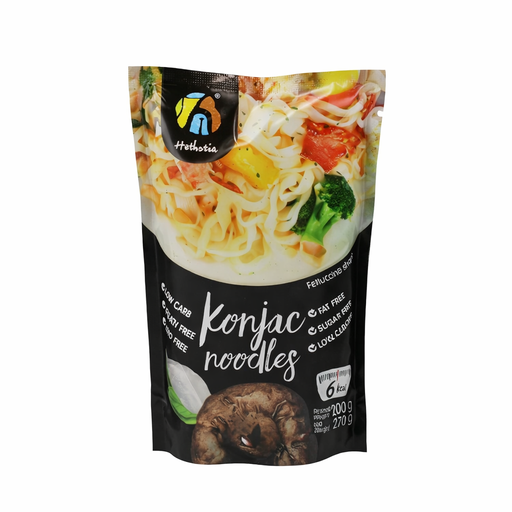
Why They Stand Out: These noodles are a modern take on classic pasta. Made from konjac powder and oat flour, they are an extremely low-calorie noodle alternative. With only 14 kcal per 100g according to the manufacturer, they fit perfectly into a health-conscious lifestyle or a low-carb diet.
Benefits:
Best For: Perfect for health-conscious individuals, athletes, people on a diet, or anyone looking for a light, low-carb alternative to conventional noodles. A modern form of the shirataki noodle.
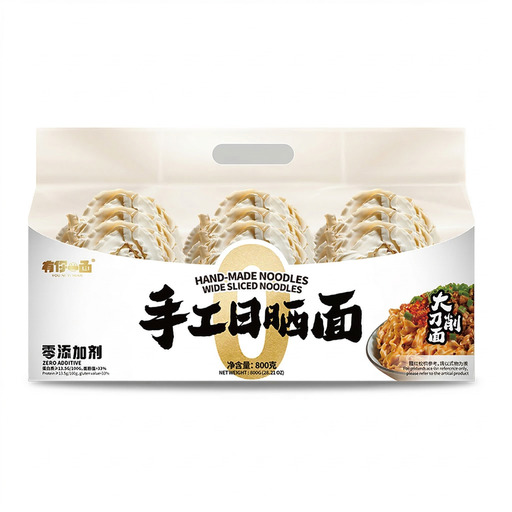
Why They Stand Out: These noodles represent tradition and craftsmanship. They are crafted as handmade noodles using traditional methods and are sun-dried. This process gives them a particularly firm, chewy texture and preserves the original wheat aroma. The wide, thick shape is typical of many traditional Chinese noodles.
Benefits:
Best For: For home cooks and lovers of authentic Asian cuisine who value high-quality base ingredients and are willing to invest a little more time in preparation for an outstanding result.
The world of Asian noodles is vast and full of exciting discoveries. Each shape and variety offers a unique culinary experience. If you have a preference for noodles with a generous surface area that perfectly soaks up sauces, check out our entire selection of wide noodles.
Chinese noodles are characterized by their immense variety but are very often based on wheat. They come in countless shapes—from paper-thin to the wide ribbon noodles featured here. In comparison, Japanese ramen noodles are often alkaline, which gives them a yellowish colour and a special firmness, while Vietnamese pho noodles are typically made from rice and have a softer texture.
Konjac noodles, also called shirataki, are a compelling option for specific dietary goals. They consist mainly of water and the dietary fibre glucomannan from the konjac root. This makes them practically free of calories, carbohydrates, and fat. Their flavour is neutral, which is why they absorb the aroma of sauces and spices very well. They are a popular choice for low-carb and ketogenic diets.
For this dish, wide noodles made from wheat are ideal, as their large surface area perfectly absorbs the spicy sauce. The basic principle is simple: cooked and drained noodles are topped with chopped garlic, spring onions, and chilli flakes. Then, highly heated oil is poured over to release the aromas. Finally, everything is mixed with soy sauce, black vinegar, and other spices. Products like the Yang Zhang Gui noodles offer a convenient all-in-one solution for this.
Your Joybuy Product Recommendation Officer