
Lieferung heute & morgen

Qualitätsgarantie

Willkommens-Angebote freischalten: KOSTENLOSE Lieferung | Bis zu 80 % RABATT | Kostenlose 30-Tage-JoyPlus-Testphase
App herunterladen
The world of Asian noodles is vast and fascinating, but the selection at the supermarket can be overwhelming. Many home cooks find themselves standing in the aisle, wondering which type is right for their planned dish. Vague labels or marketing promises often lead to disappointing results in the kitchen. This guide will help you avoid the common pitfalls and find the perfect Asian noodles for authentic meals.
A frequent problem is the discrepancy between expectation and actual product quality. A package that promises a "handmade" style doesn't always deliver the expected firm, al dente texture. Another annoyance is noodles that quickly turn mushy in a wok or soup because their shape and composition aren't suited for the cooking method. Furthermore, some products contain unnecessary additives, even though traditional Chinese noodles often consist of just wheat flour, water, and salt.
To avoid disappointment, it helps to understand three fundamental characteristics. These parameters are key in determining the texture, cooking performance, and suitability for your dish.
The shape is crucial for how well a noodle absorbs sauce or broth.
The manufacturing process has a direct impact on health and flavor.
The desired firmness, or "bite," depends heavily on the gluten content of the wheat flour used. A higher gluten content results in more elastic and resilient noodles that hold their shape even after cooking. Products described as "high-gluten" or "high-elasticity" are especially well-suited as noodles for woks, as they can withstand the high heat and constant stirring without falling apart.
To make your decision easier, we have matched several products to different user profiles.
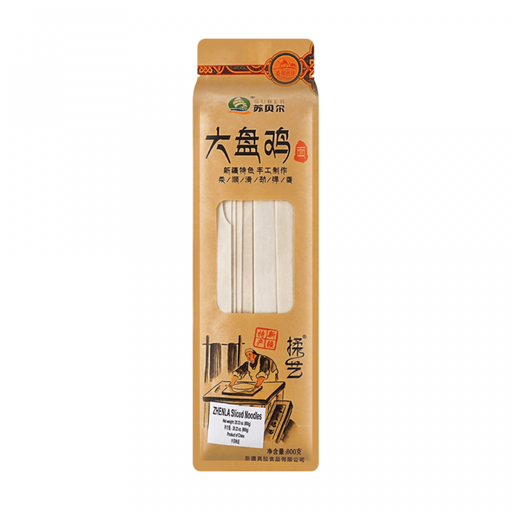
Why This Fits Their Persona: Ideal for preparing authentic dishes like Xinjiang Dapanji. Their wide, thick shape is specifically designed to hold rich, hearty sauces without losing their texture.
Instead of a generic "wok noodle," you get a specialized belt noodle whose shape and texture are perfectly suited for hearty stews. This prevents a mushy outcome.
Wide, hand-pulled style shape for maximum sauce absorption; simple ingredient list (98% wheat flour).
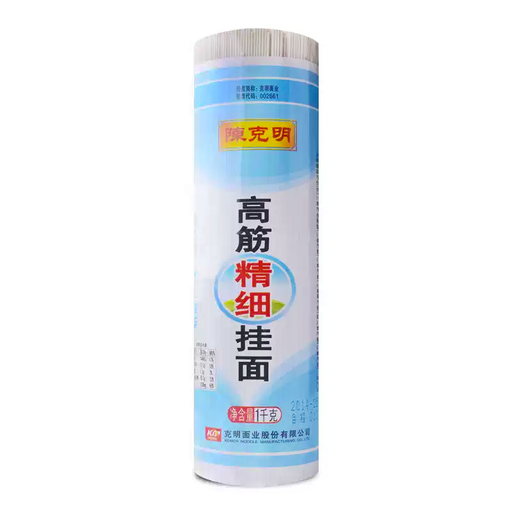
Why This Fits Their Persona: The 1kg bulk package is an economical and practical choice for daily use. These noodles are versatile enough for soups and stir-fries, making them a reliable pantry staple.
With a clean ingredient list of just wheat flour and salt, this product avoids the trap of hidden additives. The high gluten content ensures a reliably firm texture that won't disappoint.
High gluten content for a firm consistency; very cost-effective 1kg value pack for regular use.
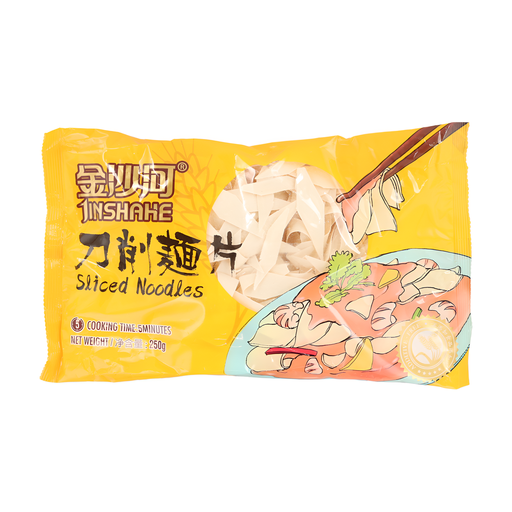
Why This Fits Their Persona: For home cooks who appreciate the rustic, irregular, and exceptionally chewy texture of traditional knife-cut noodles and want to lend an authentic character to their dishes.
The "knife-cut" designation here describes the characteristic wide, ribbon-like shape that guarantees an authentic, rustic texture—unlike many uniform, machine-made noodles.
Authentic, irregular shape for a rustic texture; absorbs sauces and broths extremely well.
We've compiled a complete, up-to-date list of products that fully meet these strict selection criteria.
To preserve the freshness and texture of dried noodles after opening, they should be stored in a cool, dry place. An airtight container is best, as it protects the noodles from moisture and outside odors. Stored this way, they will last for many months.
The main difference often lies in the ingredients and the resulting texture. Chinese noodles are typically based on simple wheat flour, water, and salt. This gives them an elastic, often "chewy" consistency. Italian pasta is traditionally made from durum wheat semolina and sometimes contains egg, which results in a firmer but less elastic texture.
It's possible, but not always the ideal choice. Many ramen noodles are specifically designed for preparation in soups and can become too soft or fall apart under the high heat of a wok. For noodles for woks, more robust, thicker varieties or noodles with a high gluten content are better suited, as they retain their firm structure during stir-frying.