
Lieferung heute & morgen

Qualitätsgarantie

Willkommens-Angebote freischalten: KOSTENLOSE Lieferung | Bis zu 80 % RABATT | Kostenlose 30-Tage-JoyPlus-Testphase
App herunterladen
The variety of Asian noodles can be overwhelming. From quick instant meals for a busy lifestyle to specialty noodles for health-conscious diets, making the right choice isn't always easy. This guide is here to help. As a Joybuy Product Recommendation Officer, I've gathered information to provide an objective overview of different noodle types. My goal is to help you find products that fit your needs, whether for quick meals or a specific diet.
To find the perfect noodles for your kitchen, a few key criteria can guide your selection. The decision often comes down to personal preference, the intended dish, and dietary requirements.
The base of the noodle is crucial for its flavour, texture, and nutritional value.
The intended use is another key factor in your selection.
Here is a selection of products that cater to different needs and tastes.

Why It Stands Out: This instant noodle soup from Jinmailang combines the convenience of a quick meal with a rich, traditional flavour. The noodles are non-fried, setting them apart from many other instant products. The hearty beef broth is complemented by separate vegetable and sauce packets.
Benefits:
Who Is It For? Ideal for professionals, students, and anyone looking for a quick yet filling and flavourful meal. A great choice for fans of classic Chinese noodle soup.
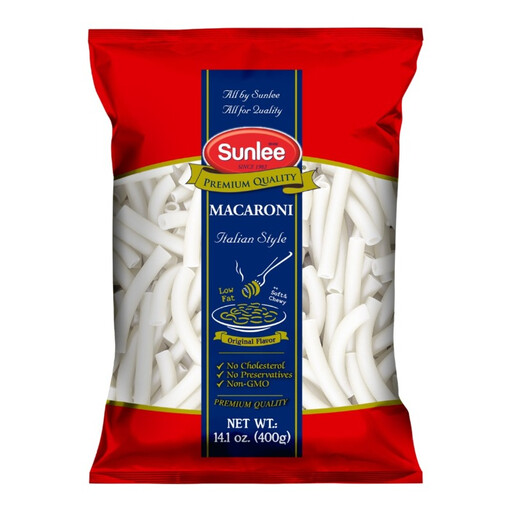
Why It Stands Out: Sunlee Rice Macaroni offers a versatile, gluten-free noodle option. Made from a blend of rice and tapioca starch, these noodles have a smooth texture and a pleasant bite. They serve as an excellent base for a wide variety of dishes.
Benefits:
Who Is It For? Perfect for individuals with celiac disease or gluten intolerance, as well as anyone seeking a light, rice-based noodle for their favourite recipes.
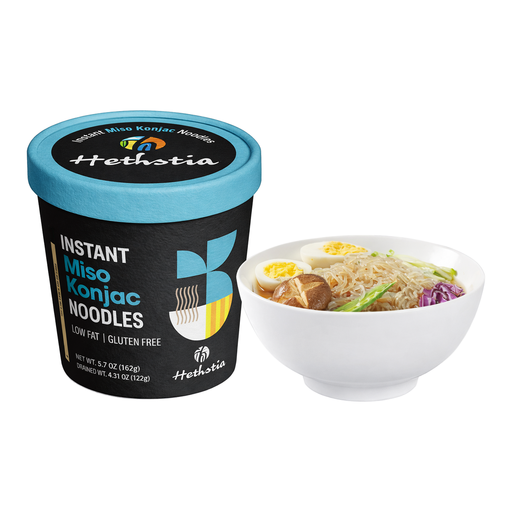
Why It Stands Out: These konjac noodles are the ideal solution for a low-calorie, low-carb diet. Packaged in a convenient cup with a miso soup base, they are ready in minutes. The noodles themselves are made simply from konjac flour and water.
Benefits:
Who Is It For? An excellent choice for health-conscious consumers, individuals following a ketogenic diet, or anyone looking for a light and quick meal without the high calories.
This selection represents just a small glimpse into the world of Asian noodles. If you're searching for other varieties or simply want to browse, you'll find a wider assortment in our comprehensive category.
? Explore our full range of long noodles here
1. Which Asian noodles are gluten-free? Besides the rice noodles already mentioned, noodles made from mung bean starch (glass noodles), sweet potato starch, or buckwheat (as long as they are 100% buckwheat soba) are also typically gluten-free. Konjac noodles are another gluten-free option. However, it is always wise to check the ingredient list on the packaging.
2. What is the difference between konjac and shirataki noodles? The terms konjac noodles and shirataki noodles are often used interchangeably. Both are made from the corm of the konjac plant. The name "shirataki" is Japanese for "white waterfall," which describes their translucent appearance. They are known for their extremely low calorie and carbohydrate content.
3. How can I enhance the flavour of instant noodles? Although many instant noodles come with a complete flavour packet, you can easily elevate them. Add fresh ingredients like a soft-boiled egg, chopped scallions, bok choy, mushrooms, or thinly sliced meat. A dash of soy sauce, sesame oil, or chilli oil can also provide an added depth of flavour.