
Lieferung heute & morgen

Qualitätsgarantie

Willkommens-Angebote freischalten: KOSTENLOSE Lieferung | Bis zu 80 % RABATT | Kostenlose 30-Tage-JoyPlus-Testphase
App herunterladen
The diversity of Asian cuisine is becoming increasingly popular in Western kitchens. Anyone looking to prepare authentic dishes quickly discovers that choosing the right noodles is crucial. The selection extends far beyond wheat noodles, encompassing numerous varieties that differ in ingredients, texture, and application. This guide is designed to help you when you want to buy Asian noodles, showcasing a selection of versatile dried noodles that offer a compelling alternative to traditional pasta or instant products.
To make an informed decision, consider a few objective criteria. The following points will guide you through your purchase.
The base for many Chinese noodles is wheat flour. However, it's the additional ingredients that truly define the noodle's character. Those seeking variety will find products enriched with other components.
A short, clear ingredient list is often a sign of a product that focuses on the essentials. Such varieties can be considered healthy noodles as part of a balanced diet.
Not every noodle is suitable for every recipe. The shape and texture are crucial for how well they pair with other ingredients.
The production method has a direct impact on cooking properties and mouthfeel. Many Asian noodle varieties are not deep-fried but air- or sun-dried. This is often noted on the packaging and results in a lighter, less greasy noodle. Artisanally made noodles may also have a more irregular shape and a particularly chewy texture.
Based on the criteria above, we've curated a selection of products that stand out for their ingredients and versatility.
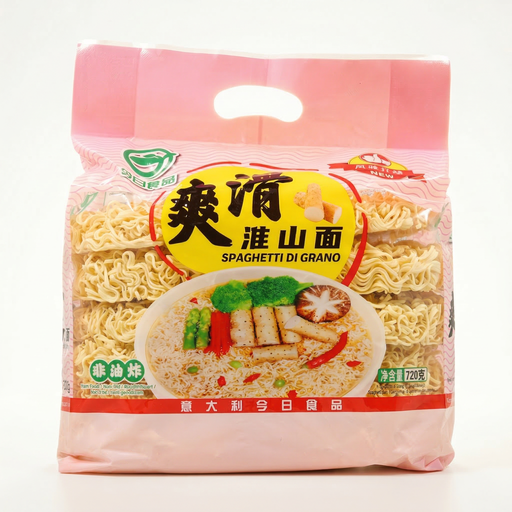
Why They Stand Out: These non-fried noodles combine wheat flour with yam root powder. This blend is known for its ability to create a smooth, glossy, and simultaneously firm texture. The noodles remain stable and don't tend to stick together, even after cooking.
Benefits:
Best For: Home cooks looking for a versatile noodle alternative with a stable texture for regular use, who appreciate a smooth consistency.
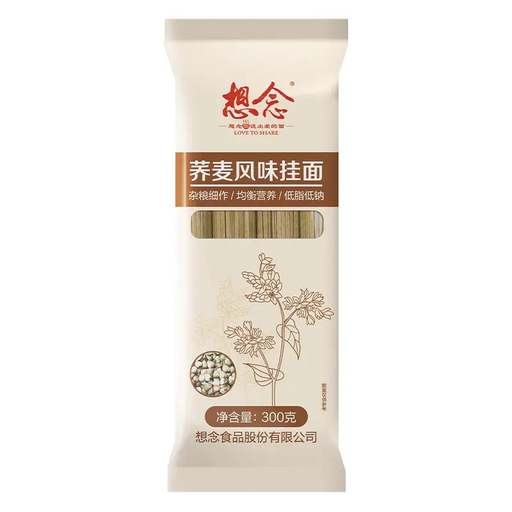
Why They Stand Out: The addition of buckwheat flour gives these noodles a characteristic, subtly nutty flavour and a darker colour. According to the manufacturer, they have a fibre content of 4.2g per 100g, making them an interesting option for a health-conscious diet.
Benefits:
Best For: Individuals who appreciate the taste of buckwheat and are looking for a higher-fibre noodle option for dishes like noodle soups or stir-fried noodles.

Why They Stand Out: These spinach noodles are artisanally crafted using traditional methods and then sun-dried. The knife-cut, flat shape ensures excellent sauce adhesion, while the spinach powder provides an appealing appearance and a delicate flavour note.
Benefits:
Best For: Enthusiasts of artisanal products who want a noodle with a unique texture and appearance for their dishes.
The world of Asian noodles is vast and diverse. If the selection presented here doesn't quite match what you're looking for, or if you wish to explore the full range of Asian noodle varieties, you can find a more comprehensive selection in our category.
Discover more dried noodles here
The main difference often lies in the base ingredients. While Italian pasta is typically made from durum wheat semolina and sometimes eggs, many Asian noodles are based on regular, egg-free wheat flour. Furthermore, there is an enormous variety of Asian noodle types made from rice flour, mung bean starch, sweet potato starch, or with additions like buckwheat and yam root.
The preparation is straightforward. Bring a large pot of water to a boil. Add the noodles and cook according to the package instructions until they reach the desired al dente texture. Drain the noodles. For cold dishes or to stop the cooking process, you can briefly rinse them under cold water. They can then be used directly in soups, stir-fries, or salads.
In the context of a balanced diet, these noodles can be a great addition. Asian buckwheat noodles often contain more fibre than plain wheat noodles. Yam noodles are typically not fried and are distinguished by their smooth texture. The term healthy noodles is relative, but these varieties offer a welcome nutritional diversity compared to standard products.