
Lieferung heute & morgen

Qualitätsgarantie

Willkommens-Angebote freischalten: KOSTENLOSE Lieferung | Bis zu 80 % RABATT | Kostenlose 30-Tage-JoyPlus-Testphase
App herunterladen
If you want to buy Asian pickled radish, you will find a wide range of options online: Chinese radish in cubes, Japanese pickled radish as Takuan, Korean Danmuji and spicy Sichuan products. The differences are not just in the name, but mainly in the cut, seasoning, salt content, pack size and intended use.
Yellow radish may look much the same at first glance, but it can taste sweet and sour, salty or distinctly spicy. Colour alone reveals little about the recipe. For example, Takuan and Danmuji may contain acidity regulators, sweeteners and colourings. If you are expecting a more neutral flavour, check the ingredients list and serving suggestions.
Spicy radish may be seasoned with chilli, chilli oil or Sichuan pepper. Chilli usually provides a direct heat, while Sichuan pepper also creates a tingling sensation in the mouth. Products containing oil often taste more intense and richer than simply salted radish cubes.
A jar or bag weighing 335 g to 500 g is suitable for households that regularly serve Asian side dishes. For occasional meals, individual portions are more practical, as opened products often need to be refrigerated and used soon afterwards. The key consideration is therefore your actual weekly consumption, not just the price per pack.
Look at the radish content, as well as the chilli, oil, sugar, vinegar and acidity regulators. Products containing soya sauce may contain soya beans and wheat. Sesame is also listed in some Chinese recipes. Korean or Japanese varieties may contain sulphites; some products also mention aspartame or a source of phenylalanine.
Many pickled products contain considerably more salt than traditional vegetable side dishes. In the product information available here, the values range from 1.5 g of salt per 100 g for a sweet-and-sour radish half to 8.75 g per 100 g for small Chaoshan radish pieces. This information makes comparison easier than general descriptions such as “mild” or “light”.
Unopened products are usually stored in a cool, dry place. Once opened, they will often need to be kept in the fridge. With radish in brine, the liquid should cover the vegetables as far as possible. Use clean utensils and always follow the best-before date and the specific instructions on the packaging.
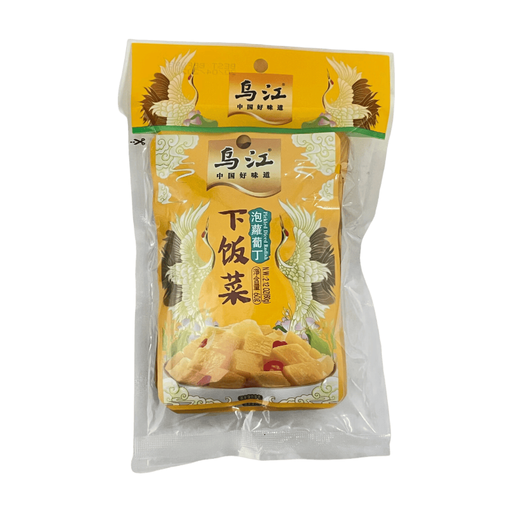
Why this product suits this profile: Four individual sachets, containing 240 g in total, make portioning easy. The radish cubes are ready to eat and pair well with rice, porridge, noodles or cold salads.
The individual portions reduce the risk of having to store a large pack for a long time after opening. The radish content is listed as 93%.
Mildly spicy pickled-pepper seasoning, 60 g portions and 23 kcal per 100 g according to the product information.
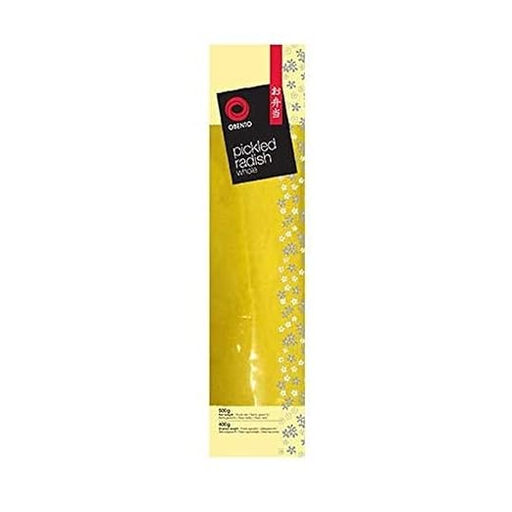
Why this product suits this profile: Depending on the dish, the whole pickled radish can be cut into thin slices or strips, making it suitable for sushi, rice bowls, salads and kimbap.
The product’s shape is clearly recognisable, so shoppers can choose their preferred slice thickness themselves. Information about sulphites and aspartame is provided in the product details.
Whole Takuan form, versatile use and, according to the product information, no allergens requiring declaration.
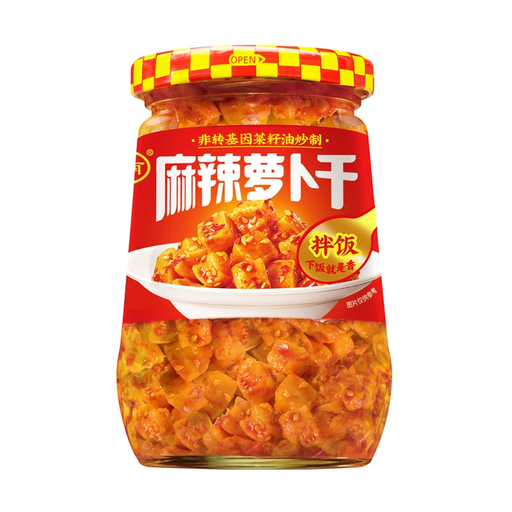
Why this product suits this profile: The combination of chilli and Sichuan pepper is intended for rice, noodles, congee, steamed buns or stir-fries.
The ingredients list rapeseed oil at 20% and chilli at 3.5%. Sesame is listed as an allergen and should be taken into account before purchase.
335 g jar, ready-to-eat preparation and a crisp texture according to the product description.
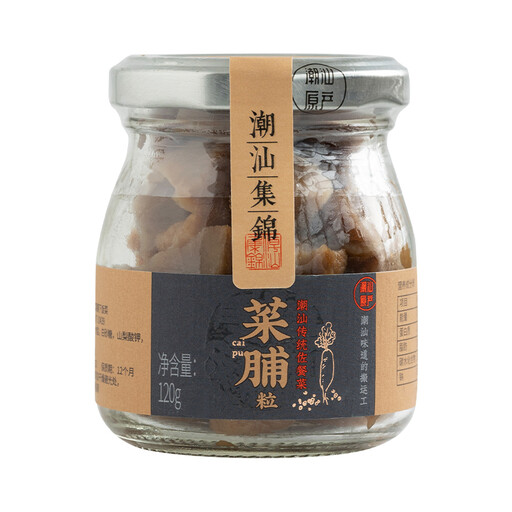
Why this product suits this profile: The small, pre-cut pieces are ideal as a seasoning ingredient for fried rice, congee, stir-fries and steamed dishes.
The cut saves preparation time. With a stated salt content of 8.75 g per 100 g, it is best used sparingly as a seasoning ingredient.
Pre-cut pieces, a sweet-and-salty umami profile and versatile use in cooking.
We have put together a complete, regularly updated list of products that fully meet these strict selection criteria and the safety regulations applicable in the EU.
This depends on the product. Many packs require refrigeration and should be consumed within a few days. With individual sachets, it is easier to plan how long the product will keep after opening. The information on the relevant packaging should always be followed.
No, ready-to-eat products can be eaten straight away. However, briefly rinsing or draining the radish can be useful if you prefer a milder seasoning or less salty flavour.
If you want to buy pickled radish, start by filtering according to cut, ingredients, allergens, salt content and pack size. Takuan or Danmuji varieties are a good choice for sushi and kimbap, while Chinese radish with chilli and Sichuan pepper is better suited to rice, noodles and strongly flavoured stir-fries.