
Lieferung heute & morgen

Qualitätsgarantie

Willkommens-Angebote freischalten: KOSTENLOSE Lieferung | Bis zu 80 % RABATT | Kostenlose 30-Tage-JoyPlus-Testphase
App herunterladen
The selection of Asian rice can be overwhelming. Whether for a fragrant Thai curry, a sticky dessert, or simply as an everyday side dish, the right type of rice is crucial for the success of the meal. However, the market is filled with vague labels and marketing promises that often confuse more than they help. This guide is designed to help you avoid common pitfalls and make an informed decision that meets your culinary needs.
A common mistake is confusing naturally aromatic rice with artificially perfumed products. Genuine fragrant rice like Jasmine rice develops its aroma through natural processes during growth, whereas other products are simply treated with flavouring agents. Another pitfall is using the wrong variety for a specific dish. Anyone who tries to make a dessert that calls for glutinous rice using standard long-grain rice will inevitably be disappointed. Finally, unclear quality specifications often lead to a poor purchase, for instance, when a high percentage of broken grains compromises the texture and the final cooking result.
To find the right rice, it's helpful to focus on a few objective parameters rather than being swayed by packaging design.
The variety determines the basic properties of the rice, such as its texture, flavour, and cooking behaviour. The distinction is fundamental:
Authentic fragrant rice owes its aroma to natural chemical compounds that develop during growth. The freshness of the harvest plays a significant role here. The origin can be an indicator of specific quality profiles. Rice from Thailand, Vietnam, or Cambodia is often known for its unique aromatic properties. Pay attention to the product description to ensure it is a naturally aromatic variety.
The choice of package size should depend on your consumption. For families, shared households, or food service businesses, a bulk bag of rice (e.g., 18 kg or 20 kg) can be an economical option. It typically offers a better price-per-kilogram ratio. Those who want to try different varieties or only need rice for special occasions are better off with smaller packages ranging from 1 kg to 5 kg. The growing availability of Asian groceries online now makes it easy to source both large and small packages.
Based on the criteria mentioned, we have identified several products for different use cases.
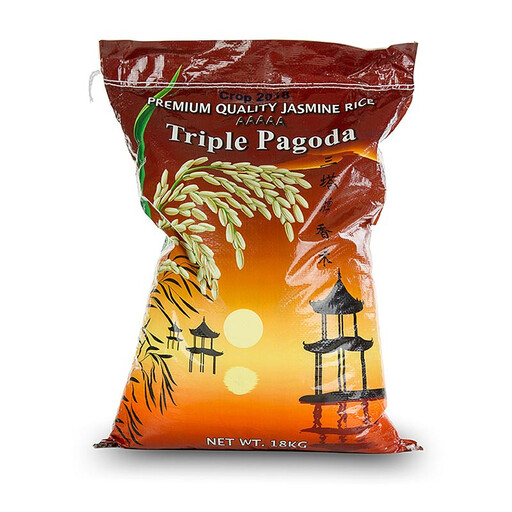
Why it's a good fit: Ideal for households with high rice consumption. This Jasmine rice from Thailand is a versatile all-rounder for steamed rice, fried rice dishes, and as a side for curries.
This is authentic Thai rice with a natural aroma, not an artificially perfumed product. The variety is clearly declared as Jasmine rice and is suitable for its intended dishes.
The bulk 18 kg bag offers an excellent price-to-quantity ratio for regular use. The soft, slightly sticky texture is characteristic of high-quality Jasmine rice.
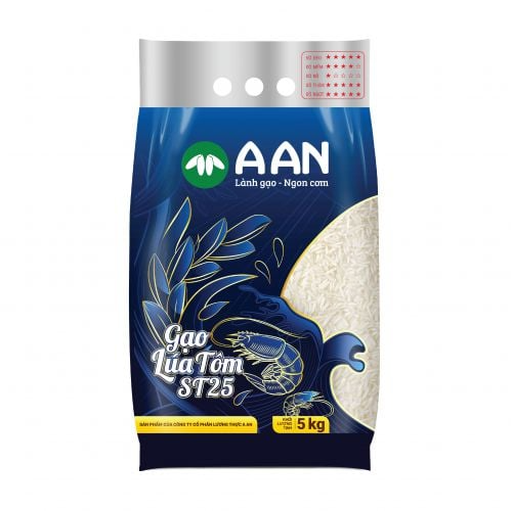
Why it's a good fit: For cooks seeking a special culinary experience. This Vietnamese rice of the ST25 variety has been awarded for its quality and elevates simple dishes to a new level.
This is a specific, internationally acclaimed rice variety (ST25 rice) with a clear origin in the Mekong Delta. Its quality is defined and not just a vague marketing promise.
Offers a distinctive aroma reminiscent of pineapple and pandan. The grains are long, soft, and have a naturally sweet taste, which sets it apart from standard Jasmine rice.
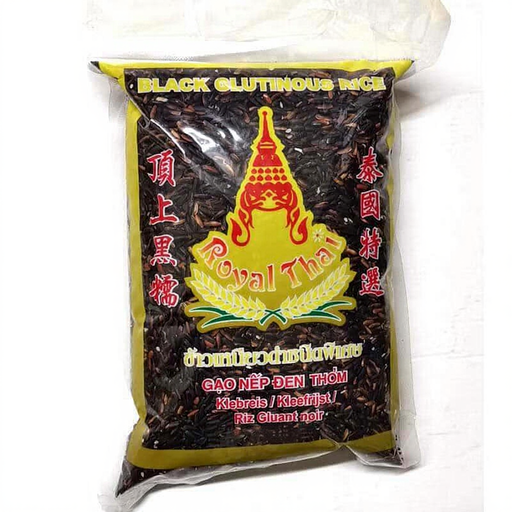
Why it's a good fit: Essential for preparing traditional Asian desserts. This black glutinous rice provides the authentic texture and a special flavour.
This is genuine glutinous rice (specifically, the special black rice variety) intended for desserts. It prevents recipe failures that require a very sticky consistency.
Offers a unique, nutty flavour note and a chewy texture. The dark colour also provides an appealing visual in desserts and porridges.
Our selection includes a wide range of products that have been carefully curated based on objective criteria such as variety, origin, and quality.
To preserve the freshness of a bulk bag of rice, it should be stored in a cool, dry, and dark place. After opening, it is advisable to transfer the rice to an airtight container. This protects it from moisture, pests, and the loss of its aroma.
Although both are aromatic long-grain rice varieties, there are clear differences. Jasmine rice, primarily grown in Southeast Asia, has a floral aroma and becomes softer and slightly sticky when cooked. Basmati rice from India and Pakistan has a nuttier aroma, and its grains remain longer, firmer, and more separate after cooking.
Yes, it is highly recommended. Rinsing the rice in cold water removes excess starch from the surface of the grains. This results in a better texture—the rice becomes less sticky and gummy. It also removes any potential impurities from the processing stage. Wash the rice until the water runs mostly clear.