
Lieferung heute & morgen

Qualitätsgarantie

Willkommens-Angebote freischalten: KOSTENLOSE Lieferung | Bis zu 80 % RABATT | Kostenlose 30-Tage-JoyPlus-Testphase
App herunterladen
The variety of Asian rice available in stores can be overwhelming. From sticky sushi rice to aromatic fragrant rice, each type has unique properties that make it ideal for specific dishes. The wrong choice can significantly impact the texture and flavour of a meal.
This guide is designed to provide clarity. It introduces different varieties of Asian rice, explains their specific characteristics, and gives you an objective basis for buying the right specialty rice—whether for an authentic Thai curry, homemade sushi, or an exotic dessert.
To make the right decision, some basic knowledge of rice varieties is helpful. The following points offer some guidance.
The texture of cooked rice is largely determined by its grain length and its amylopectin content (a type of starch).
The dish you plan to make is the most important factor in your selection.
For home use, a 1kg rice pack is often a convenient size. It allows you to try a new variety without a long-term commitment while also ensuring there is enough rice for several meals or for guests.
Based on the criteria above, we have put together a selection of rice varieties suitable for various culinary projects.
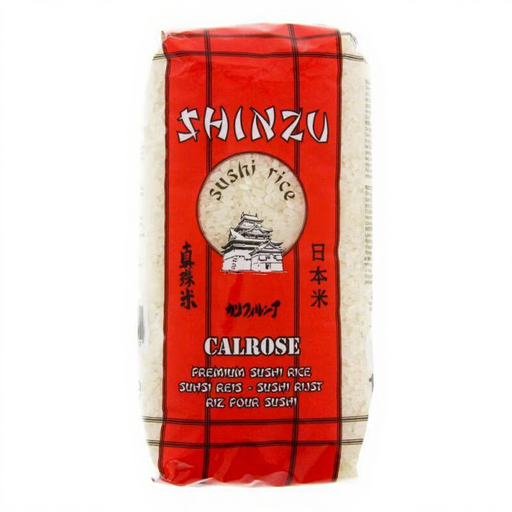
What Makes It Stand Out This rice has been specially selected for preparing sushi. Its grains are cultivated to achieve the ideal sticky yet firm texture after cooking, which is required for rolling maki and shaping nigiri.
Benefits
Who It's For For home cooks who want to prepare authentic sushi, poke bowls, or other Japanese rice dishes at home and value a reliable foundation.
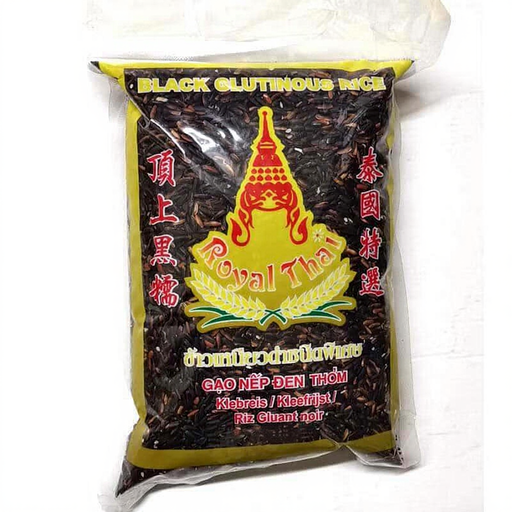
What Makes It Stand Out This whole-grain rice, also known as black sticky rice, is notable for its deep purple to black colour after cooking. It is prized in Southeast Asian cuisine for its nutty taste and chewy texture.
Benefits
Who It's For For culinary explorers who want to prepare traditional Asian desserts or add a special visual and flavourful touch to their dishes.
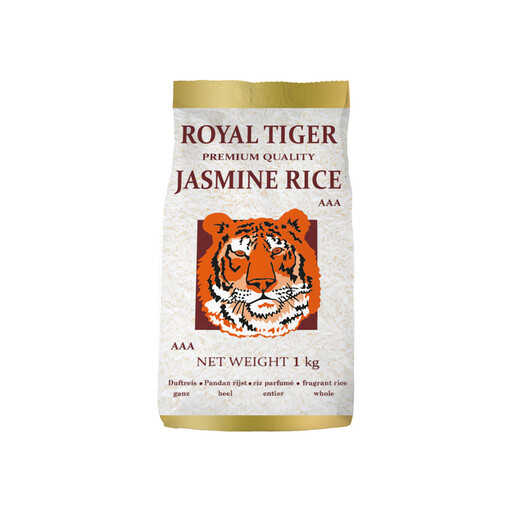
What Makes It Stand Out This Jasmine rice from Cambodia is known for its subtle, floral fragrance and high-grade quality. It is slightly stickier than Basmati rice and lends a characteristic aroma and pleasant texture to a wide variety of Asian dishes.
Benefits
Who It's For For anyone looking for a versatile and aromatic fragrant rice as a side for curries, fried dishes, or as the main component of their meal.
The products presented here cover specific use cases. If you are looking for a different variety, an alternative pack size, or more options for everyday use, it's worth exploring our wider range.
Discover our full selection of 1 kg rice and find the perfect option for your next dish.
Although both are aromatic long-grain rice varieties, there are differences. Jasmine rice has a floral scent and becomes softer and slightly sticky after cooking. It typically comes from Southeast Asia. Basmati rice has a nuttier aroma, and its grains remain longer, drier, and fluffier after cooking. It is primarily grown at the foot of the Himalayas.
Yes, washing sushi rice is an important step. This process removes excess starch from the surface of the grains. It prevents the rice from becoming too mushy and ensures the right consistency, where the grains stick together but are still recognisable as individual grains. The rice should be rinsed with cold water until the water runs clear.
Although regular short-grain rice (e.g., pudding rice) also becomes sticky, it often doesn't have the exact same starch composition and texture as special Japanese rice for sushi. For an authentic result with the right balance of stickiness and firmness, using designated rice for sushi is recommended.
Your Joybuy Product Recommendation Officer