
Lieferung heute & morgen

Qualitätsgarantie

Willkommens-Angebote freischalten: KOSTENLOSE Lieferung | Bis zu 80 % RABATT | Kostenlose 30-Tage-JoyPlus-Testphase
App herunterladen
If you’re looking to buy Asian rice crackers, you’ll find a wide selection online from China, Japan, Korea, Thailand and Taiwan. But the varieties differ in more than just flavour and shape: they range from mild and savoury to spicy and sweet, with some featuring seaweed. Ingredients, allergens, pack size and storage can all affect whether a product suits your routine.
Descriptions such as Japanese rice crackers, Chinese rice crackers or Korean snacks don’t automatically mean a consistent recipe. A product may come from a particular country but take its flavour inspiration from soy sauce, seaweed, chilli, honey or tteokbokki. So check the product description and ingredients list, rather than relying on the country label or an image on the packaging.
Crunchy rice snacks often seem airy, but their nutritional values can vary considerably depending on their oil, sugar and seasoning content. For example, product information may list around 397 to 571 kcal per 100 g. For a fair comparison, always use the same reference amount and don’t just look at the serving size on the front of the pack.
A 520 g pack may suit families, parties or regular tea breaks. For one-person households or occasional snacking, smaller packs of 50 to 150 g are often easier to finish. Once opened, store rice crackers in a dry place and, where possible, in an airtight container, as moisture affects their crisp texture.
Check the main ingredients, such as rice, rice flour, cornflour or barley. Seasonings often include soy sauce, wheat, sugar, palm oil, chilli or seaweed. Allergens that must be highlighted by law are particularly important. For example, several of the products listed contain soya and wheat or gluten. Other possible allergens include milk, egg, sesame, fish, crustaceans, cashew nuts or sweeteners.
If you have an allergy or intolerance, always rely on the information on the current packaging. Recipes and traces information can change.
Original or lightly salted varieties are a good place to start if you prefer milder flavours. Seasoned rice crackers with chilli, seaweed or tteokbokki flavour are better suited to shoppers looking for bolder tastes. Sweet varieties, such as honey, coconut or fruit rice crackers, are a better match for tea breaks and dessert-style snacks.
Don’t treat the word ‘spicy’ as a precise measure of heat. If you’re sensitive to spice, start with an original or mild variety and check the ingredients for chilli, paprika extract or capsaicin.
Small bags, such as 50 or 60 g packs, are handy for taking out and about or trying a new flavour. Packs of 100 to 150 g give you more to enjoy day to day. Individually wrapped products can be convenient for office snacks, training sessions or sharing over tea, as you can open fresh portions as needed. For larger gatherings, a multipack such as WANT WANT Senbei Large, with 520 g and 88 packs, is a practical option.
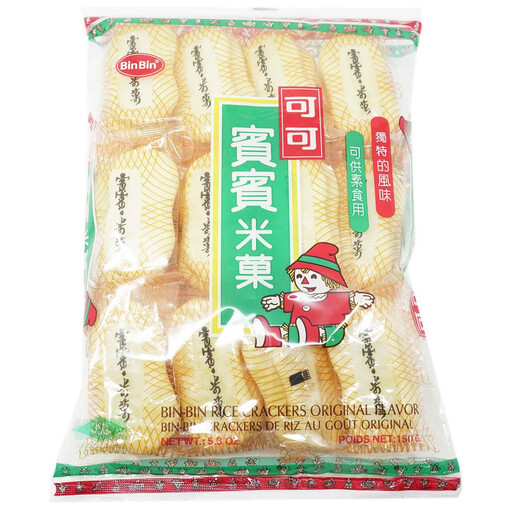
Why this product suits this shopper: Its mild flavour and 150 g pack make it an easy introduction to classic rice crackers for everyday snacking and tea breaks.
The product information clearly states the flavour, net weight and allergens, soya and wheat. This makes it easier to make an informed choice before buying.
Mild flavour, 150 g pack and individually wrapped crackers, according to the product information.
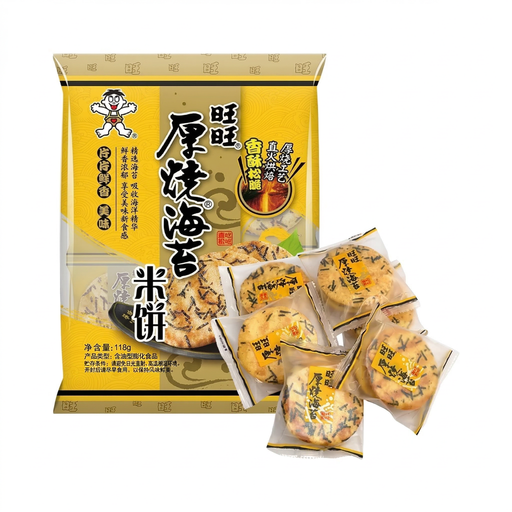
Why this product suits this shopper: The recipe combines rice, seaweed and bonito flavour with a savoury soy sauce seasoning. It’s a good fit for shoppers who like to compare ingredients and flavour profiles in detail.
The product information specifically lists soya, wheat, fish and liquorice. The salt content is also given as 4,75 g per 100 g.
70 % rice according to the ingredients list, 1,6 % seaweed and individual wrappers for easy portioning.
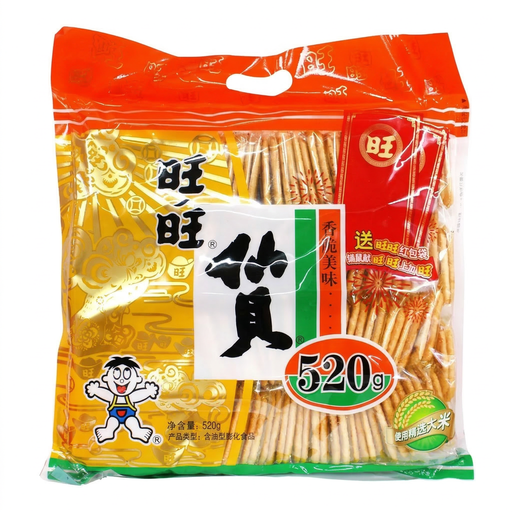
Why this product suits this shopper: This large pack is designed for families, parties, offices or regular sharing, and contains individually portioned packs.
The 88 individual packs reduce the risk of the whole supply absorbing moisture after opening. Even so, make sure you have enough storage space before buying.
520 g total, 88 packs and a classic savoury rice cracker flavour.
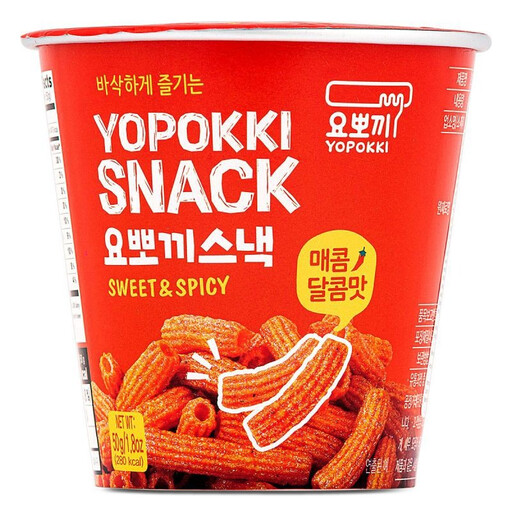
Why this product suits this shopper: This snack takes inspiration from the sweet and spicy flavour of tteokbokki. Its 50 g portion is ideal for trying the flavour without committing to a larger pack.
The ingredients include chilli, capsaicin and aspartame. Wheat, milk and soya are also listed as allergens.
Small 50 g pack, sweet and spicy tteokbokki flavour, and clear information about relevant allergens.
We’ve put together a complete, regularly updated list of products that meet these strict selection criteria and fully comply with the safety regulations in force in the EU.
Store rice crackers in a cool, dry place away from direct sunlight, following the instructions on the packaging. Once opened, seal the bags as airtight as possible. With individually wrapped products, the rest of the supply stays better protected. You’ll find the best-before date on the packaging; after opening, how crisp the crackers stay depends largely on how they’re stored.
When serving them to children, make sure hard or small pieces are suitable for their age. Check for allergens such as wheat, soya, milk, egg, sesame, fish or nuts before serving.
You can buy Asian snacks online by first filtering by flavour, country of origin, pack size and ingredients. Packs of 50 to 60 g are handy for a first try. If you share snacks regularly, you could choose a 150 g pack or a larger pack.
There’s no fixed shelf life after opening that applies to every product. It depends on moisture, how well the pack is sealed and the room temperature. Store the contents in a dry, airtight place and follow the manufacturer’s instructions. With individually wrapped crackers, you can open the pack a portion at a time.
Original rice crackers and lightly seasoned varieties are usually a good place to start. Rice crackers with chilli, seaweed or tteokbokki flavour may be more intense. Check the ingredients before buying, as terms such as ‘spicy’ don’t indicate a standardised level of heat.