
Same-day & Next-day Delivery

Quality Guaranteed

Unlock Your Welcome Offers: FREE Delivery | Up to 80% OFF | Free 30-day JoyPlus trial
Download the APP
Asian rice crackers come in a wide range of varieties: mild, savoury, sweet, with seaweed, sesame or a hint of soy sauce. They make a handy snack for the office, a tea break or a film night, and are great for sharing with the family. However, the product name alone tells you little about the ingredients, portion size or flavour. So if you’re looking to buy rice crackers, it’s worth comparing a few details on the packaging.
Rice crackers often look airy and thin, but depending on the recipe, they can still contain significant amounts of fat, sugar or salt. The energy values in the product information available here, for example, range from around 397 to 571 kcal per 100 g. Ingredients such as palm oil, rice bran oil, sugar, syrup and seasoning blends all play a part.
Names such as “Seaweed”, “Caviar”, “Honey” or “Spicy” describe the flavour, but don’t necessarily tell you how much of the named ingredient the product contains. For example, seaweed rice crackers may contain less than two per cent seaweed. A honey flavour may also come from a relatively small amount of honey, with added flavouring.
A rice cracker snack set or family-size pack can be handy for sharing. But if you live alone or only eat them occasionally, a large quantity may lose its crunch if the packaging isn’t sealed properly after opening. Individually wrapped pieces or single-serve packs make storage and portioning easier.
Japanese rice crackers, Chinese rice crackers and Korean rice snacks often contain soya, wheat, sesame, milk or fish. Soy sauce often contains soya and wheat. Varieties with bonito, prawn or chicken flavouring aren’t automatically suitable for people with related intolerances or dietary requirements.
Read the full allergen information before you buy. The following are particularly important:
For a fair comparison, the table per 100 g is more useful than the pack size. Check the energy, fat, saturates, sugar and salt. Flavour can make a significant difference: sweet rice crackers often contain more sugar, while savoury varieties may have a higher salt content because of seasoning powders and soy sauce.
A resealable pack is handy if you’ll be eating the crackers at home. Smaller bags may be more suitable for office snacks or taking out with you. A larger pack is a good choice for a film night or family get-together. Individually wrapped products make it easier to take out just the amount you want.
Descriptions such as “baked”, “roasted” or “fried” give you an idea of how the crackers are made, but they don’t replace checking the nutritional table. Roasted products can still contain oil and sugar.
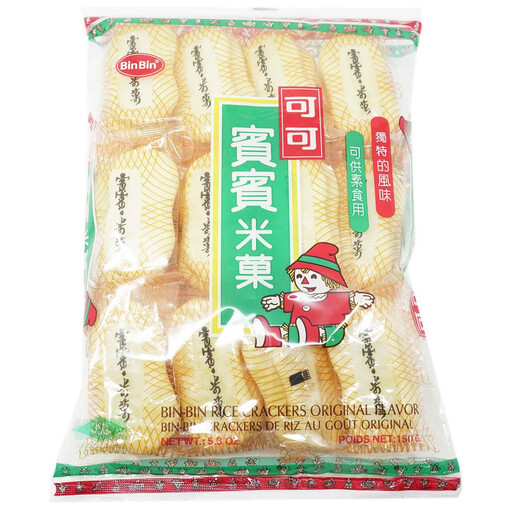
Why this product suits this profile: The mild original variety is a straightforward introduction to Asian rice crackers. Enjoy it with tea or as a simple snack between meals.
The flavour is clearly identified as original. At 150 g, the pack is a manageable size, rather than a large bulk purchase.
150 g pack, mild seasoning and 0.6 g salt per 100 g according to the product information.
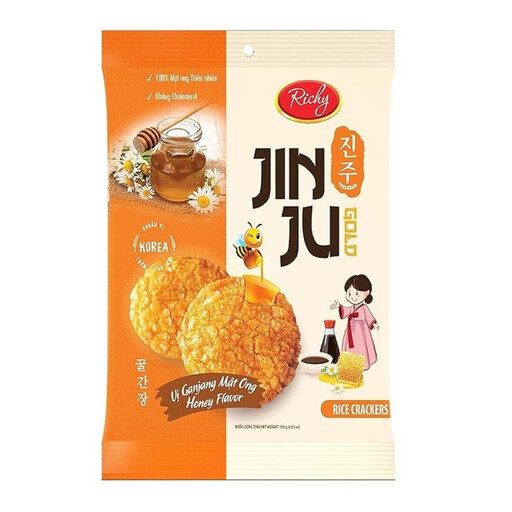
Why this product suits this profile: According to the product description, it combines Japanese Japonica rice with honey and soy sauce notes. The individually wrapped pieces will appeal to shoppers who pay attention to ingredients and freshness.
The product information lists honey at 4.6 per cent, as well as soya and wheat allergens. This makes it easier to understand the flavour and ingredient description.
100 g pack, individually wrapped pieces and nutritional values provided, including 1.12 g salt per 100 g.
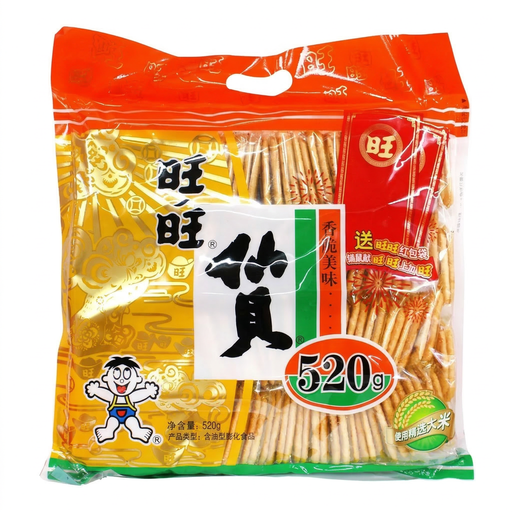
Why this product suits this profile: With 520 g and 88 packs, this Chinese-style senbei is made for families, stocking up and sharing with a crowd.
The product name tells you how many portions are included, making it easier to plan for sharing and stocking up.
88 individual packs, 520 g total weight and 1.25 g salt per 100 g according to the product information.
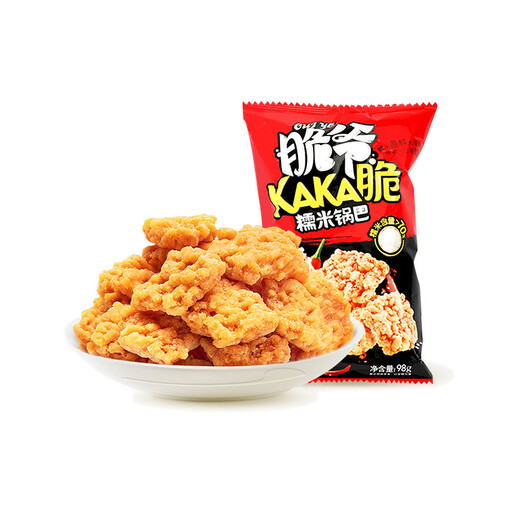
Why this product suits this profile: Made with glutinous rice, Sichuan pepper and chilli powder, these crackers are aimed at adults looking for a spicy Chinese snack for the office, a film night or on the go.
The heat comes from clearly listed ingredients such as Sichuan pepper and chilli powder. The 98 g pack keeps the quantity manageable if you’re trying it for the first time.
98 g bag, ready to eat, with 2.5 g salt per 100 g listed; contains soya and wheat.
We’ve put together a complete, regularly updated list of products that meet these strict selection criteria and fully comply with the safety regulations in force in the EU.
Mild original varieties are usually easier to assess than heavily seasoned or sweet options. Look for a manageable pack size and check the ingredients list for soya, wheat and other allergens. A small rice cracker snack set with several varieties can be a good way to compare flavours.
Store the pack in a cool, dry place away from direct sunlight. Seal opened bags airtight or transfer the contents to a suitable container. Moisture affects the crunch. Always follow the best-before date on the packaging.
Where a product comes from doesn’t determine its flavour, but it can give you a general idea. Japanese products are often sold as senbei; Chinese rice crackers may be sweet, savoury or seasoned with soy sauce, while Korean varieties often have their own seasoning blends and textures. Ingredients, allergens, nutritional values and pack format are more useful when choosing than the country of origin alone.