
Lieferung heute & morgen

Qualitätsgarantie

Willkommens-Angebote freischalten: KOSTENLOSE Lieferung | Bis zu 80 % RABATT | Kostenlose 30-Tage-JoyPlus-Testphase
App herunterladen
The selection at the supermarket or online can be overwhelming: from Basmati to Jasmine to special sushi rice, finding the right variety is crucial for the success of a dish. An Indian biryani requires a different type of rice than Japanese sushi or a Thai dessert.
This guide will help you understand the key differences between the various Asian rice varieties. This way, you can make an informed decision and confidently buy the perfect rice for your next culinary adventure.
Best, Joy from the Joybuy Team
To make the right choice, three criteria are particularly important: the grain type, the aroma, and the specific use case.
The shape and length of the rice grain largely determine its cooking properties. This is due to the different ratios of two starches: amylose and amylopectin.
Some rice varieties are distinguished by a distinct natural aroma that can significantly shape a dish.
For some recipes, using a very specific rice variety is essential to achieve the authentic texture and flavour.
Based on these criteria, we have curated a selection of rice varieties perfect for preparing authentic Asian dishes.
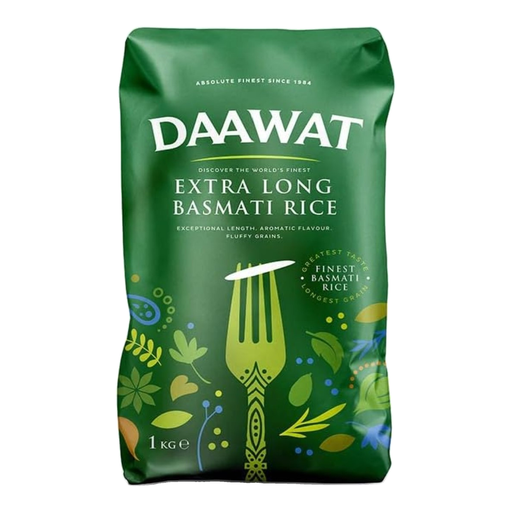
Why This Variety Stands Out This Basmati rice is distinguished by its exceptionally long grains, which, according to the manufacturer, expand to a length of up to 24 mm when cooked. Through a natural aging process, it develops a delicate, nutty aroma and a particularly fluffy, non-sticky texture.
Benefits
Who It's For For home cooks who want to prepare an authentic biryani or pulao and value a particularly fluffy, fragrant, and long-grain rice.
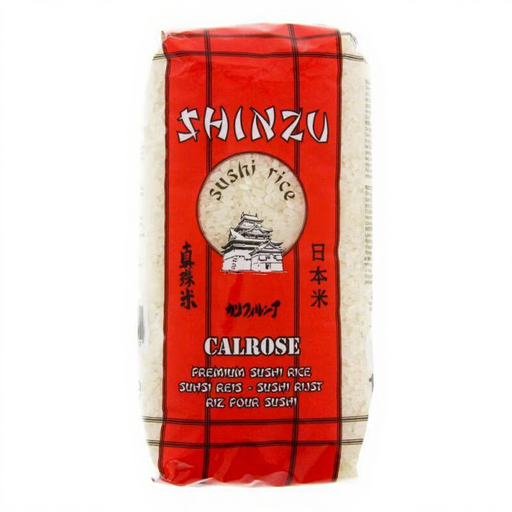
Why This Variety Stands Out Shinzu Sushi Rice is specially selected for Japanese cuisine. After cooking, its grains provide the necessary stickiness to form sushi while remaining firm to the bite. This creates a stable foundation for maki, nigiri, or even poke bowls.
Benefits
Who It's For For anyone who wants to make authentic sushi at home and needs a rice that guarantees the right consistency for rolling and shaping.
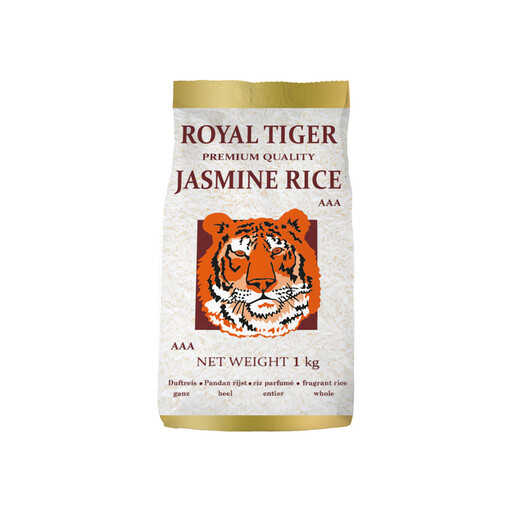
Why This Variety Stands Out This Jasmine rice from Cambodia is a classic aromatic rice with a delicate, floral aroma. Compared to Basmati rice, it has a slightly stickier texture, making it an ideal companion for a wide range of Southeast Asian dishes, especially curries or fried foods.
Benefits
Who It's For A great choice for lovers of Thai and Vietnamese cuisine who are looking for an aromatic and versatile rice to accompany their dishes.
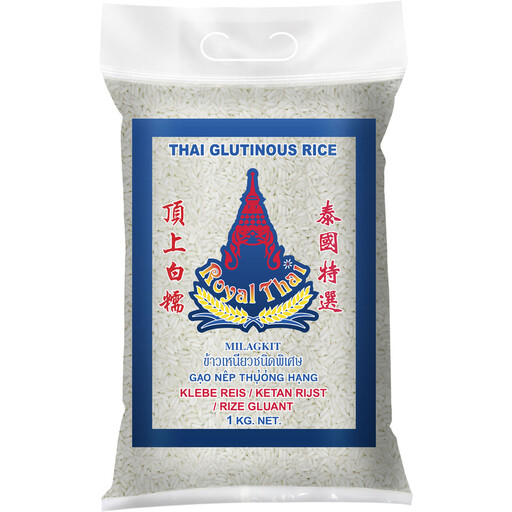
Why This Variety Stands Out This glutinous rice is the foundation for many traditional Southeast Asian specialities. After soaking and steaming, it develops a unique, very sticky and chewy texture that is indispensable for dishes like the classic dessert Mango Sticky Rice.
Benefits
Who It's For For food enthusiasts who want to prepare authentic Thai desserts or special savoury rice dishes like Laab with sticky rice.
Didn't find the right variety, or do you need a different quantity? In our Rice 1kg category, you'll find a wider selection for your next culinary project.
Although both are aromatic long-grain rice varieties, there are clear differences. Basmati rice mainly comes from India and Pakistan, has very long, slender grains that are dry and fluffy after cooking, and possesses a nutty aroma. Jasmine rice from Thailand has slightly shorter grains, clumps together slightly, and gives off a floral scent.
No. The name "glutinous rice" is misleading. It refers exclusively to the sticky, glue-like consistency of the rice after cooking. This property is due to its very high content of amylopectin starch. Like all rice varieties, glutinous rice is naturally gluten-free.
Washing rice under clear water removes excess starch that clings to the surface of the grains. This step is particularly important for long-grain rice to prevent clumping and to achieve a fluffy texture. For sushi rice, washing is essential to get the right balance of stickiness and grain separation for the final product. For best results, follow the preparation instructions on the package.