
Lieferung heute & morgen

Qualitätsgarantie

Willkommens-Angebote freischalten: KOSTENLOSE Lieferung | Bis zu 80 % RABATT | Kostenlose 30-Tage-JoyPlus-Testphase
App herunterladen
If you’re looking to buy Asian rice wine, you’ll find a wide selection online from Japan, Korea and China. However, Japanese sake, Korean makgeolli, Chinese rice wine and cooking sake are quite different. A low price or an eye-catching flavour tells you little about whether a bottle is right for the occasion.
Three common buying pitfalls are:
Japanese sake is made from rice, water and koji. Depending on the style, it can taste dry, mild, aromatic or slightly sweet. One example is Choya Sake, with 14.5% vol. and a bottle size of 750 ml. According to the product information, it is made from rice, koji and water, and can be served chilled, at room temperature or warmed.
Nigori sake is not fully filtered. This leaves a fine rice sediment, giving it a cloudy appearance and a creamier texture. According to the product information, Sayuri Nigori Junmai contains 12.5% vol. and should be shaken gently before serving. Once opened, it should be kept chilled and consumed soon afterwards.
Korean makgeolli is usually cloudy, slightly creamy and often mildly sour. The classic variety in this selection has around 6% vol. and is best served well chilled. You can shake it gently before pouring to distribute the natural ingredients evenly.
Flavoured varieties such as peach or white grape are suited to anyone who prefers fruity, lightly sparkling drinks. According to the product information, Kooksoondang Makgeolli Peach contains 3% vol., while the Whitegrape variety combines fruity flavour with a creamy texture. Both products contain gluten-containing cereals and should be chilled after opening.
Chinese rice wine is used both as a drink and in cooking. Shaoxing wine is traditionally made from glutinous rice, wheat and water. Its flavour can range from mild and slightly sweet to spicy, malty and rich in umami.
A matured Shaoxing wine can pair well with full-flavoured dishes such as braised meat, poultry or seafood. Before buying, check the alcohol content, age statement, ingredients and intended use. A product aged for 10 years with 14.5% vol. is quite different from a salted cooking wine.
Consider the alcohol content not just for the flavour, but also for how you plan to use the product. Products with around 1.2% vol. are milder than sake or Shaoxing wine at around 14 to 15% vol. Many varieties of makgeolli fall somewhere in between.
There are also specialist products for cooking, such as cooking sake. According to the product information, HINODE Cooking Sake contains 13.5% vol., salt and soy. It is intended for seasoning marinades, soups, sauces and stir-fries, and should not be confused with pure sake for drinking.
Checking the ingredients list can help you avoid the wrong purchase. Alongside rice, water and yeast, rice wines often contain wheat, flavourings, sweeteners or salt. Makgeolli may contain wheat as part of the fermentation starter.
If you need to avoid gluten or certain ingredients, check the allergen information on the specific packaging. For example, WOORISOOL Makgeolli Chestnut lists aspartame as a source of phenylalanine. Check the product information before ordering and again when your item arrives.
Bottles of 250 to 400 ml are handy if you’re trying a variety for the first time. Larger bottles of 500 to 960 g or ml are better suited to households that also plan to use the product in cooking or desserts.
Sediment is not necessarily a fault in cloudy or naturally fermented drinks. With Mi Popo sweet rice wine or fermented glutinous rice, for example, rice grains or deposits may be part of the product. Follow any instructions such as ‘keep chilled’, ‘consume within a few days of opening’ or ‘shake before serving’.
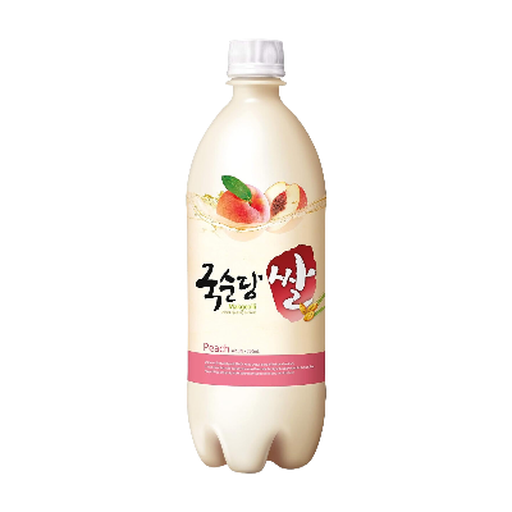
Why this product suits this profile: The 750 ml bottle has a lower alcohol content of 3% vol. and a fruity peach flavour. It’s a straightforward introduction to Korean makgeolli for anyone keen to try it.
The stated alcohol content makes it clear that its fruity flavour should not be mistaken for a stronger sake. The product information lists the ingredients and gluten warning.
3% vol., 750 ml, peach flavour and a recommendation to serve chilled.
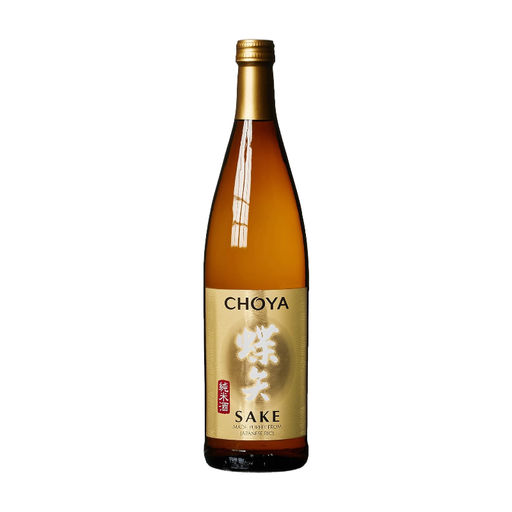
Why this product suits this profile: Made simply with rice, koji and water, this sake is a classic Japanese option for adults looking to enjoy it with sushi, tempura or other Japanese dishes.
The ingredients list sets it apart from flavoured or salted cooking wines. Its alcohol content of 14.5% vol. is clearly stated.
750 ml, 14.5% vol. and three clearly listed ingredients: rice, koji and water.
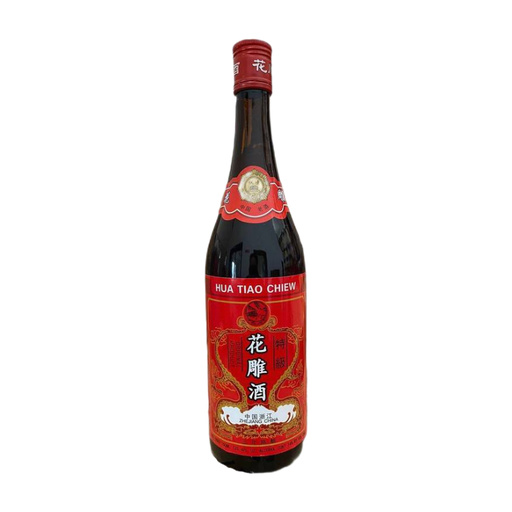
Why this product suits this profile: According to the product description, this Chinese rice wine can be served chilled or gently warmed, and can also be used in cooking. This makes it a good fit for households that regularly prepare Chinese dishes.
The product information lists the ingredients, allergens, alcohol content of 15% vol. or above, and suitability for drinking as well as cooking. This helps you decide how to use it before buying.
750 ml, Chinese origin, and flexible serving and cooking options.
We’ve put together a complete, regularly updated list of products that meet these strict selection criteria and the safety regulations in force in the EU.
It depends on the variety. Makgeolli, nigori sake and many sweet fermented rice wines should be chilled after opening and consumed soon afterwards. For unopened bottles, follow the instructions on the label. Keep them away from direct sunlight and excessive heat.
No. Drinking sake, makgeolli and matured Shaoxing wine can sometimes be used in recipes, but they are not automatically cooking wines. Cooking sake often contains salt or other seasonings. So, check the stated intended use before using it in marinades, sauces or soups.
Sweet rice wine made from glutinous rice often contains rice grains or sediment and may have a low alcohol content. Sake is usually filtered more thoroughly and often has a higher alcohol content. Flavour, texture, ingredients and serving temperature can vary considerably from product to product.