
Lieferung heute & morgen

Qualitätsgarantie

Willkommens-Angebote freischalten: KOSTENLOSE Lieferung | Bis zu 80 % RABATT | Kostenlose 30-Tage-JoyPlus-Testphase
App herunterladen
Anyone looking to buy Asian sauces and spices online will find a wide selection from China, Japan, Korea, Thailand and Vietnam. The differences are not limited to flavour: salt content, sweetness, allergens, pack size and intended use also vary. For home cooks, food-service businesses and fans of Asian cuisine, it is therefore worth checking key product details before buying.
Light soy sauce is generally used for seasoning, marinating, dipping and stir-fry dishes. Dark soy sauce, by contrast, is often chosen to add a deeper colour and a sweeter, more intense flavour. Sweet Soy Sauce contains significantly more sugar and is better suited to glazes, marinades and certain Southeast Asian dishes.
The term “light” can also be misleading. With Light Soy Sauce, it generally refers to the colour or style rather than automatically indicating reduced salt content. The ingredients list and nutrition table should therefore be the deciding factors.
The heat level of chili sauce and Korean sauces is not labelled consistently. Despite containing chili, a sweet Vietnamese chili sauce can create a very different impression of heat from a fermented Korean paste or a Chinese chili bean sauce. Ingredients such as sugar, garlic, vinegar and oil also influence the overall flavour profile.
Anyone sensitive to spicy foods should start with a small amount and adjust the sauce after cooking or directly at the table.
Pack sizes such as 700 ml, 970 g or 1.75 l can be practical for families, meal preparation or professional kitchens. However, if a sauce is only used occasionally, it may remain in the refrigerator for a long time after opening. Before buying, compare your expected consumption with the shelf life and storage instructions.
Storage recommendations after opening are particularly important for products containing fish, oysters, garlic or fresh spice ingredients. The information on the individual label is always authoritative.
Many Asian seasoning sauces contain soybeans and wheat. This applies to classic soy sauce, some teriyaki sauces, ssamjang and oyster sauces. Other possible allergens include fish, crustaceans, eggs, celery, mustard, sesame and sulphites.
When buying in Germany, check the legally required allergen information on the packaging. Recipes can also change over time. The product description in an online shop is a useful guide, but it does not replace the current wording on the packaging.
Soy sauce and oyster sauce are often high in salt. For the products listed, the values are, for example, 776 mg of sodium per 100 ml for Lee Kum Kee Premium Light Soy Sauce, 11 g of salt per 100 g for Healthy Boy Seasoning Sauce and 9.1 g of salt per 100 g for Lee Kum Kee Panda Oyster Sauce.
Chili sauces can also contain considerable amounts of sugar. According to the product information, CHINSU Chili Sauce contains 19 g of sugar per 100 g. These figures are not a measure of quality, but they are helpful when planning recipes. If you combine several seasonings, add any further salt or sugar sparingly at first.
Liquid soy sauces, oyster sauces and general seasoning sauces are well suited to quick stir-fries. Ssamjang is used as a Korean seasoning paste, dip or marinade. Tom Yum Paste is intended for Thai soups, marinades and stir-fried dishes. For Japanese broths, dashi powder is a convenient alternative to making stock from scratch.
Larger packs can be worthwhile if you cook regularly. For occasional use, 200 to 300 ml bottles or smaller portions of paste are easier to finish.
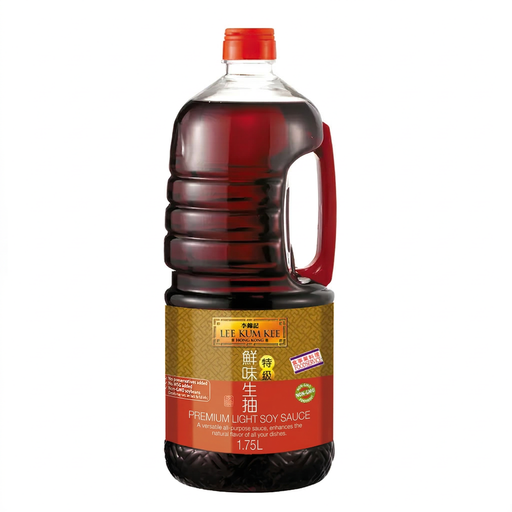
Why this product is a good fit: The generous 1.75-litre bottle is ideal for households and kitchens that regularly marinate, stir-fry or prepare dipping sauces.
The ingredients and nutrition information make clear that this is not a reduced-sugar or low-salt variety. The quantity should match your actual consumption.
Suitable for cooking, marinating, stir-fries and dipping; according to the product information, contains soybeans and wheat.
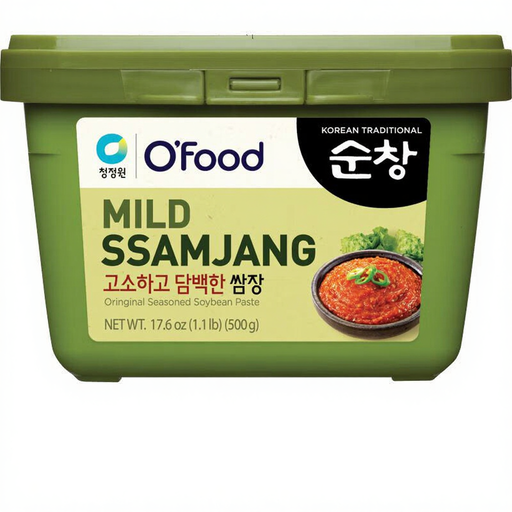
Why this product is a good fit: This Korean paste is designed for lettuce wraps with grilled meat, as a dip and for marinades.
The term “mild” indicates a flavour profile, not a standardised measure of heat. Wheat, soy and peanut information should also be checked.
500 g pack; according to the product description, seasoned with soybean paste, garlic, onion and red pepper.

Why this product is a good fit: The 300 ml bottle is suitable for Thai curries, vegetable stir-fries, marinades and glazes without requiring an oversized container.
The declared oyster extract and allergen information are clearly indicated. The product is therefore unsuitable for vegan recipes or anyone with an oyster allergy.
25% oyster extract according to the product information; suitable for seasoning, marinating, stir-frying and as a base for sauces.
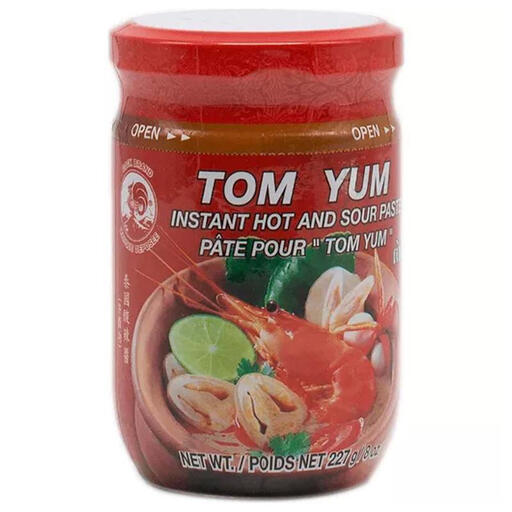
Why this product is a good fit: The paste is intended for Tom Yum soups, stir-fried dishes and marinades, and can be portioned as needed.
The paste does not automatically replace every individual ingredient in a traditional soup. Its salt content and heat should be taken into account when adjusting the seasoning.
227 g pack; according to the ingredients list, contains lemongrass, lemon juice, spring onions and cayenne pepper, among other ingredients.
For Japanese dishes, SHIMAYA Dashi No Moto provides Japanese soup stock in convenient individual portions. According to the product information, it contains fish and should therefore not be confused with vegan dashi products.
Those preparing Chinese dishes can opt for Xiaoyeqingzhu Lazy Seasoning for Braised Sauce. The 50 g pack is intended for braised dishes, chicken wings and noodle soup, and contains soy sauce, rice vinegar, Sichuan pepper and star anise, among other ingredients.
As umami seasonings, options include LEE KUM KEE Special Mushroom Powder and AJINOMOTO Monosodium Glutamate. According to the declaration, the mushroom powder contains 45% mushroom powder. AJINOMOTO consists of monosodium glutamate, according to the product information. Both products should be used sparingly and in line with your recipe.
For a range of sauce profiles, you can also choose from Sempio Soy Sauce Jin S, Healthy Boy Thin Soy Sauce, Healthy Boy Black Soy Sauce, Healthy Boy Sweet Soy Sauce, CHINSU Chili Sauce and Tan Tan Xiang Chao Tian Chili Sauce. Before buying, compare the country of origin, size, ingredients, allergens and storage requirements.
We have put together a current selection of products that can be compared for shopping in Germany using clear criteria such as ingredients, intended use, pack size and labelling.
A light soy sauce such as Lee Kum Kee Premium Light Soy Sauce or Healthy Boy Thin Soy Sauce is generally well suited to seasoning and marinating. Dark or sweet soy sauces can be used to add colour and a sweeter note. The recipe and the desired salt or sugar content are the deciding factors.
This depends on the type of product, packaging and the manufacturer’s instructions. Many sauces should be refrigerated and kept tightly sealed after opening. Pastes and sauces containing oil, fish or oysters have different storage recommendations. The best-before date and instructions on the packaging are authoritative.
For a versatile pantry, consider light soy sauce, oyster sauce or a plant-based alternative, chili sauce, ssamjang, dashi powder and an umami seasoning. If you cook Thai food frequently, add Tom Yum Paste. For Chinese dishes, dark soy sauce, rice vinegar and spice blends containing Sichuan pepper can also be useful.