
Lieferung heute & morgen

Qualitätsgarantie

Willkommens-Angebote freischalten: KOSTENLOSE Lieferung | Bis zu 80 % RABATT | Kostenlose 30-Tage-JoyPlus-Testphase
App herunterladen
By the Joybuy Product Recommendation Officer, August 29, 2026
Finding authentic Asian sausage in Western markets can often be a complicated affair. Anyone hoping to recreate the authentic taste of home or a recent vacation often faces shelves of products that overpromise and underdeliver. Before you have a disappointing experience, it's helpful to know the common pitfalls that await you when choosing.
Many consumers reach for sausages labeled "Asian-style," only to discover during cooking that they are just ordinary bratwursts with a hint of soy sauce. Another problem is the vague description of the flavor profile. A sausage labeled "spicy" might have a mild peppery note, or it could deliver the intense, numbing heat of a true spicy Szechuan sausage. This ambiguity leads not only to culinary disappointment but also to wasted money.
This guide will help you overcome these hurdles. We'll show you which objective characteristics to look for to buy the right Asian sausage online—one that perfectly suits your dish and your palate.
To make an informed decision, you shouldn't be swayed by marketing promises but rather focus on verifiable product characteristics. Three parameters are of central importance here.
The production method is the primary determinant of texture, flavor, and cooking method. Asian sausages can be broadly divided into three categories:
The diversity of flavors is immense and is best categorized by regional origin:
The majority of Asian sausages are based on pork. The fat content is a crucial factor for juiciness, especially in fresh sausages for grilling. A balanced ratio of lean meat to fat ensures the sausage doesn't dry out on the grill. However, there are also varieties made from beef (like the Turkish-inspired Sucuk, which is also popular in parts of Asia) or chicken, which often represent a leaner alternative. Pay attention to the ingredients list to understand the meat base and relative fat content.
Here are a few recommendations based on the objective criteria above, suitable for specific culinary goals.
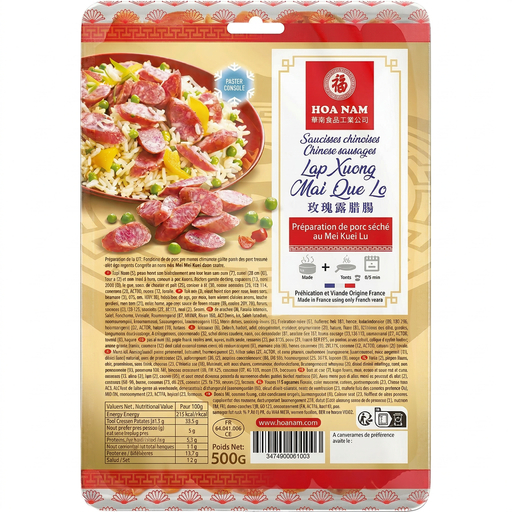
Why This Fits Their Persona: Ideal for those seeking the classic flavor of Lap Cheong for traditional dishes like clay pot rice (Bao Zai Fan) or fried rice. The sweet-and-savory profile is characteristic of Cantonese cuisine.
This is an authentic, air-dried Chinese sausage, not a bratwurst imitation. The preparation method (steaming, slicing for stir-fries) and flavor profile are clearly defined and meet the expectations for Lap Cheong.
Long shelf life due to drying; versatile in stir-fries, with rice, or as an ingredient for dim sum.
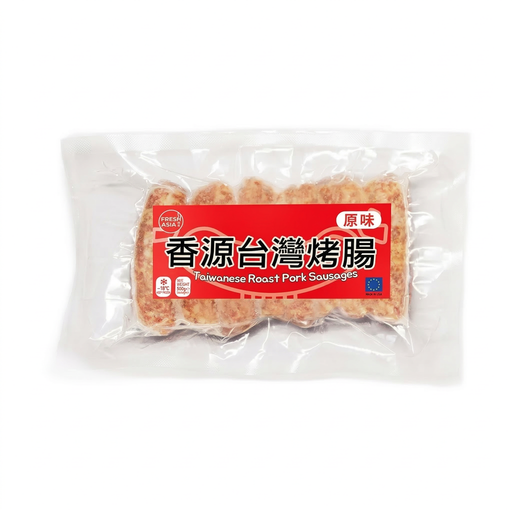
Why This Fits Their Persona: Perfect for anyone looking for a juicy, flavorful sausage for the grill or pan. The high meat content and balanced sweet-and-savory profile make it an excellent alternative to conventional bratwurst.
This product is clearly declared as a Taiwanese sausage intended for grilling/frying. The description highlights the high pork content of 88%, which indicates a firm, meaty texture and sets it apart from lower-quality products.
High meat content for a satisfying texture; easy to prepare in a pan or air fryer.
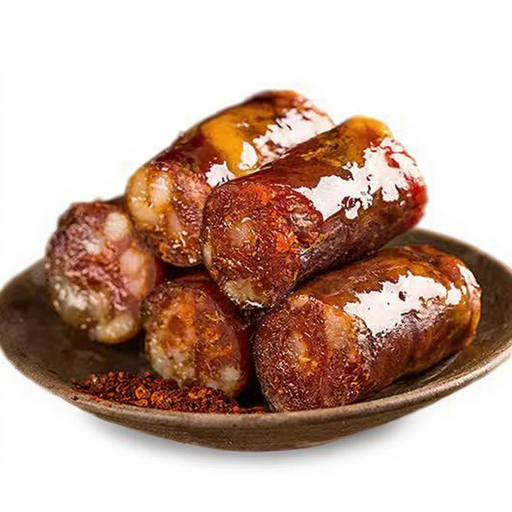
Why This Fits Their Persona: For adventurers seeking the authentic, complex "Málà" flavor of Szechuan peppercorns and chili. This sausage offers an intense heat that goes far beyond what is commonly found in European retail.
The product description explicitly names Szechuan peppercorns and chili as ingredients and promises a "spicy and numbing taste." This avoids the disappointment of getting a merely mild "spicy" sausage.
Authentic Szechuan flavor profile; air-dried for a firm texture and intense flavors; versatile as a snack, in stir-fries, or steamed.
We've compiled a complete, up-to-date list of products that fully meet these strict selection criteria and local food regulations.
The preparation method depends entirely on the type of sausage. Air-dried sausages like Lap Cheong should not be eaten raw. Steam them for 10–15 minutes (e.g., on top of rice in a rice cooker) or slice them thinly and pan-fry in a wok until the fat renders and the edges are slightly crispy. Fresh sausages like the Taiwanese variety must be cooked through completely. Pan-fry them over medium heat for 8–12 minutes or grill them until golden brown and cooked through. Cooked sausages like Giò L?a are already cooked and can be sliced and eaten cold or briefly warmed in soups or stir-fries.
Here, too, there are significant differences. Air-dried sausages have a very long shelf life due to the preservation process. Unopened, they can often be stored for several months in a cool, dry place. Once opened, they should be kept in the refrigerator and consumed within a few weeks. Fresh or frozen sausages must be kept continuously refrigerated or stored at -18°C. Once thawed, they should not be refrozen and should be consumed within 48 hours. Always follow the storage instructions on the packaging.
Authentic Asian sausage varieties are often hard to find in standard brick-and-mortar retailers. Specialized online Asian grocery stores offer the largest selection and the most detailed product information. Platforms like Joybuy carry a wide range, from Lap Cheong to Taiwanese sausage to spicy Szechuan sausage, allowing you to compare products based on their exact ingredients and origin to make the right choice for your next dish.