
Same-day & Next-day Delivery

Quality Guaranteed

Unlock Your Welcome Offers: FREE Delivery | Up to 80% OFF | Free 30-day JoyPlus trial
Download the APP
Finding authentic Asian food online can be a challenge. Vague product descriptions and a bewildering array of options, especially for Asian sausages, can often lead to disappointment. Choosing the wrong product can alter the entire flavour profile of your dish. This guide will help you identify the key characteristics to find the perfect sausage for your culinary needs.
A common issue is the gap between expectation and reality. You order a sausage for a traditional recipe, only to receive a product with the wrong flavour or texture. Two common pitfalls include:
To ensure you make the right choice, you should check three core aspects. These will help you objectively evaluate product features and avoid mistakes when ordering Asian food online.
The variety is vast, and each type has a specific culinary use. Understanding the fundamental types is crucial.
Not every sausage is suitable for every meal. The product description should provide clear instructions for preparation.
A look at the ingredient list is essential to assess the quality and flavour.
Here are some recommendations tailored to different needs and flavour profiles.
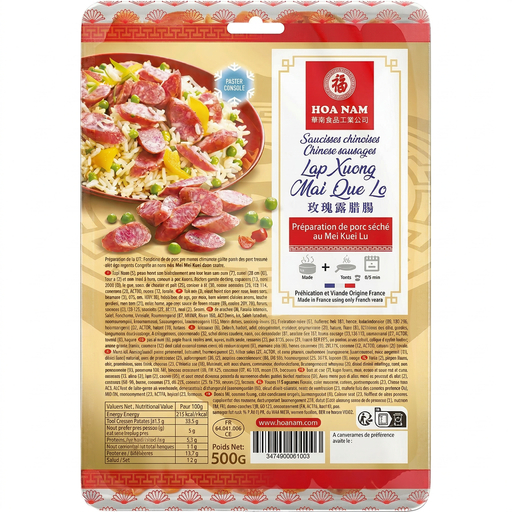
Why This Fits Their Persona: Ideal for chefs looking to prepare traditional Chinese dishes like clay pot rice (Bao Zai Fan) or sticky rice (Lo Mai Gai). This sausage delivers the essential sweet-and-savoury flavour.
This is a classic Lap Cheong. The product name is unambiguous, and the ingredient list, including soy sauce and rose wine, confirms its authentic flavour profile, rather than being vaguely "Asian-style."
Air-dried for a long shelf life; imparts a deep, complex aroma to dishes when steamed or pan-fried.
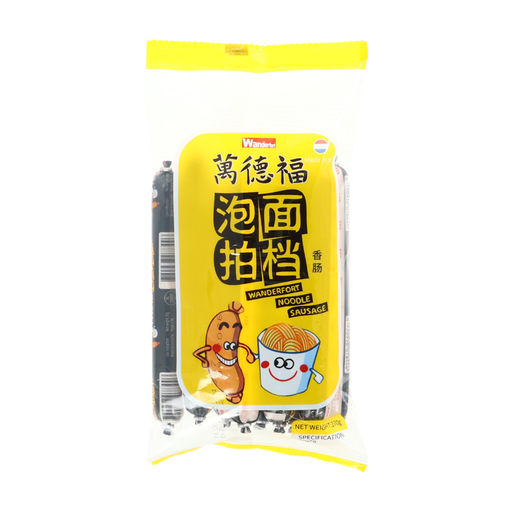
Why This Fits Their Persona: Perfect for students, professionals, or anyone looking to upgrade a quick meal. These sausages are specifically designed as a protein-rich addition to instant noodles.
The name "Instant Noodles Partner" clearly defines its intended use. It's a ready-to-eat product that requires no complex preparation, thus setting clear expectations.
Ready to eat straight from the package; quickly adds flavour and protein to simple meals.
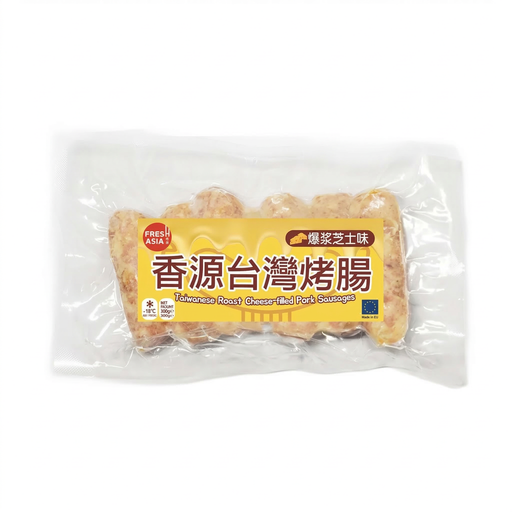
Why This Fits Their Persona: For food enthusiasts who love trying new and interesting flavour combinations. The fusion of sweet Taiwanese sausage with creamy cheese offers a unique experience.
The description as a Taiwanese-style cheese sausage is very specific. It promises a fusion product, not a purely traditional sausage, which correctly manages buyer expectations.
Combines the juiciness and sweetness of a Taiwanese sausage with a savoury, melting cheese core; easy to prepare in a pan or air fryer.
We have compiled a complete, up-to-date list of products that fully meet these strict selection criteria.
1. How do I store Asian sausage correctly? Storage depends on the type of sausage. Air-dried sausages like Lap Cheong should be kept in a cool, dry place and refrigerated after opening. Fresh or pre-cooked sausages, especially those in vacuum packs, belong in the refrigerator and should be consumed quickly after opening. Frozen products must be stored at -18 °C or colder and should not be refrozen after thawing. Always follow the storage instructions on the packaging.
2. How can I tell the difference between Chinese Lap Cheong and Taiwanese sausage? The main difference is in texture and taste. Chinese sausage (Lap Cheong) is hard, dry, and wrinkled in appearance with a deep, sweet-and-savoury flavour. Taiwanese sausage is plump, smooth, and juicy, with a softer texture and a distinctly sweeter taste. It is sold fresh and must be cooked, whereas Lap Cheong is already preserved through drying.
3. Can you grill Asian sausages? Yes, many varieties are excellent for grilling. Taiwanese sausages, in particular, develop a delicious caramelised crust when grilled. Japanese Arabiki sausages also become especially snappy on the grill. Grilling is less common for dried varieties like Lap Cheong; they are typically steamed or sliced and pan-fried to soften them.