
Same-day & Next-day Delivery

Quality Guaranteed

Unlock Your Welcome Offers: FREE Delivery | Up to 80% OFF | Free 30-day JoyPlus trial
Download the APP
The diverse world of Asian sausage specialities is increasingly finding its way into Western kitchens. However, anyone looking to buy authentic Asian sausages often faces a confusing array of choices. Vague product descriptions and a lack of information frequently lead to a disappointing culinary experience. This guide will help you avoid the common pitfalls and find the perfect sausage for your needs—whether for the grill, a hot pot, or a traditional dish.
Before you make a decision, it's helpful to understand two common problems that often lead to disappointment:
To ensure you get the right product for your dish, you should check three central aspects: the country of origin, the flavour profile, and the recommended preparation method.
The country or region of origin provides crucial clues about taste and texture. The differences are significant:
A look at the ingredients list reveals a lot about the expected flavour.
The ideal cooking method is crucial for success. Check the packaging for recommendations on:
Here are a few recommendations tailored to different preferences and uses.
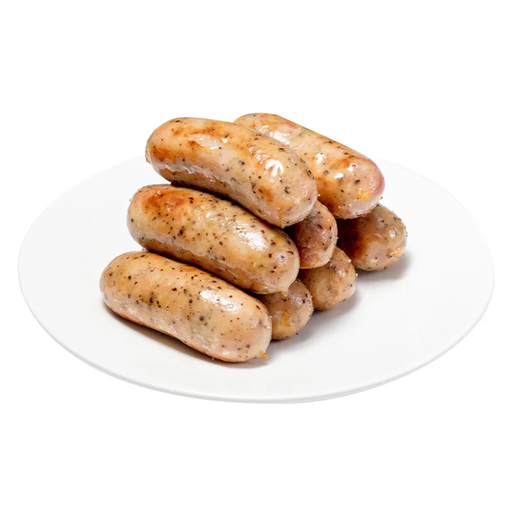
Why It Fits Their Persona: This sausage captures the classic sweet and savoury flavour known from Taiwanese night markets. The addition of black pepper gives it a pleasant, aromatic heat that isn't overpowering.
The product is clearly labelled as "Taiwanese-style" and uses typical ingredients like soy sauce and cooking wine. It avoids the trap of a generic "Asian" seasoning.
Authentic flavour profile; versatile enough for grilling and pan-frying.
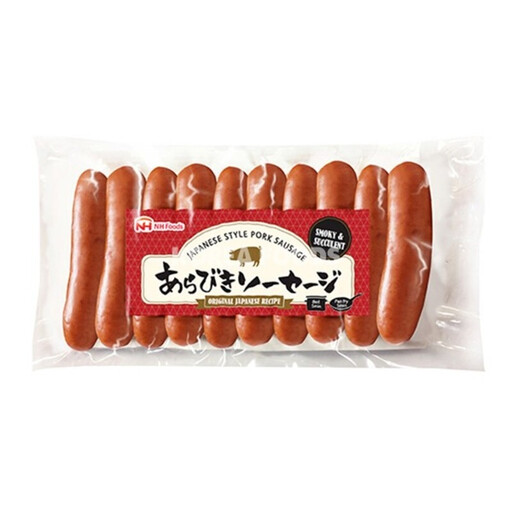
Why It Fits Their Persona: Ideal for anyone seeking the juicy, snappy bite of a genuine Japanese sausage. Perfect for a Japanese breakfast, as a side for ramen, or in a bento box.
The "Arabiki" name directly refers to the Japanese production method (coarse grinding), which guarantees a specific texture and clearly distinguishes it from other Asian sausages.
Extremely juicy texture and a characteristic "snap" when you bite into it; quick to prepare in a pan or hot water.
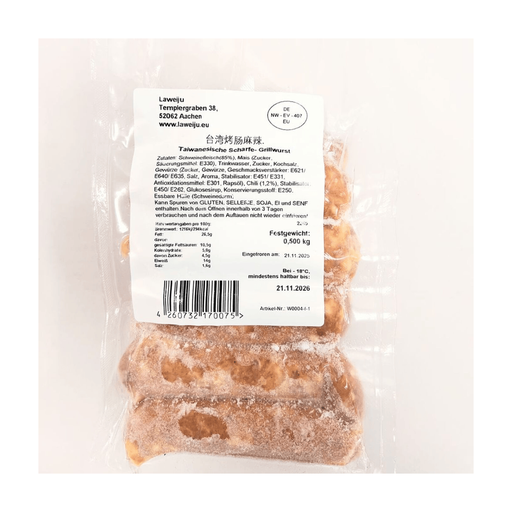
Why It Fits Their Persona: For those who want a sausage with a distinct yet balanced heat. This grilling sausage combines the juicy texture of a Taiwanese sausage with a spicy seasoning blend reminiscent of Sichuan flavours.
Instead of just being labelled "spicy," this sausage offers a complex seasoning that balances heat with the underlying sweet and savoury base. It's designed as a grilling sausage, preventing improper preparation.
Balanced heat; natural casing provides a satisfying snap when grilled or fried.
We've compiled a complete, up-to-date list of products that fully meet these strict selection criteria and rigorous food safety standards.
Most of the sausages featured here are frozen products. They should be kept frozen at -18°C (-0.4°F). After opening the package and thawing, the sausages should be stored in the refrigerator and consumed within 48 hours. Refreezing is not recommended. Air-dried sausages like Lap Cheong can be stored in a cool, dry place before opening.
No. Fresh, juicy varieties like Taiwanese sausage or Japanese Arabiki sausages are ideal for grilling or pan-frying. Hard, air-dried sausages (e.g., Chinese Lap Cheong) must be steamed or cooked, as they would otherwise become too dry and tough. Cooked sausage pastes like Vietnamese sausage (Giò L?a) are already fully cooked and are usually eaten cold.
The main difference lies in their production and preparation. Taiwanese sausage is a fresh sausage that must be cooked, grilled, or fried. It is juicy, plump, and has a sweet flavour profile. Lap Cheong is an air-dried, cured sausage. It is hard, thinner, and has a concentrated, intensely sweet and savoury flavour. It is used as a flavouring ingredient in dishes and is steamed before use to soften it.