
Lieferung heute & morgen

Qualitätsgarantie

Willkommens-Angebote freischalten: KOSTENLOSE Lieferung | Bis zu 80 % RABATT | Kostenlose 30-Tage-JoyPlus-Testphase
App herunterladen
The world of Asian seasoning pastes is a universe of flavour—from the deep, fermented heat of a Korean gochujang paste to the fragrant complexity of a Thai curry paste. But the growing selection on store shelves can quickly become overwhelming. Anyone looking to buy chili paste often faces the challenge of distinguishing true quality from cleverly marketed products. This guide will help you navigate the common pitfalls and find the right paste for your culinary projects.
Before you decide on a product, you should be aware of the common issues that often lead to disappointment in the kitchen.
hot sauce might be mild to one person, while another brand's "medium" product could be unexpectedly fiery. This often leads to an unbalanced result in your dish.To ensure you get a high-quality product that meets your expectations, you should check three essential aspects.
The order of ingredients is crucial. For a high-quality chili paste, chili (or peppers) should be the first ingredient, not water or oil. In a Korean gochujang paste, fermented soybeans and chili powder are central components. The country of origin can also be an indicator of traditional production methods. A Thai curry paste from Thailand is more likely to contain authentic ingredients like fresh galangal and kaffir lime leaves.
Not every paste is suitable for every purpose. They can be roughly divided into three categories:
cooking paste for curries, which is combined with coconut milk to create a sauce.Sambal Oelek or a crispy chili oil like Lao Gan Ma Chili Crisp fall into this category.Miso Paste or Gochujang contribute a deep, complex umami note through fermentation. They serve as both a cooking ingredient (e.g., in soups and marinades) and as a base for dips like Ssamjang.The texture affects the mouthfeel and how the paste is used. A fine, smooth paste dissolves well in liquids and is ideal for soups and sauces. A chunky paste with visible ingredients like chopped garlic, shallots, or crispy elements offers a more interesting textural experience and is excellent as a topping.
Here are some recommendations from the Asian condiments shop, tailored to specific user profiles and taking the quality criteria mentioned above into account.
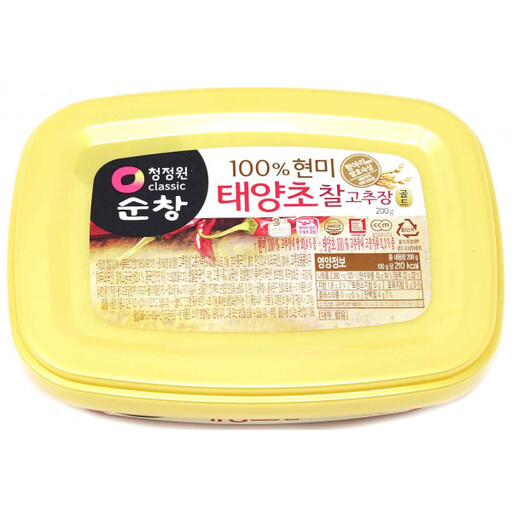
Why This Fits Their Persona: Perfect for anyone looking to prepare Korean classics like bibimbap, tteokbokki, or spicy marinades. The 200g package is the ideal size for trying out Korean cooking without committing to a large quantity.
This paste delivers an authentic, fermented flavour with a balanced sweetness, thus avoiding the trap of overly sweetened, Westernised products. The ingredient list reflects a traditional base.
A versatile, complex paste with a pleasant heat that serves as a foundation for a wide variety of Korean recipes. Its consistency is ideal for mixing and marinating.

Why This Fits Their Persona: Ideal as a topping for noodles, rice, eggs, or dumplings. This condiment oil instantly adds a crunchy, savoury, and complex flavour dimension to any simple dish.
This isn't just a chili paste, but a condiment oil with crispy inclusions. It delivers texture and umami, not just heat, thereby avoiding the disappointment of a one-dimensional 'hot sauce'.
A unique combination of heat, umami, and crunchy texture from chilis, fermented soybeans, and peanuts. Extremely versatile as a finishing condiment.
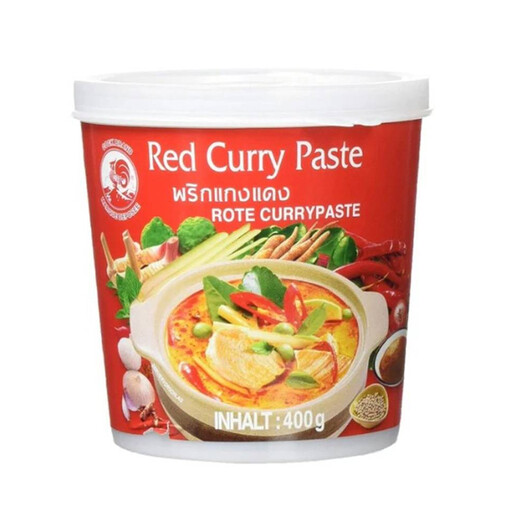
Why This Fits Their Persona: A solid and reliable base for anyone who wants to regularly prepare an aromatic red Thai curry without much fuss. The 400g package is economical and suitable for multiple meals.
The ingredient list, with dried red chilis (28%) listed first, followed by lemongrass, galangal, and other spices, signals a traditional recipe instead of pastes that rely on fillers.
A concentrated cooking paste for curries that delivers authentic depth of flavour with the characteristic notes of lemongrass and galangal. Free from added flavour enhancers.
We have compiled a complete, up-to-date list of products that meet these strict selection criteria and quality standards.
1. How do I properly store opened Asian seasoning pastes? Most seasoning pastes, especially fermented ones like miso or gochujang, should be stored tightly sealed in the refrigerator after opening. This slows down the oxidation process and preserves the flavour. For oil-based pastes like chili crisp, it's helpful to ensure the solid components are covered with oil. Always follow the manufacturer's instructions on the packaging, especially regarding shelf life after opening.
2. What is the difference between Gochujang and Ssamjang? Gochujang is a fundamental, fermented Korean chili paste made primarily from chili powder, glutinous rice, fermented soybeans, and salt. It is spicy, slightly sweet, and has a deep umami note. Ssamjang, on the other hand, is a mixed paste that serves as a dip. It is based on gochujang and doenjang (fermented soybean paste) and is further enhanced with ingredients like garlic, onions, and sesame oil. It is less spicy and more complex in flavour, making it ideal for Korean wraps (ssam).
3. Can I use miso paste in non-Japanese dishes? Yes, absolutely. Although Miso Paste is the foundation of the classic Japanese miso soup, it is an extremely versatile seasoning. Its rich, salty umami flavour can enhance the depth of stews, braises, sauces, and even salad dressings in a wide variety of cuisines. For example, a small spoonful can add remarkable complexity to a tomato sauce or a vegetable broth.