
Lieferung heute & morgen

Qualitätsgarantie

Willkommens-Angebote freischalten: KOSTENLOSE Lieferung | Bis zu 80 % RABATT | Kostenlose 30-Tage-JoyPlus-Testphase
App herunterladen
For anyone wanting to prepare authentic Asian dishes at home, they are an essential ingredient: Asian seasoning pastes. However, the sheer variety on the shelf can be overwhelming. The wrong choice often leads to disappointing culinary results that have little in common with the original recipe. This guide will help you avoid the most common pitfalls and find the specific paste that will perfectly elevate your dish.
Navigating the world of fermented bean and chilli pastes isn't always straightforward. Many home cooks grab the wrong paste because they fall for two common misconceptions.
Chunjang) for noodle dishes. The assumption that one paste is suitable for all "Asian cuisine" ignores the specific culinary traditions for which it was developed.To ensure you find the right seasoning paste for your recipe, you should check three core characteristics. This information is usually found on the label or in the product description.
The type of bean is the most important factor determining the fundamental taste.
soybean paste, have a deep, salty, and umami-rich flavour. They are the foundation for many Northern Chinese and Korean dishes. They come in various consistencies, from smooth to chunky.Doubanjiang from Pixian, is particularly famous. It is made from fermented broad beans and chillies and is the heart of many Sichuan dishes like Mapo Tofu. Its flavour is complex, salty, and often very spicy.Asian seasoning pastes can be roughly divided into three flavour categories:
spicy bean paste category is dominated by Doubanjiang. It brings a robust heat and salty depth that is fully released when fried in oil. It is the ideal sauce for Mapo Tofu.sweet bean sauce) or Hoisin Sauce fall into this category. They are often based on fermented wheat flour or soybeans with added sugar. They are essential for dishes like Peking duck or as a glaze for grilled meats.Chunjang). Their flavour is primarily savoury and serves as a base seasoning to give dishes a complex depth without sweetness or heat being overpowering.Check whether the paste is ready-to-use or requires preparation.
Instead of making a general recommendation, we have selected products for clearly defined culinary goals.

Why This Fits Their Persona: Ideal for cooks aiming to achieve the authentic, spicy-salty flavour of dishes like Mapo Tofu or hot pot. This is the quintessential Sichuan-style seasoning paste.
This is a specific Doubanjiang made from broad beans and chilli, not a generic soybean paste. It delivers the exact flavour profile expected for Sichuan recipes.
Made using traditional fermentation techniques, which ensures exceptional depth of flavour. The base ingredients are red chillies and broad beans.
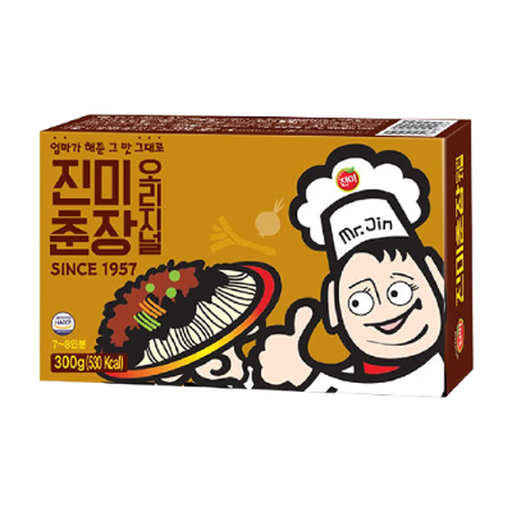
Why This Fits Their Persona: Specifically for preparing Jajangmyeon (noodles with black bean sauce), a classic of Korean-Chinese cuisine.
This is an authentic Korean black bean paste (Chunjang), which should not be confused with Chinese sweet bean sauce. It has a unique, deep-savoury, and slightly sweet aroma.
The paste must be fried in oil to develop its full depth of flavour. It is the indispensable base for an authentic Jajang sauce.
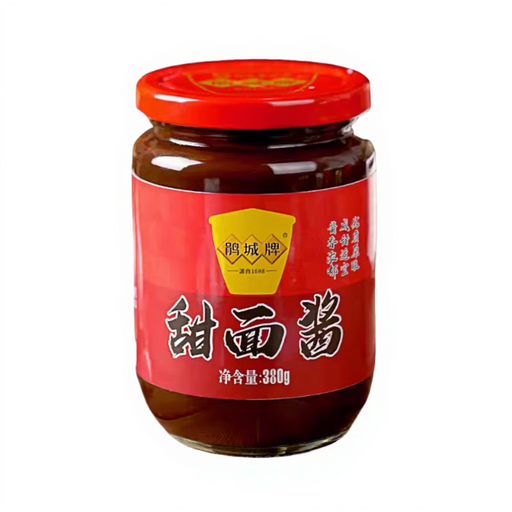
Why This Fits Their Persona: Indispensable for anyone making Peking duck with pancakes, Beijing-style Zha Jiang Mian, or other dishes that require a sweet and savoury seasoning.
This is a classic Tianmianjiang (sweet bean sauce), which is clearly distinct from spicy or purely salty pastes. It provides the necessary sweetness and depth without being spicy.
Based on fermented wheat flour, giving it a velvety texture and a balanced sweet-salty umami profile. Versatile as a dip, glaze, or sauce base.
The world of Asian seasoning pastes is vast. If you're looking for other specialised sauces, such as for braised dishes, you'll find a suitable selection here.
Most fermented seasoning pastes have a very long shelf life due to their high salt content. Once opened, they should be stored tightly sealed in the refrigerator. Under these conditions, they often last for several months to over a year. Always check the manufacturer's instructions on the packaging and use clean utensils to avoid contamination.
Yes, for optimal results, it is recommended to fry Doubanjiang in oil over low to medium heat until the oil turns reddish and the paste becomes intensely fragrant. This process, known in Chinese as "chao chu hong you" (frying out the red oil), releases the aromas and is a crucial step for the authenticity of many Sichuan dishes.
Although both are considered a sweet bean sauce and are used similarly, there are differences. Tianmianjiang is traditionally based on fermented wheat flour and has a rich, sweet-salty flavour. Hoisin Sauce is usually based on soybeans and often contains additional ingredients like garlic, vinegar, and spices, giving it a more complex, spicier profile. For classic Beijing dishes, Tianmianjiang is usually preferred.