
Lieferung heute & morgen

Qualitätsgarantie

Willkommens-Angebote freischalten: KOSTENLOSE Lieferung | Bis zu 80 % RABATT | Kostenlose 30-Tage-JoyPlus-Testphase
App herunterladen
Anyone who appreciates the diversity of Asian cuisine knows it's often the small side dishes that elevate a meal from good to unforgettable. A simple bowl of rice or noodles can be transformed into a complete meal with the right savoury accompaniment. However, the market for Asian side dishes is vast and confusing. Many products that promise authenticity turn out to be a disappointment. This guide will help you avoid the common pitfalls and find products that truly deliver on their promise.
The search for the perfect spicy jarred vegetables or an authentic seasoning sauce can be frustrating. Two common problems often lead to purchase regret:
To ensure you get a product that meets your expectations, you should check two key aspects. These will help you correctly assess a product's quality and intended use.
The term "Asian" is an umbrella term for dozens of different culinary traditions. Look for more specific details to better understand the flavour profile:
A clear indication of regional origin is often a better indicator of an authentic flavour profile than a generic "Asian" label.
Carefully check the product description and preparation instructions to understand its intended purpose:
Here are a few recommendations tailored to different needs and preferences, all of which meet the quality criteria mentioned above.
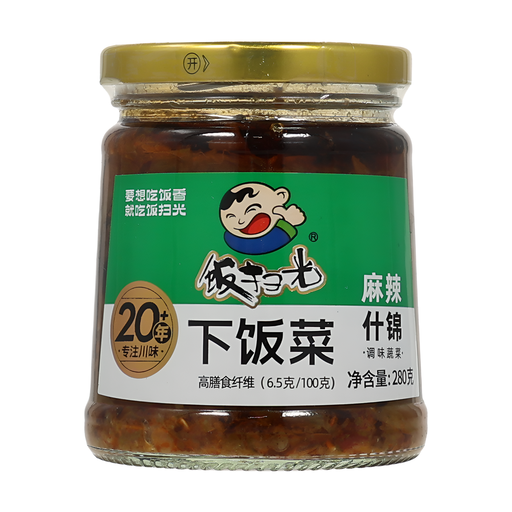
Why This Fits Their Persona: Ideal for those curious to experience the authentic 'mala' flavour of Sichuan. This ready-to-eat, crunchy vegetable mix is spicy and numbing, but not overwhelmingly so. It's an effortless way to elevate a simple bowl of rice or noodles.
Instead of a generic 'spicy' taste, this product delivers the specific, complex mala flavour created by chilli and Sichuan peppercorns. It is clearly designed as a side dish.
Ready to eat straight from the jar; offers a crunchy texture and a balanced, authentic Sichuan flavour.
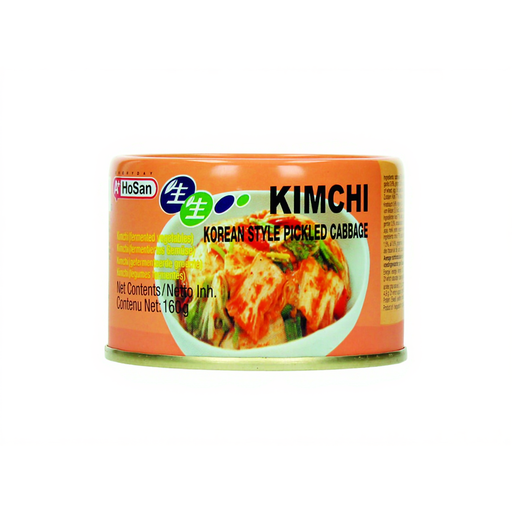
Why This Fits Their Persona: Perfect for anyone specifically seeking the tangy, spicy, and complex flavour of real Korean kimchi. This version is particularly convenient as it doesn't require refrigeration before opening.
This isn't just any 'pickled vegetable'; it's a specific product made through lactic acid fermentation. The flavour is authentically fermented, not just created with vinegar.
Classic kimchi flavour; shelf-stable at room temperature, making it ideal for stocking the pantry.

Why This Fits Their Persona: For those who want to recreate a complete, restaurant-quality Sichuan dish at home. This kit contains all the necessary seasoning components for 'Suan Cai Yu' (Fish with Pickled Mustard Greens), one of the region's most famous dishes.
The product is clearly labelled as a cooking base for a specific dish and comes with instructions. This prevents it from being mistaken for a ready-to-eat side.
A complete seasoning kit for an authentic dish; includes the characteristic pickled mustard greens for that signature tangy and spicy flavour.
We have compiled a complete, real-time list of products that fully satisfy these strict selection criteria and UK safety regulations.
1. How long do opened Asian side dishes last? Most jarred or oil-packed pickled vegetables will last for several weeks in the refrigerator after opening. It is advisable to always use a clean spoon to avoid contamination. Always refer to the storage instructions on the packaging, as shelf life can vary depending on the product (e.g., salt content, oil level, preservatives).
2. What is the difference between kimchi and Chinese pickled vegetables? The main difference lies in the preparation method. Kimchi is a fermented product where lactic acid bacteria create its characteristic sour taste. Chinese pickled vegetables (like Zha Cai) are often preserved in a mixture of salt, chilli, oil, and spices, without necessarily undergoing fermentation. Their flavour is therefore more salty and savoury rather than sour.
3. Are all Sichuan vegetables extremely spicy? Not necessarily. Sichuan cuisine is renowned for its diversity of flavours. While many dishes are hot, the focus is often on the "mala" effect—a combination of spiciness (la) and a numbing sensation (ma) from Sichuan peppercorns. There are also many mild or only slightly spicy side dishes from this region. The product description usually provides information on the heat level.