
Lieferung heute & morgen

Qualitätsgarantie

Willkommens-Angebote freischalten: KOSTENLOSE Lieferung | Bis zu 80 % RABATT | Kostenlose 30-Tage-JoyPlus-Testphase
App herunterladen
The world of Asian snacks is diverse and exciting, but shopping for them online can quickly become overwhelming. As a Joybuy Product Recommendation Officer, I often see consumers misled by clever marketing or unclear product information. This guide is designed to help you navigate the common pitfalls and find authentic flavour experiences that live up to your expectations.
Before you fill your shopping cart, be aware of two common issues that often lead to disappointment:
To ensure you get exactly what you're looking for, you should check two or three core aspects. These will help you objectively assess a product's quality and suitability.
The country of origin often provides the first clue to the authenticity of the flavour profile. A Korean snack that is also manufactured in Korea is more likely to follow a traditional recipe.
However, the ingredient list is the deciding factor. Pay attention to the following points:
Asian snacks offer a huge variety of textures that significantly shape the eating experience. Before you decide, consider what you prefer:
The flavour profile is just as important. Korean snacks often combine sweetness with heat (Gochujang), while Thai snacks aim for a complex balance of sweet, sour, salty, and spicy.
To make your choice easier, we have put together a few products based on different preferences and requirements.

Why This Fits Their Persona: Ideal for beginners looking for an authentic but not overly intense Asian snack. The focus is on a crispy texture and a savoury umami flavour, which is becoming increasingly popular.
This product avoids the 'authenticity' trap as it is a highly popular snack manufactured in Thailand. The flavour is genuine and not toned down for Western markets.
The main ingredient is seaweed (85%), which ensures an intense flavour. Modern production technology preserves its nutrients and crispy texture.

Why This Fits Their Persona: Perfect for anyone specifically looking to buy the viral phenomenon Latiao and experience an authentic, spicy-hot Chinese snack. The chewy texture and intense flavour are unmistakable.
This product is the original from Wei Long, a leading brand for Latiao. It delivers the exact expected heat and flavour, without compromise. The ingredient list is clear and transparent.
The combination of wheat gluten for the chewy texture and a rich, spicy marinade of chili and soy sauce creates a unique snacking experience. The pack is ideal for sharing.
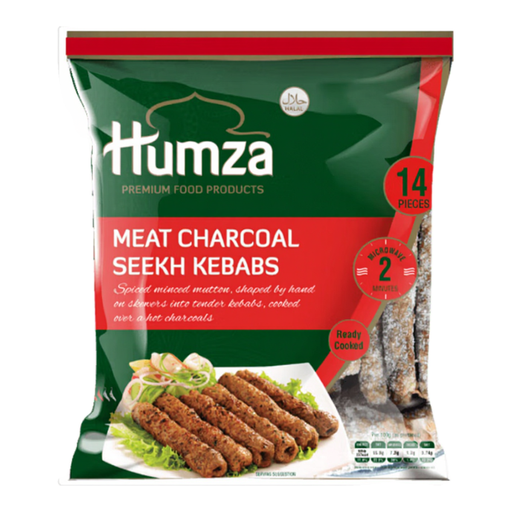
Why This Fits Their Persona: For consumers looking for a hearty, protein-rich meal or snack that meets strict dietary requirements. This product specifically caters to the demand for Halal foods.
This product solves the problem of opaque ingredients with a clear Halal certification and a detailed ingredient list. It's not a generic snack, but a specific product for a conscious diet.
The kebabs are grilled over charcoal, which imparts an authentic smoky flavour. With 18g of protein per 100g and their convenient, pre-cooked form, they are ideal for quick meals.
We have compiled a complete, up-to-date list of products that fully meet these strict selection criteria and local regulations.
The correct storage depends on the type of snack. Crispy products like shrimp crackers or seaweed snacks should be kept in an airtight container after opening to prevent them from absorbing moisture and going soft. Chewy snacks like Latiao or tofu strips should also be sealed tightly and stored in a cool, dry place to preserve their texture. Some products, like KOH-KAE peanuts, can be stored in the refrigerator to enhance their crunchiness.
No, there are significant differences. The heat in Korean snacks often comes from gochujang (chili paste) and has a slightly sweet note. Thai snacks often combine chilies with lime, tamarind, and garlic for a complex, sweet, sour, and spicy profile. Chinese snacks from the Sichuan region are known for their "mala" spice, a combination of chili and Sichuan pepper that leaves a unique, numbing sensation on the tongue.
Authentic Latiao, like those from the Wei Long brand, were once hard to find in many regions. The easiest way to buy them is through a specialised online Asian grocery store. There, you'll find a selection of different flavours and pack sizes imported directly from China, ensuring you get the original product.