
Lieferung heute & morgen

Qualitätsgarantie

Willkommens-Angebote freischalten: KOSTENLOSE Lieferung | Bis zu 80 % RABATT | Kostenlose 30-Tage-JoyPlus-Testphase
App herunterladen
The diverse world of Asian snacks is finding a growing audience in Germany. From sweet pastries to savoury nibbles, the selection is vast. However, those searching for authentic Asian snacks often face a challenge. Many products look promising but turn out to be a disappointment. This guide will help you avoid common purchasing pitfalls and find products that meet your flavour expectations.
The search for the perfect snack can quickly become frustrating when the result doesn't live up to expectations. Here are three typical problems you might encounter during your purchase:
To avoid these pitfalls, it's helpful to check a few key features before you buy Chinese snacks or add other Asian specialities to your cart.
A look at the ingredients list reveals a lot about a snack's authenticity. Look for traditional components like red bean paste, lotus paste, salted egg yolk, taro, or specific spice blends. These ingredients are often an indicator of a genuine taste experience. Asian sweets are frequently characterised by a balanced sweetness, while savoury snacks from Asia often rely on umami notes from soy sauce, fermented beans, or seafood extracts.
Texture is a crucial part of the enjoyment. Pay attention to descriptions that provide information about the consistency:
Packaging plays a vital role in freshness and convenience. Individually wrapped portions, as often found with Jin Zai Snacks or products from Hsu Fu Chi, are ideal for preserving freshness and making the snacks convenient for on-the-go. Large packs, on the other hand, are great for families or parties but should be stored in an airtight container after opening.
Here are some recommendations tailored to different preferences, taking the criteria above into account.
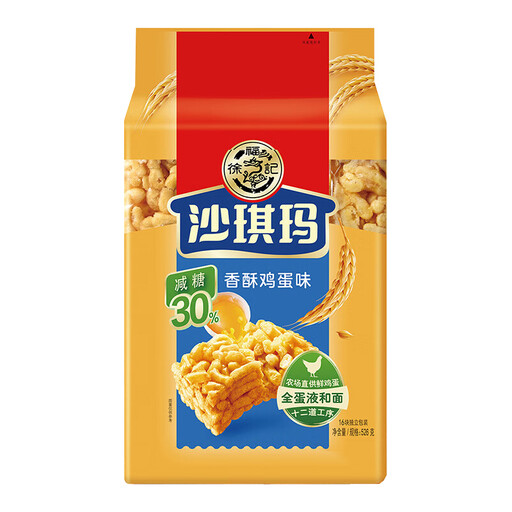
Why This Fits Their Persona: Ideal for anyone who loves the authentic taste of Sachima but prefers a less sweet version. This pastry offers the classic soft-chewy texture and a rich egg flavour.
The reduced-sugar formula counteracts the "sugar bomb" trap while still delivering traditional flavour. The texture is clearly defined as chewy, not crispy.
Contains 30% less sugar. The large pack is great for sharing with family and friends.
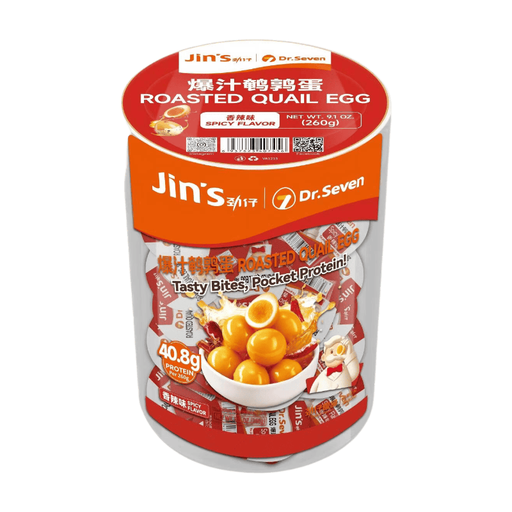
Why This Fits Their Persona: A protein-rich, ready-to-eat quail egg snack for those who appreciate spicy and complex flavours. Perfect as a filling snack between meals or as a side for rice dishes.
The product description clearly states the spicy-hot flavour profile and juicy texture, preventing false expectations. It's an authentic snack, not a generic product.
Offers a high protein content (15.1g per 100g). The individually wrapped eggs are convenient for on-the-go and hygienic.
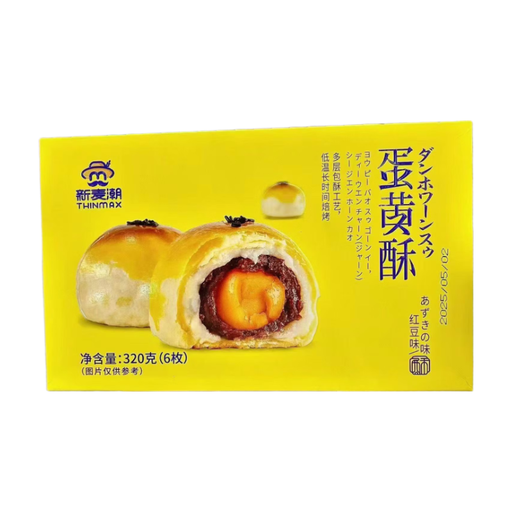
Why This Fits Their Persona: This pastry offers a sophisticated flavour experience for connoisseurs. The combination of flaky pastry, sweet red bean paste, and a savoury salted egg yolk centre is a classic.
It avoids the trap of one-dimensional flavour by clearly separating and combining sweet and salty components. The ingredient list explicitly mentions the salted egg yolk.
Provides a multi-layered taste experience. The individual packaging makes it ideal as a gift or for special occasions.
We have compiled a complete, up-to-date list of products that fully meet these strict selection criteria and German regulations.
Crispy snacks like egg rolls, taro sticks, or crackers should be stored in an airtight container in a cool, dry place after opening to maintain their texture. Soft pastries like Sachima or mooncakes are less sensitive but also benefit from airtight storage to prevent them from drying out.
No, that's a common misconception. While spicy flavours are popular, many savoury snacks are based on umami taste, created by ingredients like soy sauce, fermented beans, or roasted seaweed. Products like salted quail eggs or taro sticks with crab roe flavour are examples of savoury but not necessarily spicy snacks.
Although the names sound similar, they are completely different products. Egg rolls are a sweet, crispy pastry made from a thin batter of eggs, flour, and sugar, often shaped into rolls. They are eaten as a dessert or snack. Spring rolls, on the other hand, are a savoury dish where a filling of vegetables, meat, or seafood is wrapped in a pastry and then fried or steamed.