
Lieferung heute & morgen

Qualitätsgarantie

Willkommens-Angebote freischalten: KOSTENLOSE Lieferung | Bis zu 80 % RABATT | Kostenlose 30-Tage-JoyPlus-Testphase
App herunterladen
The snack market is in a state of constant evolution, driven by changing consumer preferences and technological advancements in food processing. Asian snacks, in particular, are gaining popularity as they often rely on unconventional ingredients like fruits and vegetables and achieve unique textures through specialised manufacturing methods. This article provides an analytical overview of product selection criteria and presents a curated list of products deemed relevant based on their specifications and composition.
When choosing snacks from Asia, objective criteria are crucial for making an informed decision. The following points offer technical guidance.
A snack's texture is largely determined by its manufacturing process. Common methods include:
A transparent ingredient list is a key indicator of quality. Pay attention to the percentage of the main ingredient (e.g., "Okra ≥50%"). This reveals the actual vegetable or fruit content. The nutrition table provides quantifiable data on energy, fat, saturated fats, carbohydrates, sugars, and salt. These values enable a direct comparison of different products and help you incorporate them into your personal dietary plan.
Chinese snacks and other Asian specialities are often characterised by complex flavour profiles that go beyond the classic categories of sweet or salty. Terms like "umami" describe a savoury, rich taste often achieved with ingredients such as seaweed or soybeans. The origin can be an indicator of authentic recipes and ingredients.
The following selection is based on an analysis of product specifications, ingredient lists, and manufacturing processes.
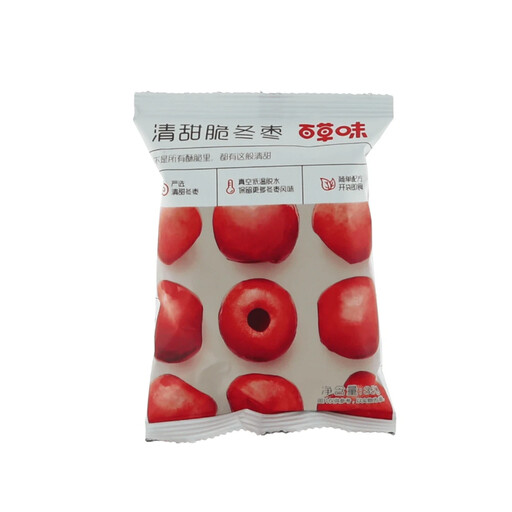
Why we recommend this product: This product stands out with its minimalist ingredient list, where the winter jujube (a type of date) is the main component at ≥80%. The processing aims to preserve the fruit's natural sweetness and create a crispy texture. It is a pure fruit crisp with no added flavourings or sweeteners.
Pros:
Who it's for: Consumers looking for a sweet, purely fruit-based snack who prefer a simple, transparent ingredient list. Suitable as an alternative to conventional sweets.
Product Details:

Why we recommend this product: This product uses okra, a vegetable less common in Europe, as the base for a vegetable crisp. The high vegetable content of ≥50% and a special drying process to preserve nutrients and texture are noteworthy. The seasoning with malt syrup and salt creates a balanced, sweet-and-savoury flavour profile.
Pros:
Who it's for: Culinary adventurers seeking unique snacks and new taste experiences. A great choice for those who want a vegetable-focused alternative to traditional potato crisps.
Product Details:
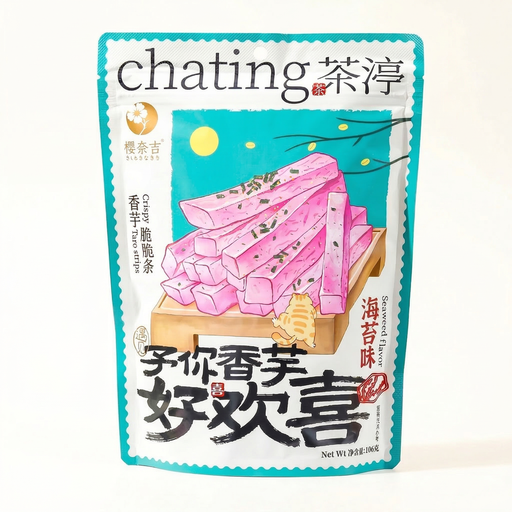
Why we recommend this product: These snack sticks combine starchy taro root with the savoury umami flavour of seaweed. As a baked snack, it presents an alternative to fried products. The texture is firm and crispy, while the seaweed flavouring provides a distinctive, savoury taste experience.
Pros:
Who it's for: Individuals who prefer savoury and flavourful snacks and appreciate the umami taste of Asian cuisine. Ideal for enjoying as a standalone snack or as a crispy topping.
Product Details:
While fruit and vegetable crisps represent a modern facet of Asian snacks, classic varieties remain an established choice. For consumers who prefer a familiar texture and base, the market offers a wide range of products. You can find an overview of various crispy potato crisps in our dedicated category.
What makes Asian snacks special? Their unique quality often lies in the use of unconventional main ingredients such as fruits (jujube), vegetables (okra, taro), or roots. Additionally, special processing methods are employed to create unique textures. In terms of taste, they are often characterised by complex profiles that combine sweet, salty, sour, and savoury (umami) notes.
Are vegetable crisps from Asia a healthy alternative? The nutritional assessment of vegetable crisps depends on the manufacturing process and ingredients. Products that are baked or vacuum-fried can have a different nutritional profile than deep-fried versions. It is advisable to consult the nutrition table to check the fat, sugar, and salt content and to evaluate the product objectively. A high vegetable content is a positive feature, but it does not replace the consumption of fresh vegetables.
Where can you buy authentic Chinese snacks online? Specialised online retailers focusing on the import and distribution of Asian foods typically offer a curated selection of authentic products. When buying snacks online, it is beneficial to look for detailed product descriptions, transparent ingredient lists, and nutritional information to make an informed purchasing decision.