
Lieferung heute & morgen

Qualitätsgarantie

Willkommens-Angebote freischalten: KOSTENLOSE Lieferung | Bis zu 80 % RABATT | Kostenlose 30-Tage-JoyPlus-Testphase
App herunterladen
The search for authentic Asian snacks in Germany can often be a challenge. While local supermarkets offer only a limited selection, online shops present a tempting array of products. However, those who order Asian snacks online face several hurdles: products that don't meet expectations, unclear ingredients, or misleading package sizes.
As a Joybuy Product Recommendation Officer, my role is to filter market information and provide practical advice. This guide will help you navigate common pitfalls and find products that truly suit your taste.
To ensure you get exactly what you're looking for, three parameters are crucial. A quick check of these points can make your purchasing decision significantly easier.
The ingredients list is the most objective indicator of a snack's authenticity and quality.
The country of origin is a strong indicator of authenticity. If you specifically want to buy Chinese snacks, you should favour products that are also made in China. Established brands like Want Want, Bestore, or HSU FU CHI are well-known in Asia and represent a consistent, traditional taste. Checking the manufacturer or importer provides clarity.
Don't be fooled by the size of the packaging in the photo. The crucial detail is the net weight in grams. You'll find this information in the product description, and it tells you the actual quantity you will receive. Many Asian snacks are also individually wrapped, which is convenient for on-the-go consumption and preserves freshness.
Based on these objective criteria, we have curated a selection of products for different preferences.
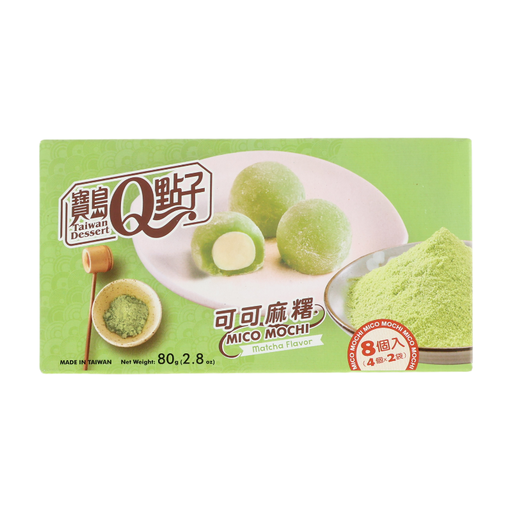
Why This Fits Their Persona: Ideal for those who love the classic, soft texture of mochi but also appreciate modern flavour combinations like matcha and cocoa. A perfect snack for a coffee break or as a light dessert.
Its origin in Taiwan and the "Taiwan Dessert" brand are hallmarks of authenticity. The ingredients list confirms the use of glutinous rice and real matcha. The net weight of 80g is clearly declared.
The combination of a cocoa-infused dough and a matcha filling offers a balanced flavour experience. The pieces are individually wrapped, which preserves freshness and makes them easy to share.
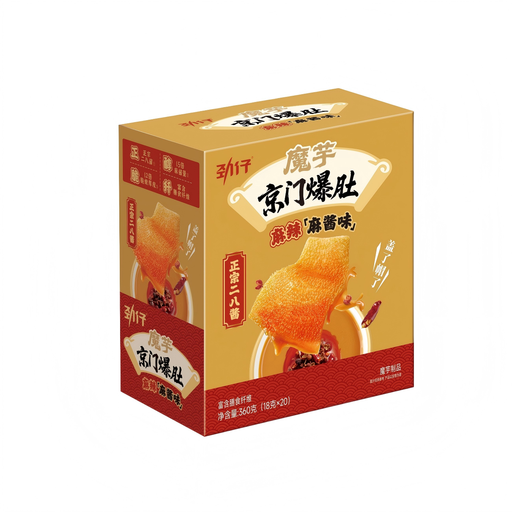
Why This Fits Their Persona: Perfect for anyone searching for intense and spicy snacks from Asia. This snack combines the popular "mala" heat (numbing and spicy) with a firm, meat-like texture on a plant-based foundation.
This product is an authentic Konjac snack from the well-known brand Jin Zai. The ingredients list confirms that the snack is made of over 71% konjac and is seasoned with Szechuan pepper and chilli, thus avoiding the authenticity trap.
The snack is low in calories (196 kcal per 100g) and plant-based. The 20 individual 18g packs are ideal for portion control and for snacking on the go.
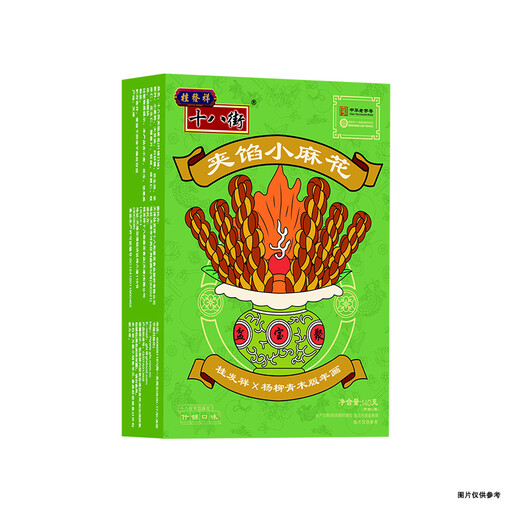
Why This Fits Their Persona: For those who wish to experience a piece of Chinese culinary culture. Mahua is a traditional fried dough pastry from Tianjin. This version from Guifaxiang is a classic and serves as an excellent accompaniment to tea.
The Guifaxiang brand is the originator of the famous "18th Street" Mahua, guaranteeing the highest level of authenticity. The ingredients list, featuring wheat flour, peanuts, walnuts, and osmanthus flowers, confirms the traditional recipe.
The pastry offers a unique, crispy, and flaky texture. The blend of nuts and spices creates a complex, sweet, and aromatic flavour profile. Individual packaging preserves its crispness.
We have compiled a complete, real-time list of products that fully satisfy these strict selection criteria and UK safety regulations.
1. How do I properly store Asian snacks to maintain their freshness? Most dry snacks like crackers, pastries, or dried fruits should be stored in a cool, dry place, away from direct sunlight. After opening, it's advisable to keep them in an airtight container to preserve their crispness. Soft snacks like mochi should also be sealed in an airtight container and consumed promptly to prevent them from drying out.
2. Are Konjac snacks truly a healthier alternative? Konjac snacks are based on konjac flour, which is derived from the konjac root. They are naturally very low in calories and rich in soluble fibre (glucomannan), which can have a satiating effect. However, whether a Konjac snack is a healthier choice depends heavily on its preparation. Pay attention to the oil, salt, and sugar content in the seasoning sauce, which is listed in the nutritional information.
3. How can I identify authentic Asian sweets online? Look for three key features: the brand (search for manufacturers well-known in Asia), the country of origin (e.g., China, Taiwan, Japan), and the ingredients list. Traditional sweets often use specific ingredients like glutinous rice flour, red bean paste, mung beans, or pandan. A product that meets these criteria is highly likely to be authentic. A good online Asian shop will provide this information transparently.