
Lieferung heute & morgen

Qualitätsgarantie

Willkommens-Angebote freischalten: KOSTENLOSE Lieferung | Bis zu 80 % RABATT | Kostenlose 30-Tage-JoyPlus-Testphase
App herunterladen
The market for Asian snacks is distinguished by its remarkable diversity of ingredients, textures, and flavour profiles. Unlike many European confections, which are primarily based on chocolate, caramel, or simple fruit sweetness, Asian products often use ingredients like glutinous rice, red beans, soy protein, or matcha. These components create unique sensory experiences, from the chewy "Q texture" to complex umami notes. This guide analyses key product features and presents a selection of snacks representing various categories.
When you plan to buy Asian snacks online, a structured approach using objective criteria is recommended. The following points serve as a guide for evaluating the offerings in an online Asia shop.
A snack's base is the primary determinant of its mouthfeel. Common bases include:
Asian snacks can be broadly divided into three flavour categories:
Checking the ingredient list is fundamental. Common allergens in Asian snacks include soy, wheat (gluten), peanuts, sesame, and dairy products. Transparent labelling in accordance with EU Regulation (FIC) is mandatory for products sold in Germany. The nutrition facts table also provides objective data on energy, fat, carbohydrate, sugar, and protein content per 100 grams.
The following selection is based on the criteria above and represents different snack categories.
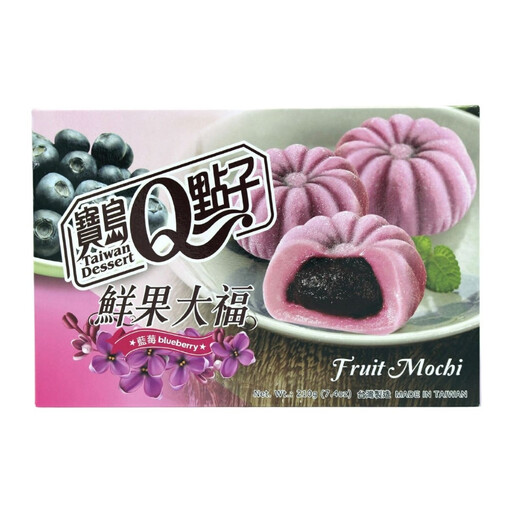
Product Feature Analysis: This product is a classic example of a daifuku, a type of mochi. The outer layer is made from glutinous rice flour, which gives it its characteristic soft and stretchy texture. The blueberry-flavoured filling offers a balanced sweetness with a slightly tart fruit note. The package contains individually wrapped portions, which makes handling and transport easy.
Benefits:
Who It's For: Individuals who prefer soft and chewy textures and are looking for an alternative to chocolate or pastry-based sweets. It is a great introduction to the world of Japanese sweets, even though this specific product is made in China.
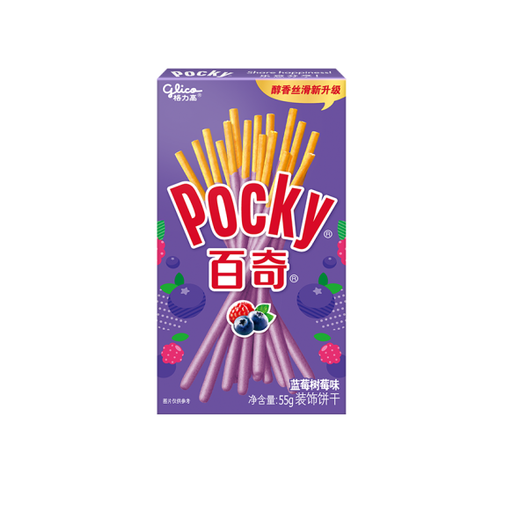
Product Feature Analysis: These biscuit sticks, known by the brand name Pocky, combine a crispy, wheat-flour-based biscuit with a coating. The special feature of this variety is its double berry layer, which, according to the manufacturer, consists of real blueberry powder (10%) and raspberry powder (5%). This provides an intense, fruity-sweet aroma.
Benefits:
Who It's For: Consumers who appreciate crispy snacks and are looking for a fruity alternative to chocolate-covered biscuits. The product is well-suited for newcomers to the world of Asian snacks, as well as for social gatherings.
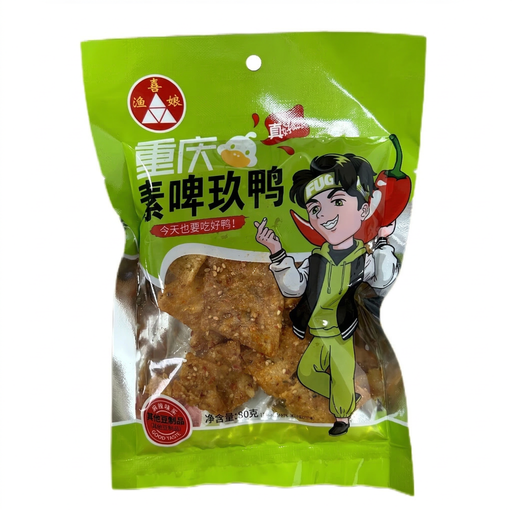
Product Feature Analysis: This snack is an example of innovative vegetarian Asian snacks. It is based on textured soy protein and mimics the flavour and texture of braised duck. The seasoning, with soy sauce and spices, gives it a savoury, slightly spicy umami profile. At 18g of protein per 100g, it is a source of protein.
Benefits:
Who It's For: Vegetarians, flexitarians, and anyone looking for new, savoury snacks from Asia. The product is suitable as a high-protein snack between meals or as an accompaniment to drinks.
The products featured offer just a small glimpse into the variety of Chinese snacks and other Asian specialities. In the realm of fruit-based treats especially, there is a wide range to discover, from dried fruits to filled pastries. You can find an expanded selection of products based on fruits like berries in our Chinese berries category.
1. What are typical Asian snacks? Typical Asian snacks fall into several categories. These include soft, sticky rice cakes like mochi and daifuku; crispy biscuit sticks like Pocky; savoury rice crackers (senbei); seaweed crisps (nori); dried and seasoned seafood or meat and tofu jerky; as well as a variety of fruit jellies and sweets with flavours like lychee, matcha, or ume (Japanese plum).
2. Where can you buy authentic Asian snacks online? Authentic Asian snacks are available from specialised online shops that import directly from Asia or work with corresponding distributors. When buying from an online Asia shop, it is advisable to check for detailed product descriptions, a transparent list of ingredients and allergens, and the country of origin to assess the product's authenticity and quality.
3. Is there a wide selection of vegetarian Asian snacks? Yes, the range of vegetarian Asian snacks is constantly growing. Traditionally, many sweets like mochi or bean paste pastries are naturally vegetarian. In the savoury category, there is a growing number of innovative products based on tofu, seitan, or textured soy protein that mimic classic meat snacks, such as the featured vegetarian beer duck.