
Lieferung heute & morgen

Qualitätsgarantie

Willkommens-Angebote freischalten: KOSTENLOSE Lieferung | Bis zu 80 % RABATT | Kostenlose 30-Tage-JoyPlus-Testphase
App herunterladen
The diverse world of Asian soft drinks, from fruity Korean beverages to classic Chinese sodas, is rapidly gaining a following in the West. However, the growing selection doesn't make choosing any easier. Anyone looking to order exotic sodas online often faces the challenge of distinguishing between authentic quality and empty marketing promises. This guide will help you identify the key features and make an informed choice.
Before you buy drinks from Asia, it's helpful to be aware of common points of confusion that can lead to mismatched expectations.
To avoid disappointment, you should check three central aspects before buying. These will give you objective indicators of the drink's quality and character.
A look at the ingredients list is essential. Pay attention to the position of terms like fruit juice concentrate or fruit purée. If they appear high up on the list, the percentage is generally higher. Terms like flavoring or natural flavor indicate that the taste is primarily created by added flavor compounds rather than the fruit itself. This is a crucial indicator of the flavor profile's authenticity.
Correctly identifying the drink type helps align your expectations for texture and taste.
The nutrition facts panel provides precise information about the energy and sugar content. Compare the "of which sugars" value per 100 ml to get an objective assessment of the sweetness. Many modern Korean drinks opt for low-calorie alternatives. The ingredients list will then include sweeteners like Stevia (E960), Sucralose (E955), or Acesulfame-K (E950). These provide a sweet taste experience with a very low calorie count.
Here are a few recommendations tailored to different preferences and requirements.
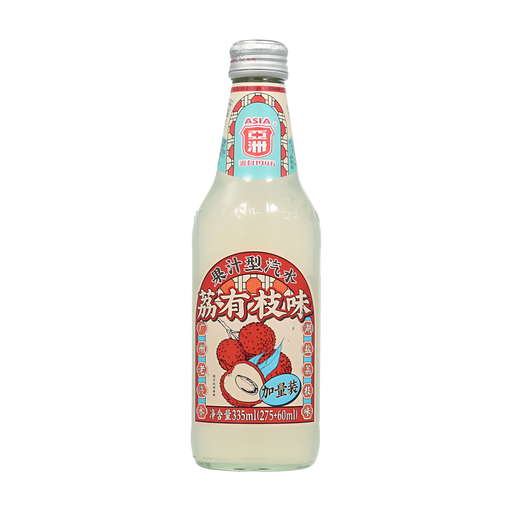
Why This Fits Their Persona: Ideal for those seeking a classic, carbonated lychee soda with an authentic, floral-sweet flavor profile. A timeless classic among Chinese sodas.
The ingredients list features lychee juice concentrate, which ensures a genuine fruit flavor and sidesteps the "flavoring-only" trap.
A balanced blend of fruit juice and carbonation for a light mouthfeel; contains no artificial colors.
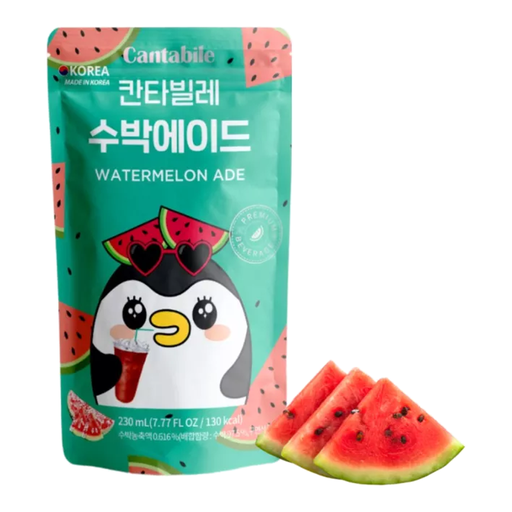
Why This Fits Their Persona: Perfect for the trend-conscious who want a refreshing watermelon drink without the high calorie count. A typical Korean ade for light enjoyment.
At less than 4 kcal per 100 ml, this drink directly addresses the concern of hidden sugar. The sweetness comes from sweeteners, not sugar.
Extremely low in calories yet intensely flavorful thanks to watermelon concentrate; a still beverage designed as a thirst quencher.
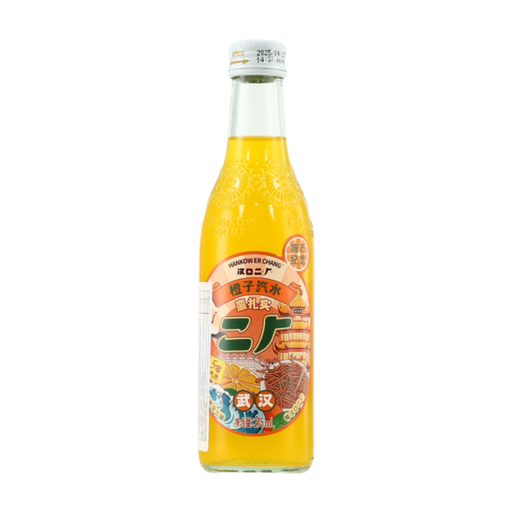
Why This Fits Their Persona: For anyone who appreciates a high-quality orange soda with nostalgic charm. The retro design and classic taste make it a special choice.
This drink is clearly labeled as a "soda" and delivers the expected carbonation. It meets the expectation of a classic soda, avoiding confusion with still "ade" drinks.
Based on concentrated orange juice (≥5%); fine and ample carbonation provides a stimulating mouthfeel.
1. What is the difference between Korean "ade" drinks and regular sodas? The main difference is the carbonation. While sodas are typically carbonated, Korean "ade" drinks are usually still fruit juice beverages. They are often less sweet and designed as light, thirst-quenching refreshments for any time of day.
2. What is the best way to store Asian soft drinks? Most Asian soft drinks should be stored in a cool, dry place away from direct sunlight. After opening, they should be refrigerated and consumed quickly, often within 24 hours, to preserve flavor and any carbonation. They generally taste best when chilled.
3. Do Asian drinks often contain allergens? This varies greatly by product. While many simple fruit sodas are free of common allergens, specialty drinks like melon or milk teas can contain milk and soy ingredients. It is always advisable to read the allergen information on the label carefully, especially for creamy or milk-based drinks.