
Lieferung heute & morgen

Qualitätsgarantie

Willkommens-Angebote freischalten: KOSTENLOSE Lieferung | Bis zu 80 % RABATT | Kostenlose 30-Tage-JoyPlus-Testphase
App herunterladen
The soy sauce aisle can be overwhelming: light, dark, thick, seasoned—the selection is vast. If you're aiming to cook authentic Asian cuisine, you'll soon realize that the standard soy sauce from your local supermarket often doesn't cut it. This guide is designed to help you understand the different types of Asian soy sauce and find the perfect one for your next culinary adventure. We'll present objective criteria and a selection of products to help you make an informed decision.
To find the right Asian seasoning sauce for your kitchen, it helps to understand a few key distinctions. Instead of being overwhelmed by the variety, you can strategically narrow down your options based on application, origin, and ingredients.
The most fundamental distinction in the world of Chinese soy sauce is between light and dark. Each has a different role in the kitchen.
Beyond the basic types, there is a wide range of specialised varieties optimised for specific dishes or flavour profiles.
Here is a selection of soy sauces that cover different applications. The descriptions are based on product information and are intended to help you identify the right product for your needs.

Why it stands out: This seasoned soy sauce from the Chu Bang brand is specially designed for preparing fish and seafood. Its recipe is formulated to enhance the natural flavour of seafood rather than mask it.
Features:
Who it's for: Home cooks who want to recreate the authentic taste of steamed fish dishes, as known from Cantonese cuisine, at home.
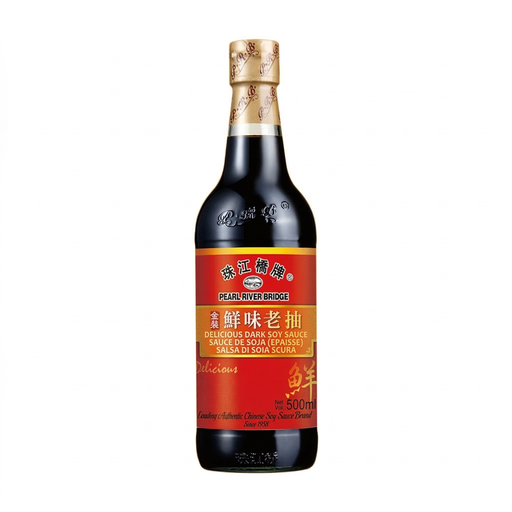
Why it stands out: As a classic dark soy sauce from Pearl River Bridge, a well-known brand for traditionally brewed sauces, this product is ideal for adding colour and flavour to braised dishes.
Features:
Who it's for: Essential for anyone looking to give dishes like braised meat, poultry, or tofu a deep, rich colour and a complex, slightly sweet flavour.
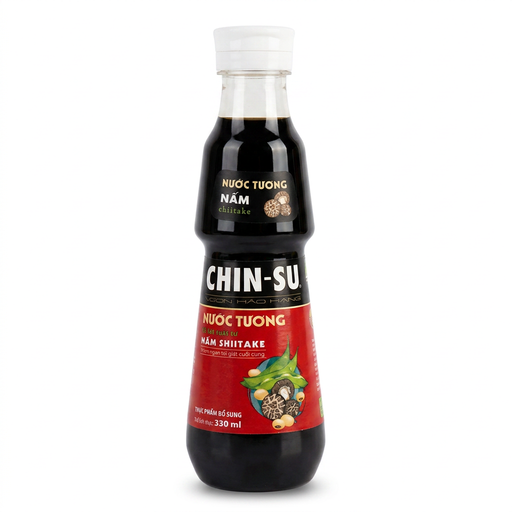
Why it stands out: This Vietnamese soy sauce from Chinsu is a mushroom soy sauce enhanced with shiitake flavours. It offers a particularly deep and multi-layered umami profile.
Features:
Who it's for: Ideal for cooks who want to add an extra depth of flavour with an earthy mushroom note to their dishes—whether meat, tofu, or vegetables. A great choice for vegetarian stir-fries.
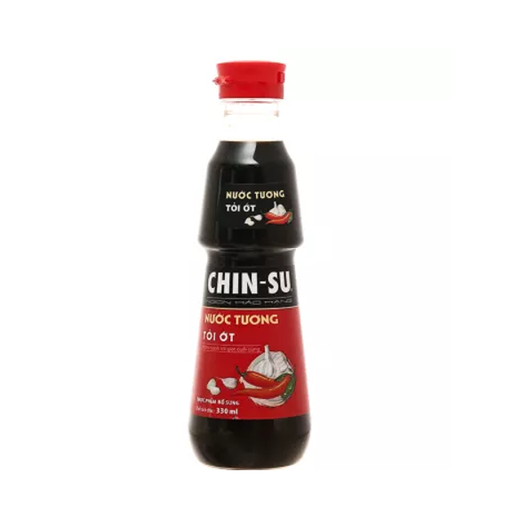
Why it stands out: This spicy soy sauce from Chinsu combines the salty base of soy sauce with the heat of chilli and the aroma of garlic. It's a convenient all-in-one seasoning sauce.
Features:
Who it's for: Perfect for lovers of spicy flavours who are looking for a straightforward and flavour-packed dipping sauce for spring rolls, dumplings, grilled meat, or seafood.
The world of Asian seasoning sauces is diverse and offers something for every palate. If you haven't found what you're looking for in this selection or want to discover other types of sauces like hoisin, oyster sauce, or various chilli oils, you can find more products in our Sauces, Spices & Dressings category.
Light soy sauce is thinner and saltier; it is primarily used for seasoning. Dark soy sauce is thicker, less salty, and slightly sweet; it is mainly used to colour braised dishes, giving them an appetising dark hue.
Unopened soy sauce should be stored in a cool, dark place. After opening, it is recommended to keep the bottle tightly sealed in the refrigerator. This helps to preserve its quality and aroma for a longer period.
A substitution is possible, but it will change the flavour of the dish. Japanese soy sauce (shoyu) is typically brewed with a higher wheat content, which often makes it slightly sweeter and less intensely salty than Chinese light soy sauce. For an authentic result, it is advisable to use the type of sauce specified in the recipe.