
Lieferung heute & morgen

Qualitätsgarantie

Willkommens-Angebote freischalten: KOSTENLOSE Lieferung | Bis zu 80 % RABATT | Kostenlose 30-Tage-JoyPlus-Testphase
App herunterladen
The world of Asian spirits is diverse and fascinating, but getting started can be overwhelming. From Korean soju to Chinese baijiu, the selection is vast—and so is the risk of making a bad purchase. Many curious buyers invest in a bottle that ultimately fails to meet their expectations because they overlooked key distinctions. This guide will help you avoid the common pitfalls and make an informed choice.
Before you start searching for the right product, it's helpful to understand the most common misconceptions that often lead to disappointment.
To avoid a bad purchase, you should check two or three fundamental parameters. These will help you accurately categorise the product and ensure it suits your purpose and taste.
The most important distinction is between spirits for cooking and those for drinking.
The production method has a decisive impact on texture, flavour, and alcohol content.
Especially with soju and makgeolli, there is a wide range of flavours available.
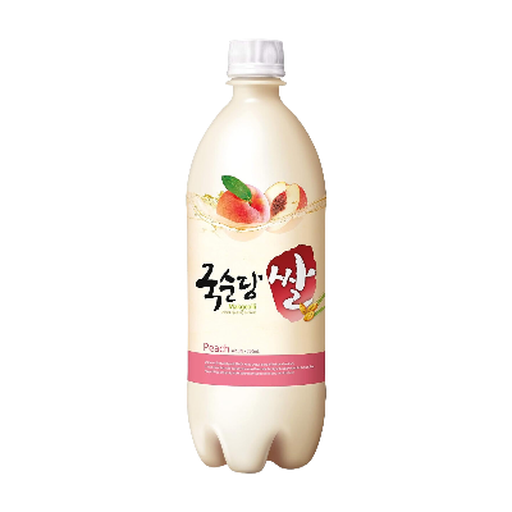
Why This Fits Their Persona: Ideal for anyone whose curiosity was sparked by K-dramas and is looking for an approachable, mild drink. The sweet peach flavour and low alcohol content make it the perfect entry point into the world of Korean rice wines.
This product avoids the trap of a harsh or unfamiliar taste. It is intentionally designed as a light, fruity drink that is immediately enjoyable and not overwhelming.
ABV: 3%
Profile: Sweet, fruity, lightly sparkling, and creamy. Best enjoyed chilled.
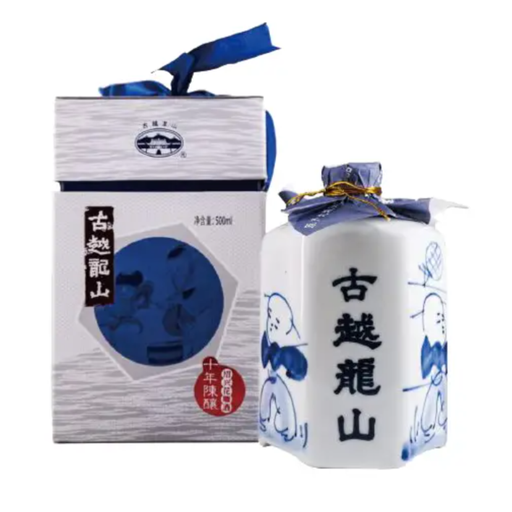
Why This Fits Their Persona: For home cooks who want to elevate their Chinese dishes to an authentic level. This 10-year-aged Shaoxing wine is an essential ingredient for classic braised dishes like "Hong Shao Rou" (red-braised pork belly).
This is explicitly a cooking wine, avoiding any confusion with a drinking wine. Its quality lies in the aromatic complexity it imparts to dishes, not in being enjoyed neat.
Profile: Semi-dry and full-bodied with notes of nut and honey.
Use Case: Adds a deep, authentic umami note to braises and marinades.
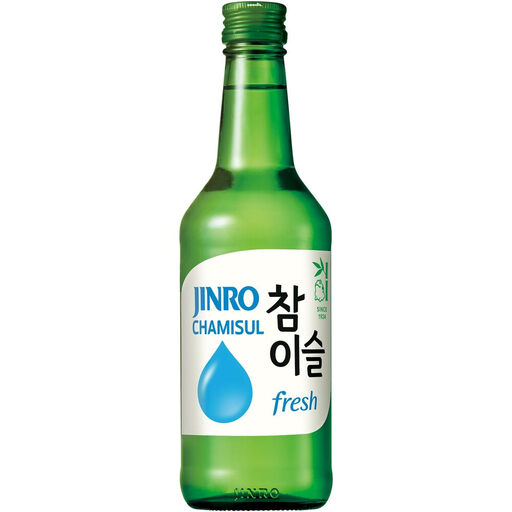
Why This Fits Their Persona: For those who want to experience the authentic, unflavoured taste of soju. Jinro Fresh is one of the world's best-selling sojus and represents a crisp, clean drinking experience that sets it apart from sweet, fruity variants.
This product avoids the trap of artificial sweetness. Its character is based on the purity of multiple distillations, resulting in a clean and refreshing taste.
ABV: 16.5%
Profile: Very smooth, clean, and refreshing. Versatile: enjoy it neat, on the rocks, or as a neutral base for cocktails.
We have compiled a complete, up-to-date list of products that fully meet these strict selection criteria and UK regulations.
The main difference lies in the production process and the final result. Makgeolli is an unfiltered, fermented rice beverage that is milky, sweet, and slightly sparkling, with a low alcohol content (approx. 3-8%). Soju is a clear, distilled spirit that is produced after fermentation. As a result, soju has a significantly higher alcohol content (approx. 13-25%) and a cleaner, more neutral taste.
Soju is traditionally served neat and well-chilled in small glasses. It is a social drink, often shared with meals among company. In Korea, it's customary to pour for others but never for yourself. Modern, flavoured sojus are also great in cocktails or mixed with beer (a drink called "somaek").
It is not recommended to drink Shaoxing cooking wine neat. It is intended for culinary use and often contains a high salt content, which makes it unpalatable as a beverage. While there are high-quality, aged Shaoxing wines that can be enjoyed as an aperitif (similar to a dry sherry), most varieties available in stores are explicitly labelled as Asian cooking wine. Therefore, always check the label.