
Same-day & Next-day Delivery

Quality Guaranteed

Unlock Your Welcome Offers: FREE Delivery | Up to 80% OFF | Free 30-day JoyPlus trial
Download the APP
The world of Asian spirits is fascinating and diverse, but for many, it's also a confusing landscape. From Japanese sake to Korean soju, the selection is constantly growing, but so is the risk of buying a product that doesn't meet your expectations. As your Joybuy Product Recommendation Officer, I'm here to help you navigate the common pitfalls and make an informed choice.
Before you order Asian beverages online, you should be aware of the common misunderstandings that often lead to disappointment.
To ensure you find the right product for your taste and occasion, you should check three key characteristics.
When you buy Japanese sake, the polishing ratio is the most important objective indicator of quality. It tells you what percentage of the rice grain remains after polishing.
Look for this information on the label to determine the basic flavour profile.
Not all soju is created equal. Traditional soju is distilled, whereas modern, more affordable versions are often made from diluted neutral alcohol with added sweeteners and flavourings.
Asian beer brands, especially Japanese beer, often differ fundamentally from German beers brewed under the Purity Law (Reinheitsgebot). Many Japanese lagers use rice or corn in addition to barley malt. This results in a particularly light body and a crisp, clean finish—known in Japan as "Karakuchi." This quality makes them an excellent companion for sushi, tempura, and other dishes, as the beer does not overpower the food's flavour.
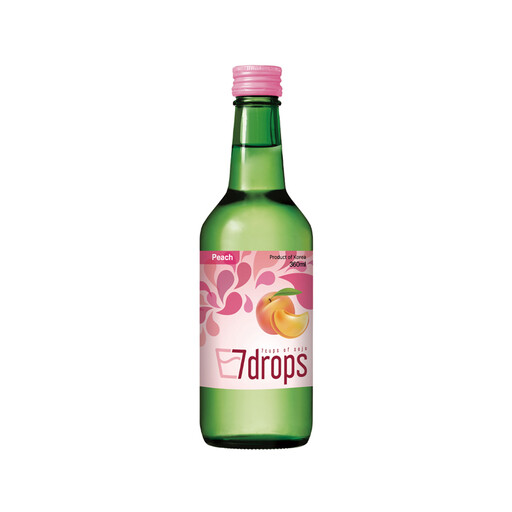
Why This Fits Their Persona: Ideal for anyone wanting to explore the world of soju without the intensity of traditional spirits. The moderate alcohol content and sweet peach flavour make it highly approachable and perfect for sipping neat over ice or in simple mixed drinks.
This product is clearly labelled as a flavoured soju. You know exactly what you're getting—a modern, aromatic version—thus avoiding any mix-up with traditional, unflavoured soju.
Moderate alcohol content of 12% ABV; made with real peach juice for a fruity, balanced flavour profile.
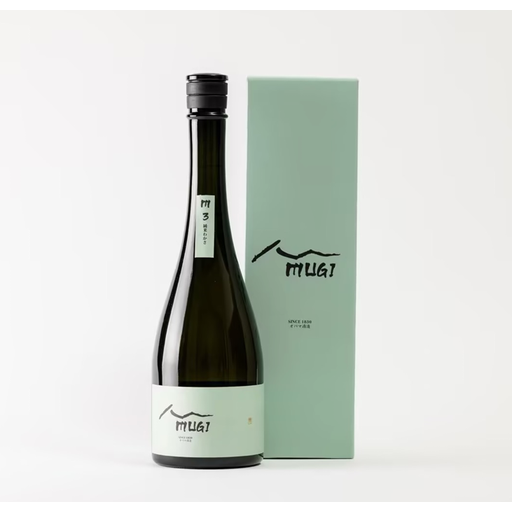
Why This Fits Their Persona: For lovers of Japanese cuisine seeking an authentic sake to pair with food. As a Junmai sake, it is made only from rice, water, yeast, and koji, guaranteeing a pure, unadulterated taste that pairs brilliantly with sushi, fish, and other light dishes.
The clear specifications of Junmai (pure rice sake) and a polishing ratio of 65% provide transparency and prevent you from buying an unsuitable product. It sidesteps the pitfall of unclear sake classifications.
Uses Gohyakumangoku rice, known for producing light, clean sakes; no added alcohol, which emphasizes the natural flavour of the rice.
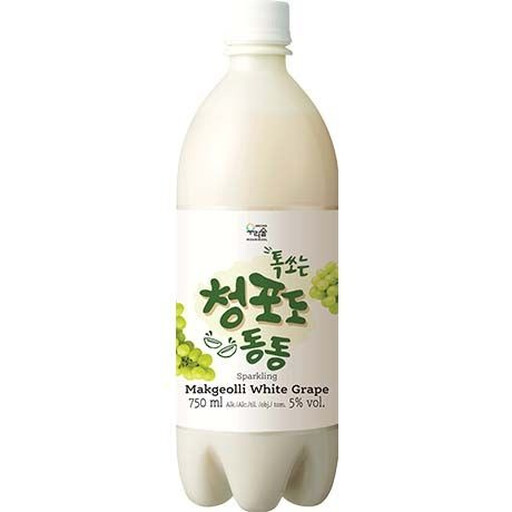
Why This Fits Their Persona: Perfect for social gatherings, like a Korean BBQ. Makgeolli is a traditional Korean social drink. With only 5% ABV and a large 750ml bottle, it's ideal for sharing. The fruity grape note makes it especially refreshing.
This product is clearly identified as Makgeolli rice wine, avoiding any confusion with sake or soju. The low alcohol content and flavour description prevent false expectations about its intensity.
Low alcohol content (5% ABV) for easy drinking; milky, slightly sparkling texture that pairs well with spicy foods.
We have compiled a complete, real-time list of products that fully satisfy these strict selection criteria and UK safety regulations.
Unopened sake should be stored in a cool, dark place away from direct sunlight, similar to wine. Once opened, the bottle should be tightly sealed and kept in the refrigerator. Depending on its quality and type (e.g., unpasteurised Nama-sake), it should be consumed within a few days to a maximum of two weeks, as it will lose its aroma.
Although they are often mentioned in the same breath, they are fundamentally different. Sake is a Japanese brewed beverage made from fermented rice, with a production process more akin to beer. Its alcohol content is typically 14–18% ABV. Soju is a Korean distilled spirit, traditionally made from rice but now often from sweet potatoes, barley, or tapioca. Its alcohol content varies widely, from around 12% (flavoured) to over 45% (traditional).
No, their versatility is one of their greatest strengths. A dry Junmai sake, for example, also pairs wonderfully with Italian seafood dishes or mild cheese. A light, flavoured soju can serve as a base for cocktails, offering an alternative to gin or vodka. A sparkling sake makes an excellent aperitif, comparable to Prosecco or Cava. Experimentation is highly encouraged.