
Same-day & Next-day Delivery

Quality Guaranteed

Unlock Your Welcome Offers: FREE Delivery | Up to 80% OFF | Free 30-day JoyPlus trial
Download the APP
The world of Asian spirits is diverse and fascinating, but getting started can be overwhelming. From the green bottles prominently featured in K-dramas to the complex flavours of traditional rice wines, the selection is vast. However, many buyers face the challenge of finding the right product, often spending money on something that doesn't meet their expectations. This guide will help you avoid the most common pitfalls and make an informed decision.
A common issue is confusing drinking spirits with cooking wines. A bottle that looks like a premium spirit might turn out to be a salted cooking wine, unsuitable for drinking neat. Another pitfall is having incorrect flavour expectations. Not every soju is sweet and fruity, and a high-proof Chinese liquor like Baijiu has a completely different flavour profile than a mild Japanese sake.
To avoid disappointment, it's helpful to understand a few basic characteristics. These parameters will help you correctly interpret product descriptions and search specifically for what you want.
The most fundamental distinction lies in the product's purpose. While spirits like soju, sake, or makgeolli are intended for direct consumption, products such as Shaoxing wine or mirin primarily serve as rice wine for cooking.
The term "rice wine" is very broad. The production method significantly determines the flavour and strength.
Especially in the soju category, there is a wide variety of flavours.
Here are some recommendations tailored to different needs and taste preferences.
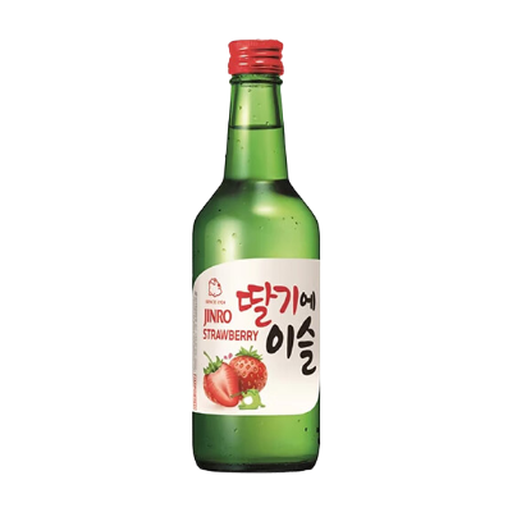
Why This Fits Their Persona: Ideal for anyone who has become curious about soju through K-dramas or K-pop. The sweet strawberry flavour and moderate 13% alcohol content make it very approachable and perfect for social gatherings.
The product is clearly labelled as a flavoured soju. You avoid the surprise of getting a harsh, traditional soju when you're expecting a fruity taste.
The combination of Chamisul Soju's smooth base and natural strawberry flavour creates a refreshing and straightforward drinking experience. Best served chilled.
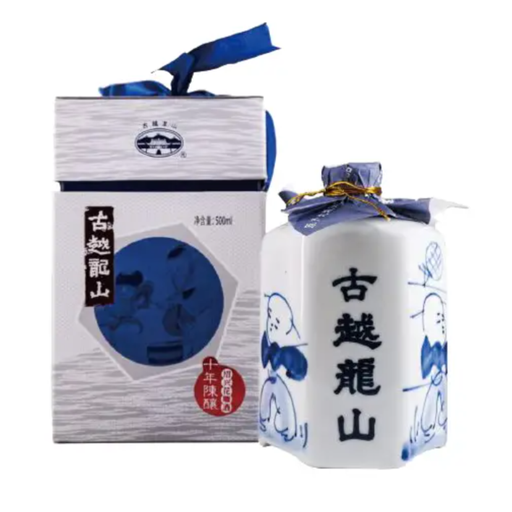
Why This Fits Their Persona: For home cooks who want to prepare authentic Chinese dishes like braised beef or steamed fish. This 10-year-aged wine adds unparalleled depth to food.
This is a high-quality Shaoxing wine suitable for both cooking and, in moderation, drinking. It avoids the pitfall of buying a cheap, overly salty cooking wine that masks rather than enhances flavour.
The 10-year ageing process in earthenware jars develops a complex, nutty aroma and a rich umami flavour. It belongs to the "semi-dry Hua Diao" category, a quality designation for Shaoxing wine.
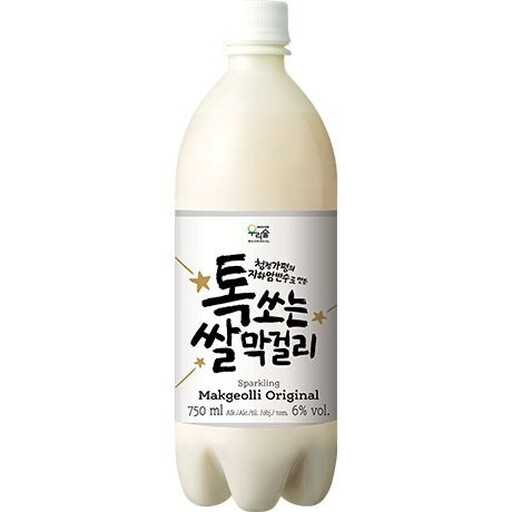
Why This Fits Their Persona: For those who want to try an authentic yet approachable Asian specialty. Makgeolli offers a unique taste experience that is very different from clear spirits.
This product debunks the misconception that traditional Asian drinks must be strong and harsh. With 6% alcohol, it's light and refreshing, offering a gentle introduction to the world of fermented rice beverages.
The milky, lightly sparkling texture and sweet-sour taste are characteristic of traditional Makgeolli. It is made from rice and the fermentation starter, nuruk. Shake well before enjoying.
We have compiled a complete, up-to-date list of products that fully meet these strict selection criteria and local regulations.
Soju is traditionally drunk neat and well-chilled from small, special soju glasses. It's a social drink, often enjoyed in company. Flavoured varieties also taste great on ice, while classic soju serves as a good base for cocktails, for example, mixed with beer (Somaek) or fruit juices.
Although both are often called "rice wine," they are fundamentally different. Sake is brewed, similar to beer, and consists exclusively of rice, water, yeast, and koji mould. Its alcohol content is usually 15-17%. Soju is a distilled spirit, similar to vodka. It can be made from rice but also from other starchy plants and has a variable alcohol content, typically between 12% and 24%.
That depends on the quality. High-quality, long-aged Shaoxing wine (like the 10-year-old recommended above) can be enjoyed neat, often slightly warmed to release its aromas. Cheaper rice wine for cooking, however, is often salted to bypass customs regulations for edible alcohol and is therefore unsuitable for direct consumption. Always check the ingredients list for salt.