
Lieferung heute & morgen

Qualitätsgarantie

Willkommens-Angebote freischalten: KOSTENLOSE Lieferung | Bis zu 80 % RABATT | Kostenlose 30-Tage-JoyPlus-Testphase
App herunterladen
The world of Asian spirits is diverse and fascinating. From Korean soju, which plays a starring role in K-dramas, to the complex Chinese baijiu, interest in Germany is steadily growing. But as the selection expands, so does the uncertainty. Many buyers invest in a bottle that ultimately fails to meet their expectations. As your Joybuy Product Recommendation Officer, I'm here to help you avoid the most common pitfalls and make an informed choice.
The three most common mistakes when buying Asian alcoholic beverages are:
To avoid these mistakes, it helps to understand a few basic parameters that define a spirit's character.
Before you choose a bottle, check three crucial features. These will help you find the product that truly matches your expectations.
The production method is the most important factor for taste and strength.
The raw materials used define the fundamental character of the drink.
The right combination of drink and food is crucial for enjoyment. Look specifically for drinks for Asian food that complement your menu.
Here are some recommendations tailored to different needs and occasions.
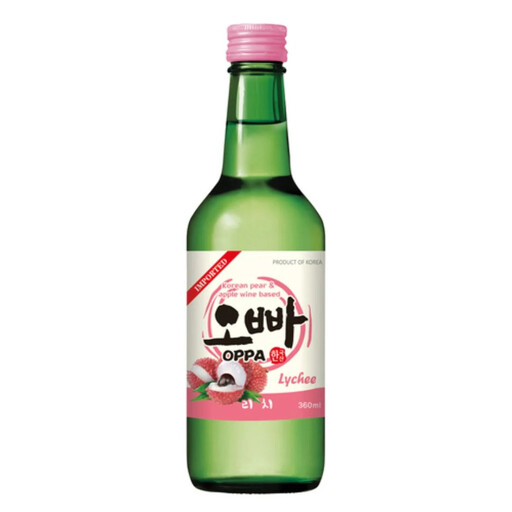
Why It's a Match: Perfect for K-drama nights or as an approachable drink for parties. The sweet lychee flavour and moderate alcohol content of 12% ABV make it an easy and uncomplicated entry point.
This avoids the mistake of choosing a spirit that is too strong or has a challenging flavour profile. The clear labelling as a fruit soju prevents confusion with classic varieties.
Pleasantly sweet flavour profile; lower alcohol content compared to classic soju, making it highly accessible.
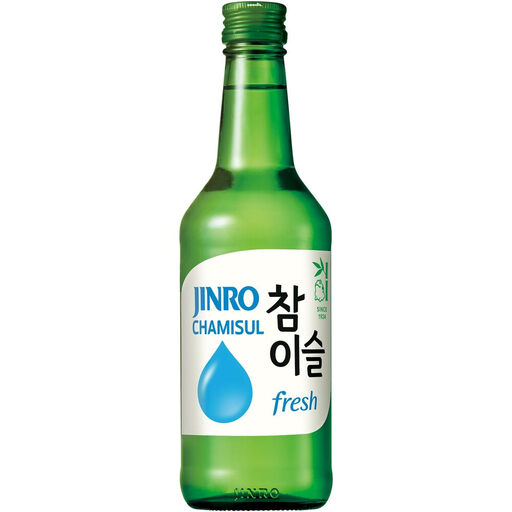
Why It's a Match: The ideal accompaniment to a Korean BBQ or spicy stews. Its clean, crisp taste neutralises the heat and cleanses the palate without overpowering the food's flavours.
Prevents the mistake of pairing a sweet fruit soju with a savoury dish, where it would clash in flavour. This is the authentic choice for traditional meals.
Clean, smooth taste from multiple filtrations; classic alcohol content of 16.5% ABV, which is the standard in Korean dining.
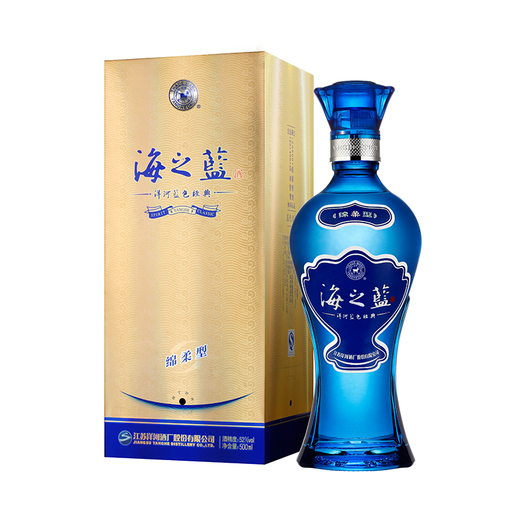
Why It's a Match: For the curious who want to experience the most famous Chinese spirit, baijiu, in an approachable yet high-quality form. Suitable for special occasions or as a gift.
Protects you from buying a low-quality or extremely harsh baijiu. Yanghe is an established brand, and this product is described as smooth, despite its high alcohol content of 52% ABV.
A balanced flavour profile described as "sweet, mild, soft, clean, and fragrant"; considered a great entry point into the world of premium baijius.
We've compiled a complete, up-to-date list of products that fully meet these strict selection criteria and German regulations.
Although both are clear, distilled spirits, there are fundamental differences. Soju is a Korean spirit, usually made from rice, barley, or sweet potatoes, with an alcohol content of around 16–25% ABV. Its taste is rather neutral and smooth, or sweet in flavoured varieties. Baijiu is a Chinese spirit, primarily distilled from sorghum, and is significantly stronger at 40–60% ABV. Its flavour profile is extremely complex and intense, and it is categorised into different aroma classes.
Makgeolli should always be served well-chilled. Since a natural sediment of rice particles settles at the bottom of the bottle, it should be gently swirled (not shaken) before opening to create a homogeneous, milky liquid. It is traditionally drunk from small bowls and pairs excellently with savoury Korean dishes like Pajeon (scallion pancakes).
No, that's a common misconception. A distinction must be made between basic cooking wine, which often has salt added, and high-quality, aged Shaoxing wine. The latter, often referred to as "Hua Diao," is a respected beverage in China. It is typically served slightly warmed and is prized for its complex, nutty-sweet aroma, which pairs well with rich dishes. A good Shaoxing wine is therefore both an excellent cooking ingredient and a pleasure in its own right.