The world of Asian spirits is diverse and fascinating, but it can be overwhelming for newcomers. From the soju popularised in K-dramas to complex Chinese baijiu, the selection is constantly growing. However, there are several pitfalls that can lead to an unsuitable purchase. This guide will help you identify the key characteristics to find a spirit that truly suits your occasion and palate.
The 3 Most Common Pitfalls When Buying Asian Spirits
Before making a decision, you should be aware of the common misconceptions that often lead to disappointment.
- Confusing Cooking Wine with Drinking Wine: Caution is particularly advised with Chinese rice wines like Shaoxing. Many products labelled as Shaoxing cooking wine contain a high salt content to preserve them as a seasoning. These are unsuitable for drinking neat and can ruin a dish if used incorrectly.
- "Authentic" vs. "Adapted": Not every bottle that looks traditional contains a traditional product. Some spirits made for the Western market, especially flavoured sojus or liqueurs, have a heavily adapted flavour profile—often sweeter and with a lower alcohol content. This isn't inherently bad, but you should know what you're buying.
- Unclear Declaration of the Base Spirit: Terms like "Asian spirit" are very general. Without checking the ingredients list, it's often unclear whether the base is a fermented Korean rice wine (like makgeolli), a distilled spirit from sorghum (like baijiu), or a neutral spirit from tapioca. The base ingredient is a key determinant of the spirit's character and quality.
What to Look For Before You Buy: The Core Parameters
To avoid a bad purchase, focus on three objective criteria that will help you make the right choice.
1. Base Ingredient and Production Method
The foundation of any spirit defines its flavour profile. There are two main categories:
- Fermented Beverages (Wines): These are produced through fermentation, similar to beer or wine. The base is usually rice or other grains. Examples include makgeolli (milky, slightly sweet, carbonated) and Shaoxing rice wine (amber-coloured, nutty, umami). They typically have a lower alcohol content (approx. 6–15% ABV).
- Distilled Spirits: Here, a fermented mash is distilled to concentrate the alcohol. Baijiu, the Chinese spirit, is usually distilled from sorghum and reaches high alcohol levels (often over 40% ABV). Soju is traditionally distilled from rice, but today it is often made from sweet potatoes, barley, or tapioca, resulting in a more neutral taste.
2. Alcohol Content and Intended Use
The alcohol content is a direct indicator of its intended use:
- Low Alcohol Content (3–16% ABV): Beverages like flavoured soju, plum wine, or makgeolli are meant for direct consumption, often chilled, in social settings. They are approachable and well-suited for beginners.
- Medium Alcohol Content (14–20% ABV): This range includes many high-quality, unsalted Shaoxing wines. They can be used for cooking to enhance flavours or enjoyed neat (often gently warmed).
- High Alcohol Content (over 30% ABV): Traditional Chinese spirits like baijiu (e.g., Moutai or Fenjiu) fall into this category. These spirits are enjoyed neat in small sips or used as a potent base for Asian cocktails.
3. Additives: Traditionally Pure or Modernly Flavoured?
The ingredients list reveals whether you're holding a pure product or a modern variation.
- Traditional Recipes: Often consist of only water, grain (e.g., rice, sorghum, wheat), and a fermentation starter (e.g., Qu or Nuruk). A classic, unsweetened Korean rice wine or a high-quality baijiu would be an example.
- Flavoured Variants: Contain added fruit juices, sugar, syrup, or artificial flavours. This is typical of many modern soju varieties that you can order soju online. They offer a wide variety of flavours but move away from the spirit's original character.
Recommended for Different Needs
Here are some recommendations tailored to different needs and use cases.
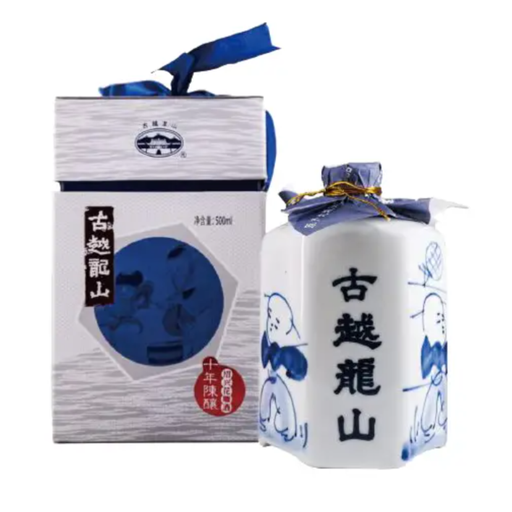
MATCH FOR: The Discerning Home Chef
Why This Fits Their Persona: Ideal for home chefs who want to create authentic Chinese dishes like braised meats or steamed fish and are looking for a wine suitable for both cooking and drinking.
How It Avoids the Trap
This product is a high-quality, 10-year-aged Hua Diao rice wine with no added salt. It bypasses the "cooking wine only" trap, offering a complex flavour profile for sophisticated dishes instead.
Key Advantage & Pros
Long Ageing: Aged for 10 years in earthenware jars for a deep, nutty aroma.
Versatile: Suitable for cooking and as a warmed aperitif.
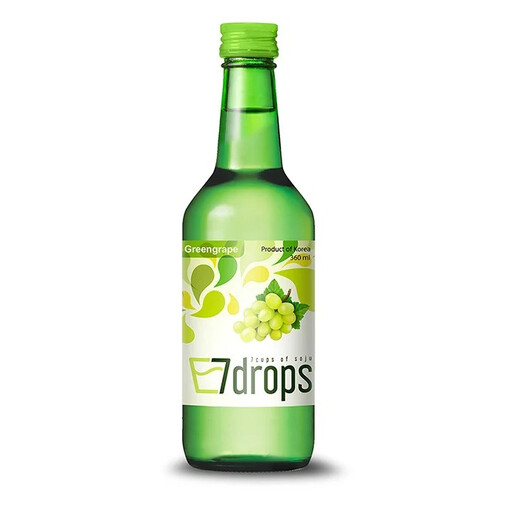
MATCH FOR: Social Beginners & K-Culture Fans
Why This Fits Their Persona: Perfect for young adults and the curious who have discovered soju through K-pop and Asian trends and are looking for an approachable, fruity drink for parties or Korean BBQ.
How It Avoids the Trap
This product is clearly labelled as a flavoured soju. It avoids the "authenticity trap" by not pretending to be a traditional, pure spirit, instead openly showcasing its modern, adapted character.
Key Advantage & Pros
Low Alcohol Content: At 12% ABV, it's light and easy-drinking.
Refreshing Taste: The crisp green grape flavour makes it highly approachable.
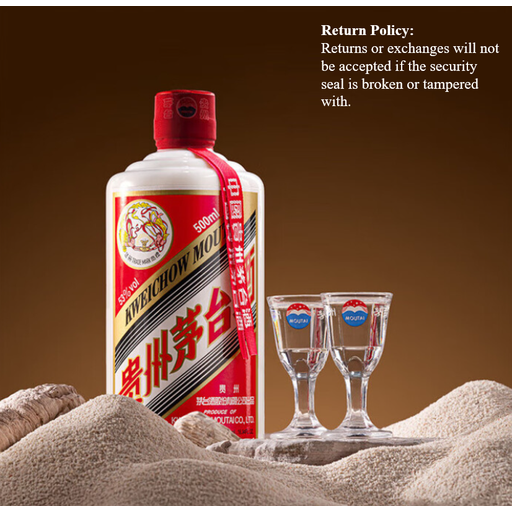
MATCH FOR: The Sophisticated Connoisseur
Why This Fits Their Persona: For spirits lovers who want to discover one of the world's most renowned liquors. Anyone planning to **buy Moutai** is seeking a complex, historic, and unadulterated drinking experience.
How It Avoids the Trap
Moutai is the prime example of a product that avoids the trap of unclear origins. As China's national spirit with a protected designation of origin, it represents maximum authenticity and quality.
Key Advantage & Pros
Unique Aroma: The famous "sauce aroma" is complex with notes of soy, fruit, and grain.
High Alcohol Content: At 53% ABV, it is powerful and intense.
Looking for More Options?
We have compiled a complete, up-to-date list of products that fully meet these strict selection criteria and local regulations.
Frequently Asked Questions (FAQ)
What is the difference between Soju, Sake, and Baijiu?
Although all three are often generically referred to as "rice wine," they are very different.
- Soju: A Korean spirit that is usually distilled. Traditionally made from rice, it's now often produced from sweet potatoes, barley, or tapioca. The taste is rather neutral, and the alcohol content varies (approx. 16–45% ABV).
- Sake: A Japanese brewed beverage made from polished rice, water, yeast, and koji mould. The process is similar to brewing beer. Its flavour is complex, and the alcohol content is typically 15–20% ABV.
- Baijiu: A Chinese spirit distilled mainly from sorghum, but also from rice, wheat, or corn. It is known for its strong, often unique aroma and high alcohol content (40–60% ABV).
How do you drink Makgeolli correctly?
Makgeolli is an unfiltered, milky rice wine with sediment at the bottom. Before opening, the bottle should be gently swirled or inverted to distribute the sediment evenly. Avoid vigorous shaking, as it is often lightly carbonated. It is served well-chilled, traditionally in small bowls.
Can you also drink Shaoxing cooking wine?
That depends on the product. Genuine, high-quality Shaoxing rice wine without added salt (like the 10-year-old version recommended above) can and should be enjoyed neat, often gently warmed. However, products explicitly labelled as Shaoxing cooking wine almost always contain salt and are intended exclusively for seasoning food. A look at the ingredients list provides clarity: if salt is listed as a primary ingredient, it is not suitable for drinking.