
Lieferung heute & morgen

Qualitätsgarantie

Willkommens-Angebote freischalten: KOSTENLOSE Lieferung | Bis zu 80 % RABATT | Kostenlose 30-Tage-JoyPlus-Testphase
App herunterladen
The diverse world of Asian spirits is gaining significant traction. From Korean soju, popularised by pop culture, to traditional Chinese baijiu, the selection is constantly expanding. However, this growing variety also brings uncertainty. Many buyers find that terms like "rice wine" are ambiguous, or that a seemingly light drink turns out to be a high-proof spirit. This guide will help you navigate the most common pitfalls and make an informed choice.
The two most common purchasing mistakes are:
To ensure you find the right product for your needs, two parameters are crucial: the exact spirit category and the alcohol content. This information is typically stated clearly on the label.
Asian spirits can be broadly divided into three groups, and understanding the difference is essential for making the right purchase.
The raw materials used in production are the primary determinant of flavour. While Korean spirits like makgeolli are traditionally made from rice, Chinese spirits like baijiu are often based on sorghum, which gives them an earthy and complex profile.
The alcohol by volume (ABV) is the most direct indicator of strength and recommended consumption:
Here are some recommendations tailored to different use cases and preferences.
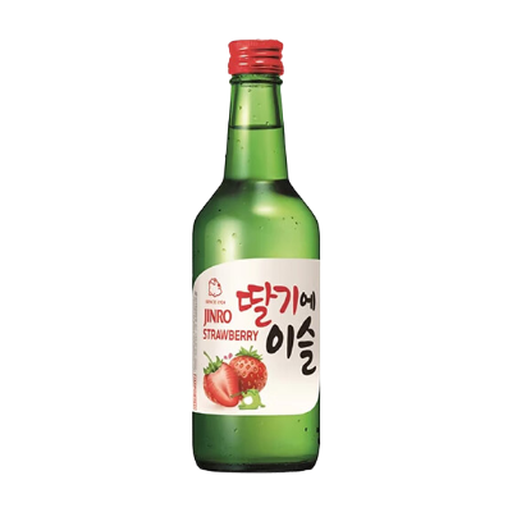
Why This Fits Their Persona: Ideal for anyone introduced to soju through Korean dramas and music. The fruity strawberry flavour and moderate alcohol content make it very approachable and perfect for social gatherings or mixing in drinks.
The clear labelling as "Flavored Soju" with 13% alc. prevents confusion with high-proof, traditional spirits. Its purpose as a light, aromatic beverage is unmistakable.
Pleasantly sweet and refreshing; versatile enough to be enjoyed neat, on the rocks, or as a cocktail base. The Jinro Soju brand is known worldwide for its consistent quality.
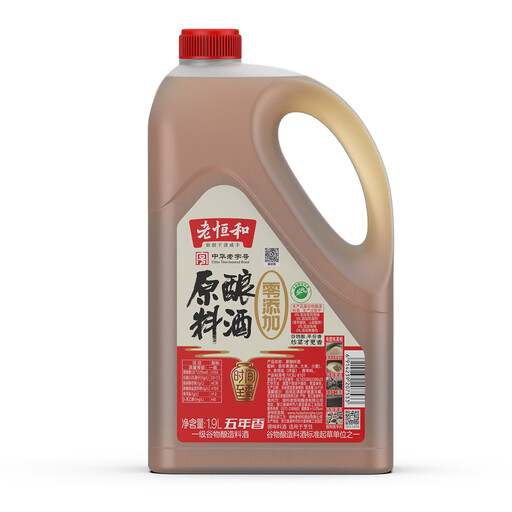
Why This Fits Their Persona: Essential for home cooks aiming to achieve the authentic flavour of dishes like braised pork belly (Hong Shao Rou) or teriyaki. The ageing process imparts a complexity that simpler alternatives cannot match.
The designation as "Cooking Wine" and an ingredient list that often includes salt make it clear that this is purely an Asian cooking wine. This eliminates any confusion with a drinking rice wine.
Aged for five years to develop a deep, nuanced aroma. The large 1.9L bottle offers excellent value for regular use in the kitchen.
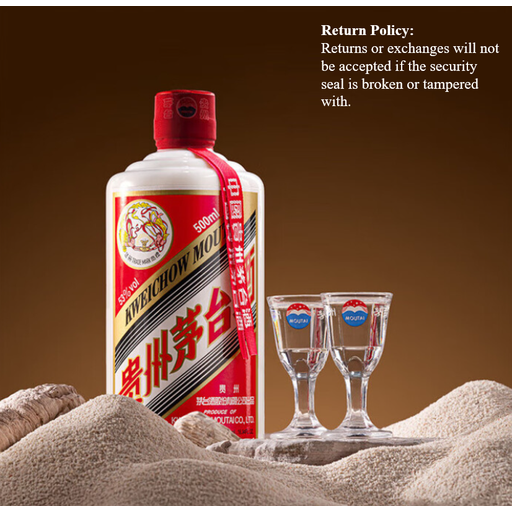
Why This Fits Their Persona: Moutai is an icon among Chinese spirits, often served at state banquets and major celebrations. This product is for collectors and connoisseurs who appreciate a complex spirit steeped in history.
The high alcohol content of 53% alc./vol. and the description of its distinct "sauce aroma" clearly signal that this is a sophisticated baijiu. It is not a drink for casual sipping but a spirit for connoisseurs.
Made from sorghum and wheat, it offers a multi-layered flavour profile with notes of baked goods, fruits, and dried botanicals. According to the manufacturer, it is distilled using traditional methods.
We have compiled a complete, up-to-date list of products that fully meet these strict selection criteria and all relevant regulations.
Soju is traditionally enjoyed neat and well-chilled from small glasses. In South Korea, mixing it with beer, a drink known as "Somaek," is also very popular. Fruity soju varieties also work well as a base for cocktails with soda water or fruit juices.
The term "rice wine" is very broad. A typical Chinese rice wine, like Shaoxing wine, is often amber-coloured, has a robust flavour, and is used primarily for cooking (frequently with added salt). In contrast, a typical Korean rice wine, like makgeolli, is a milky, cloudy, slightly sweet, and carbonated beverage with a low alcohol content, enjoyed as a refreshing drink.
It is generally not recommended. Many Asian cooking wines, especially those from China, contain a significant amount of salt to classify them as a food product rather than an alcoholic beverage and to optimise the flavour for culinary use. The taste would be very unpleasant on its own. For direct consumption, always choose products explicitly labelled as drinking wines or spirits.