
Lieferung heute & morgen

Qualitätsgarantie

Willkommens-Angebote freischalten: KOSTENLOSE Lieferung | Bis zu 80 % RABATT | Kostenlose 30-Tage-JoyPlus-Testphase
App herunterladen
As your Joybuy Product Recommendation Officer, I'm here to help you navigate the diverse world of Asian alcoholic beverages. The goal is to provide you with objective information so you can make an informed choice that meets your expectations, rather than falling for marketing hype.
Finding authentic Asian spirits can be a challenge. The selection is vast, but appealing bottles and vague descriptions often conceal products that don't live up to their promise. To avoid disappointment, it's important to know the most common pitfalls.
To make a suitable selection, you should check three fundamental criteria. These will help you objectively evaluate the quality and character of a spirit.
The base raw material used is the primary determinant of the drink's character.
With Baijiu in particular, the aroma profile is crucial for the taste experience. Understanding the main categories helps in making a suitable choice.
The alcohol content gives a clear indication of the recommended way to enjoy it.
Here you'll find a selection of products tailored to specific needs and taste profiles.
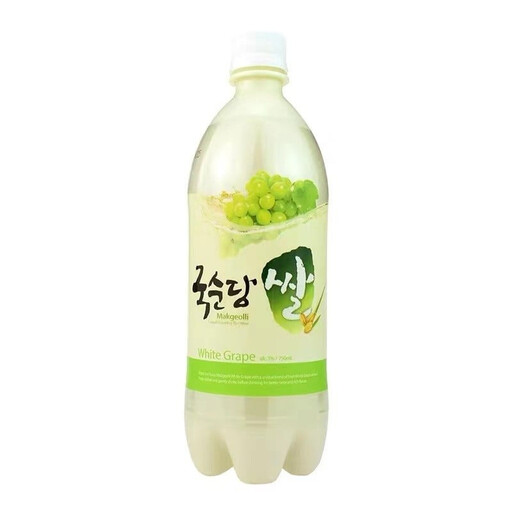
Why This Fits Their Persona: Ideal for anyone looking for a light and accessible entry into the world of Asian alcoholic beverages. The combination of traditional rice wine and the sweet aroma of white grapes is refreshing and straightforward.
The product is clearly declared as a flavoured rice wine. This prevents false expectations; the buyer knows they are getting a modern, fruity drink, not a complex, traditional spirit.
Low alcohol content, slightly sweet, and effervescent. Best served chilled.
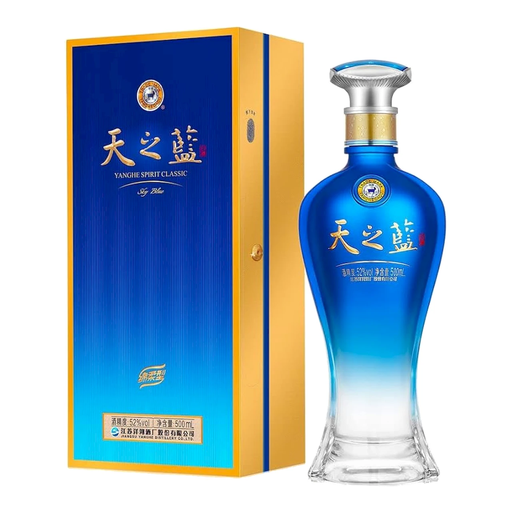
Why This Fits Their Persona: For connoisseurs seeking a representative and high-quality Baijiu that embodies the popular "Strong-Aroma" style. An excellent choice for festive occasions or as a gift for business partners.
You are specifically investing in a renowned brand with a clearly defined "Strong-Aroma" profile. This avoids the mistake of buying an expensive Baijiu whose taste does not match your preferences.
Balanced and smooth taste despite the high alcohol content. Complex aromas of stone fruit, honey, and spices.
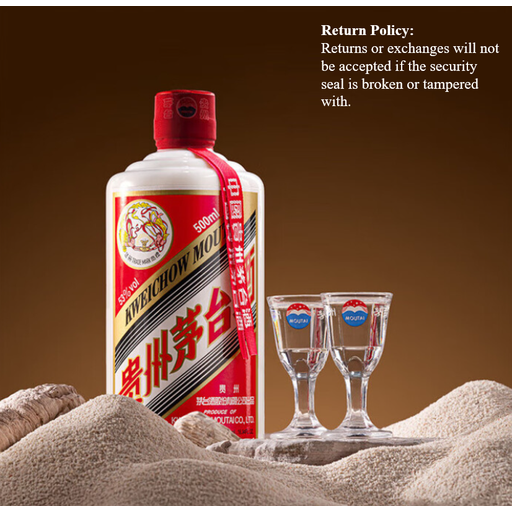
Why This Fits Their Persona: For those seeking the most prestigious and famous example of a Chinese spirit. Moutai is not just a spirit but a cultural asset and status symbol, served at major national and diplomatic events.
You are acquiring the undisputed benchmark for "Sauce-Aroma" Baijiu. Instead of paying an inflated price for a lesser-known brand, you are investing in the original, whose value and prestige are undeniable.
Iconic "Sauce-Aroma" profile with extreme complexity. High prestige and potential as a collector's item.
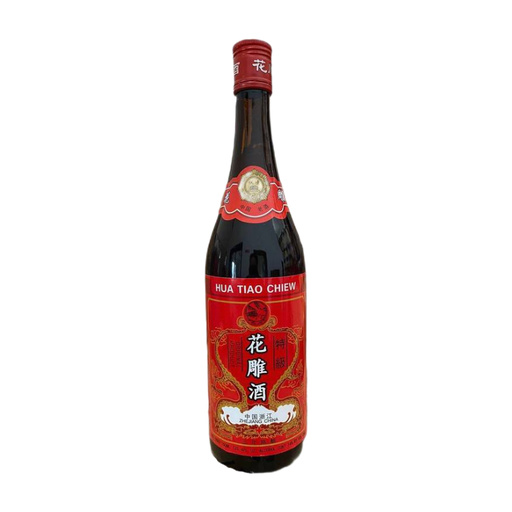
Why This Fits Their Persona: Essential for anyone who wants to prepare authentic Chinese dishes. This wine imparts the characteristic depth and aroma to dishes like braised pork belly or "Drunken Chicken." It can also be enjoyed slightly warmed as a drink.
You avoid the mistake of using a generic "cooking wine" that can distort the flavour. This product is an authentic Shaoxing wine, which is crucial for the success of many recipes.
Versatile for both cooking and drinking. Lends dishes a complex, salty-sweet umami note.
We have compiled a complete, real-time list of products that fully satisfy these strict selection criteria and UK safety regulations.
Traditionally, Baijiu is drunk neat at room temperature from very small glasses (approx. 10-20 ml). It is often enjoyed during a meal in a social setting with toasts. Out of respect, hold your glass slightly lower than that of your host or an elder when toasting.
Both originate from Korea but are very different. Soju is a clear, distilled spirit with a relatively high alcohol content (typically 16-25%), similar to vodka. Makgeolli is an unfiltered, milky-white, fermented rice beverage. It is slightly sweet, effervescent, and has a low alcohol content (approx. 6-8%).
No, Shaoxing wine can also be enjoyed as a drink. In China, high-quality Shaoxing wine is often served slightly warmed, similar to sake in Japan. Its flavour is complex, ranging from nutty to slightly salty-sweet, making it an interesting accompaniment to rich dishes.