
Lieferung heute & morgen

Qualitätsgarantie

Willkommens-Angebote freischalten: KOSTENLOSE Lieferung | Bis zu 80 % RABATT | Kostenlose 30-Tage-JoyPlus-Testphase
App herunterladen
The world of Asian spirits is diverse and fascinating, but the growing selection can quickly become overwhelming. From Chinese rice wine to Korean soju, the differences are often subtle but crucial to the experience. Many buyers invest in a bottle only to find it's unsuitable for its intended purpose. This guide will help you avoid the most common pitfalls and make an informed decision.
Before choosing a product, it's helpful to understand the typical misconceptions that often lead to a purchase mistake.
To make the right choice, focus on a few essential characteristics. These will help you correctly interpret product descriptions.
The most fundamental distinction is the intended application.
The production method provides crucial clues about a beverage's character.
Here are some recommendations tailored to specific use cases and preferences.
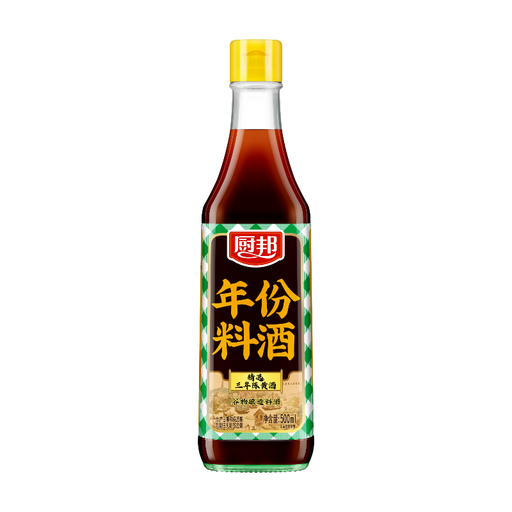
Why This Fits Their Persona: This product is an essential foundation for anyone wanting to prepare authentic Chinese dishes. It is specifically designed for kitchen use to round out the flavours of marinades, braises, and stir-fries.
It is clearly labelled as a cooking wine and contains salt and spice extracts. This prevents confusion with a drinking wine and ensures it performs its function in the kitchen optimally.
According to the manufacturer, it consists of 87% rice wine and is enriched with spices to remove odours from meat and fish and deepen the aroma.
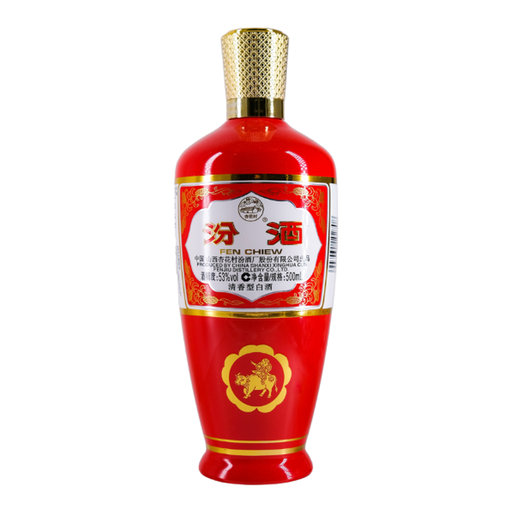
Why This Fits Their Persona: For lovers of characterful spirits who want to discover one of China's most significant liquors. This Baijiu is suitable for sipping neat to explore its complex flavour profile.
The description as a "light aroma" Baijiu provides a clear indication of the flavour profile. This helps you make an informed choice and avoid being surprised by an unexpectedly intense taste.
Made from sorghum, barley, and peas, it offers a multi-layered aroma with notes of caramel, tropical fruits, and spices. The alcohol content of 53% ABV ensures an intense experience.
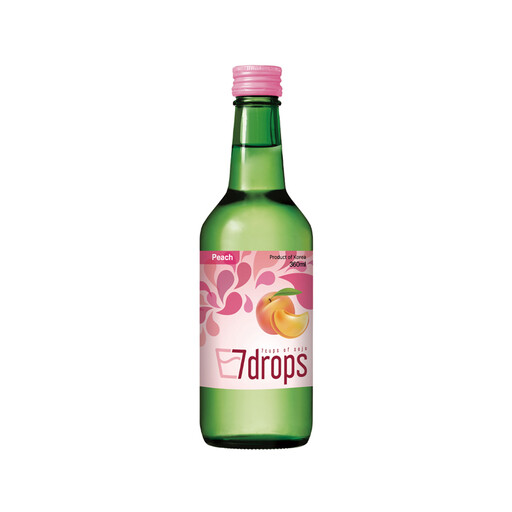
Why This Fits Their Persona: Ideal for beginners and fans of Korean pop culture who want to try the popular soju trend. The peach note makes it particularly approachable and refreshing.
As a flavoured soju, it's a modern variation that differs from traditional, unflavoured soju. This prevents buyers from expecting a harsh taste where a fruity one is intended.
The moderate alcohol content of 12% ABV and the clear peach flavour make it versatile: neat, on ice, or as a base for simple cocktails.
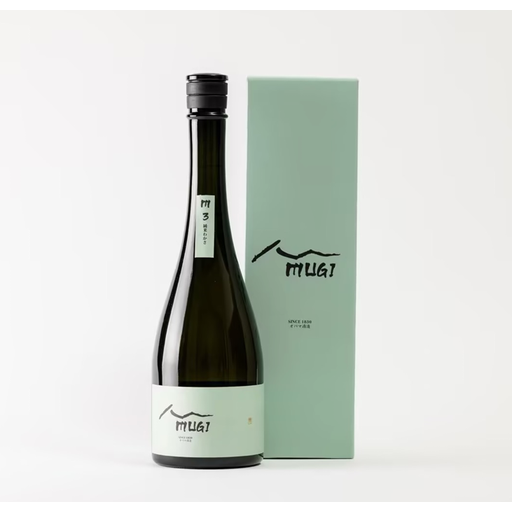
Why This Fits Their Persona: This sake is aimed at purists and connoisseurs seeking a pure, unadulterated rice wine flavour. It is an excellent accompaniment to sushi or light dishes.
The classification as Junmai ensures that no additional alcohol has been added. This guarantees an authentic taste experience that comes directly from the rice and fermentation.
Made from the Gohyakumangoku rice variety, known for a light, crisp, and dry taste. The rice polishing ratio of 65% contributes to its refreshing character.
We have compiled a complete, up-to-date list of products that fully meet these strict selection criteria and local regulations.
1. What is the difference between Chinese cooking wine and Shaoxing drinking wine? The main difference lies in the salt content and purpose. Chinese cooking wine (liaojiu) contains salt and is intended exclusively for cooking to season dishes. Shaoxing wine is available as both a cooking wine and a high-quality drinking wine. Drinkable Shaoxing wine is unsalted, has a complex, nutty aroma, and is often enjoyed as an aperitif or digestif, sometimes slightly warmed.
2. What is the proper way to drink soju or sake?Korean soju is traditionally drunk neat and chilled in small glasses, often accompanying Korean barbecue. Flavoured varieties are also popular with a younger audience and are enjoyed neat or in simple mixed drinks. Japanese rice wine (sake) can be drunk chilled, at room temperature, or warmed, depending on the type and personal preference. High-quality sake like Junmai Ginjo or Daiginjo is usually served chilled to preserve its delicate aromas.
3. What is Baijiu and what does it taste like?Baijiu spirit is China's national spirit and is mostly distilled from sorghum. The taste is very intense and often unfamiliar to the Western palate. It cannot be easily compared to vodka or gin. The aromas range from sweet and fruity ("light aroma") to earthy and reminiscent of soy sauce ("sauce aroma") to very strong and complex ("strong aroma"), depending on the category. It is traditionally drunk at room temperature in small sips.