
Lieferung heute & morgen

Qualitätsgarantie

Willkommens-Angebote freischalten: KOSTENLOSE Lieferung | Bis zu 80 % RABATT | Kostenlose 30-Tage-JoyPlus-Testphase
App herunterladen
The variety of Asian spirits in online shops is constantly growing. From Korean soju, popularised by pop culture, to essential Chinese cooking wine for authentic dishes—the selection can be overwhelming. But not every product with an exotic-sounding name lives up to its promise. Many buyers invest in a bottle only to find it's unsuitable for their intended purpose or a disappointment in taste.
As your Joybuy Product Recommendation Officer, I'll help you spot the common pitfalls and make an informed decision. We'll focus on the facts so you can find exactly what you need for your kitchen or your moment of enjoyment.
Two common problems lead to poor purchases:
To avoid disappointment, you should check three core aspects before buying. These will help you separate the quality from the hype and choose a product that serves its purpose.
The most important distinction is between products for cooking and those for drinking.
A look at the ingredient list quickly reveals a product's quality.
The alcohol content is a good indicator of the intended use.
A designation like "5-Year Aged" on a Shaoxing wine is a clear mark of quality. Ageing in clay pots breaks down harsh notes and develops a complex, smooth aroma that is absent in young, unaged products.
Here are some recommendations tailored to specific needs and use cases.
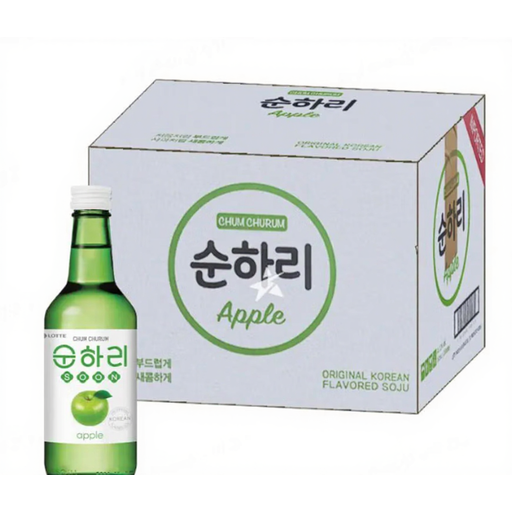
Why This Fits Their Persona: Ideal for anyone who has become curious through Korean dramas and wants to buy soju. This drink is intentionally designed as a modern, approachable version, making it perfect for social gatherings.
This product bypasses the 'authenticity' trap by clearly positioning itself as a flavoured soju. It doesn't promise a traditional taste, but rather a light and fruity one.
The lower alcohol content of 12% ABV and the mild apple flavour make it very accessible. It is made with alkaline water, which the manufacturer claims provides a smoother mouthfeel.
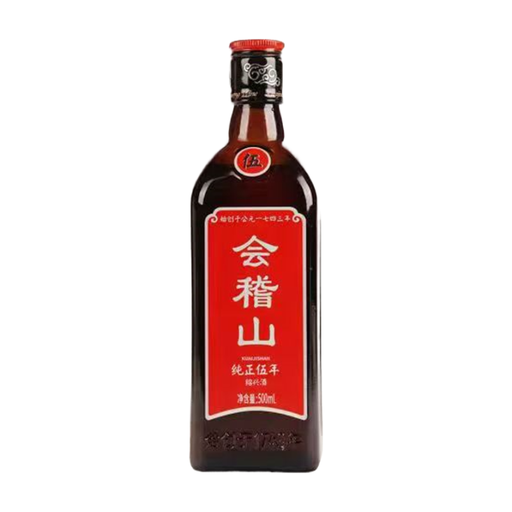
Why This Fits Their Persona: For home cooks who want to authentically prepare dishes like braised pork belly (Hong Shao Rou) or Dongan chicken. This wine is a standard ingredient in high-end Chinese cooking.
It solves the problem of unclear purpose by being explicitly a Chinese cooking wine. The ageing statement is a genuine quality mark, not an empty marketing phrase.
The base wine is aged for five years, resulting in a rich, mellow aroma. It is traditionally brewed with water from Jianhu Lake, glutinous rice, and wheat.
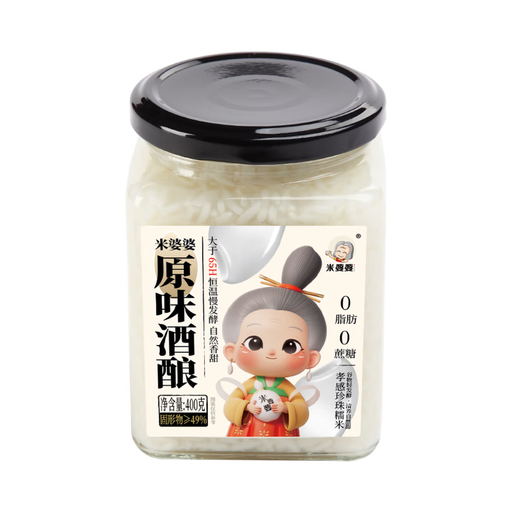
Why This Fits Their Persona: Perfect for those who want to prepare traditional Chinese desserts like Jiuniang Tangyuan (glutinous rice balls in sweet rice wine soup) or enjoy a mild, sweet drink.
This product is a traditionally fermented sweet rice wine, with its sweetness derived naturally from the conversion of rice starch. It avoids the trap of hidden sugars and artificial flavours.
It consists of just three ingredients: glutinous rice (≥50%), water, and sweet rice yeast. It is versatile and can be used directly as a dessert or as a cooking ingredient.
We have compiled a complete, up-to-date list of products that fully meet these strict selection criteria and comply with local regulations.
The main difference lies in the flavour profile and use. Chinese cooking wine like Shaoxing is typically salty and used in savoury dishes to tenderise meat and deepen the flavour. Mirin, a Japanese sweet rice wine, is sweet and often used for glazes (e.g., in teriyaki), in sauces, or to sweeten dishes. A mirin alternative is often not a fermented product but a seasoned liquid with added sugar and should not be confused with true hon-mirin.
Yes, but with caution. Traditional, unsweetened soju with an alcohol content of around 20% ABV can be used in some Korean recipes to neutralise strong odours from meat or fish, similar to vodka. Fruity, sweetened soju varieties are unsuitable for this. Their high sugar content would caramelise during cooking and undesirably alter the dish's flavour.
An opened bottle of Shaoxing wine should always be sealed tightly. Due to its salt and alcohol content, it is quite stable and does not necessarily need to be stored in the refrigerator. A cool, dark place like a pantry is sufficient. Although it will last for months, its aroma can slowly diminish over time. It is therefore recommended to use it within a few months.