
Lieferung heute & morgen

Qualitätsgarantie

Willkommens-Angebote freischalten: KOSTENLOSE Lieferung | Bis zu 80 % RABATT | Kostenlose 30-Tage-JoyPlus-Testphase
App herunterladen
The world of Asian spirits is diverse and fascinating, but the growing selection can also lead to uncertainty. Anyone looking to buy soju for the first time or seeking an authentic Chinese liquor often faces a daunting array of options. Mismatched expectations about taste or alcohol content can quickly lead to a disappointing purchase. This guide will help you navigate the most common pitfalls and find the perfect spirit for any occasion.
A common point of confusion is the difference between cooking wines and drinking wines. Many Asian cooking wines contain salt and are not meant for sipping. Another factor is the often-unexpected character of the spirit itself. A mild, sweet makgeolli is fundamentally different from a high-proof baijiu, even though both might be perceived as an "Asian wine" or spirit at first glance.
To make the right choice, it helps to understand three basic parameters. These characteristics are key in determining the flavour experience and intended use.
The foundation of any spirit shapes its character. The distinction is crucial:
The alcohol content is a direct indicator of the intensity and the right occasion:
Many Asian rice wines are essential ingredients in the kitchen. A Shaoxing wine for cooking is specially seasoned and often contains added salt to intensify flavours in dishes. These are generally not suitable for drinking. In contrast, high-quality, aged Shaoxing wines can be used for elevated cooking and also enjoyed neat, often slightly warmed. Therefore, pay close attention to the product description to distinguish between a pure cooking wine and a more versatile product.
Based on these criteria, we have selected a few products for different profiles and use cases.
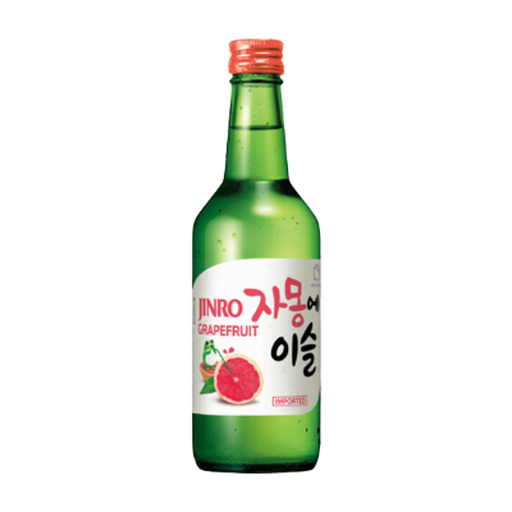
Why This Fits Their Persona: Ideal for anyone whose curiosity about Korean alcohol was sparked by K-dramas or K-pop. The fruity flavour and moderate alcohol content make for an easy and approachable introduction.
The clear labelling as a flavoured soju at 13% ABV prevents the surprise of a taste that's too strong or purely traditional. You get exactly what you expect: a light, fruity drink.
A refreshing grapefruit flavour that shines neat, on the rocks, or as a base for simple cocktails. Lower alcohol content than classic soju.
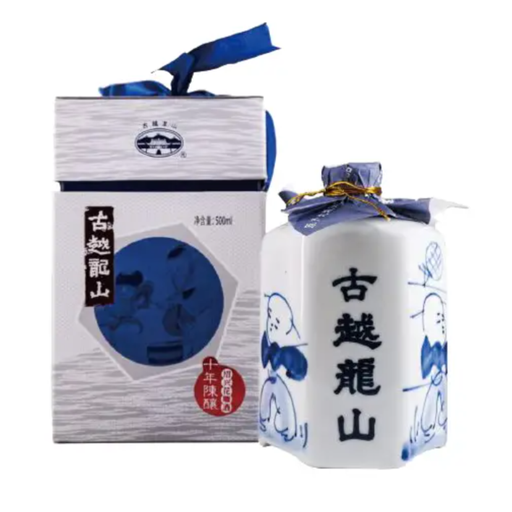
Why This Fits Their Persona: For home cooks aiming to achieve the authentic flavour of Chinese dishes like braised pork belly (Hong Shao Rou). Its 10-year aging process provides a depth that simple cooking wines can't offer.
This product bypasses the 'cooking wine only' trap. Thanks to its high quality and lack of added salt, this Shaoxing wine can be used for cooking and also enjoyed as an aperitif.
Aged for 10 years in earthenware jars for a complex, nutty aroma. Versatile and elevates the quality of any dish.
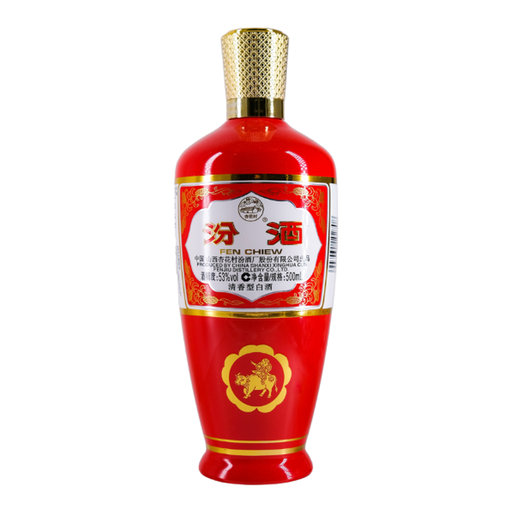
Why This Fits Their Persona: For seasoned spirit enthusiasts looking for an alternative to whisky or gin and who are ready for the intense flavour profile of an authentic baijiu. A classic example of the 'light aroma' style.
The high alcohol content of 53% ABV is clearly stated, targeting connoisseurs. This prevents a newcomer from accidentally buying a high-proof spirit when expecting a milder drink.
Made from sorghum, barley, and peas for a mild, sweet, and long-lasting aroma. Offers complex notes of caramel, tropical fruits, and spices.
We've curated a complete, up-to-date list of products that meet these strict selection criteria.
Although all three are popular Asian beverages, they are fundamentally different. Soju is a clear, distilled Korean spirit, comparable to vodka but typically milder in alcohol content. Sake is a Japanese rice wine made through fermentation, which can be clear or slightly cloudy. Makgeolli is a Korean rice wine, also fermented, but is unfiltered, cloudy, and often slightly sweet and sparkling.
Yes, but it depends on the quality. Inexpensive Shaoxing cooking wine often contains salt and is not meant for drinking. However, a high-quality, aged Shaoxing wine like a "10-Year Aged" is a delicacy that can be sipped neat (often slightly warmed) and has a complex, sherry-like aroma.
Most distilled spirits like baijiu and soju should be stored upright in a cool, dark place. They have a long shelf life after opening. Fermented beverages like makgeolli must generally be refrigerated and consumed quickly after opening, as they can continue to ferment. Always follow the storage instructions on the manufacturer's label.