
Lieferung heute & morgen

Qualitätsgarantie

Willkommens-Angebote freischalten: KOSTENLOSE Lieferung | Bis zu 80 % RABATT | Kostenlose 30-Tage-JoyPlus-Testphase
App herunterladen
As a Joybuy Product Recommendation Officer, I often see well-intentioned cooking attempts fail because of one simple ingredient: sugar. The confusion is particularly widespread when it comes to the vast array of Asian sweeteners. Anyone wanting to prepare authentic dishes or enjoy specialty confections faces challenges that go beyond the offerings of a typical supermarket. This guide is designed to help you find the right products for your needs and sidestep common pitfalls.
A frequent issue is having the wrong expectations for a product. Many shoppers reach for "brown sugar" from their local store and are disappointed when the flavour doesn't match that of authentic Hong Tang (Chinese brown sugar). Another pitfall is using the wrong type of sugar for specific preparations, which can negatively affect a dish's texture and clarity. Finally, even supposedly traditional Asian sweets can contain hidden additives that don't meet expectations.
To ensure you get the right sweetener for your project, you should check two or three core features. These will help you separate the wheat from the chaff and identify the products best suited for your recipes or moments of indulgence.
Not all sugar is created equal. The production method is a key determinant of flavour, colour, and application.
The shape and size of the sugar crystals are important for the success of a recipe.
To make your decision easier, we have selected a few products from our range and matched them to typical user profiles.
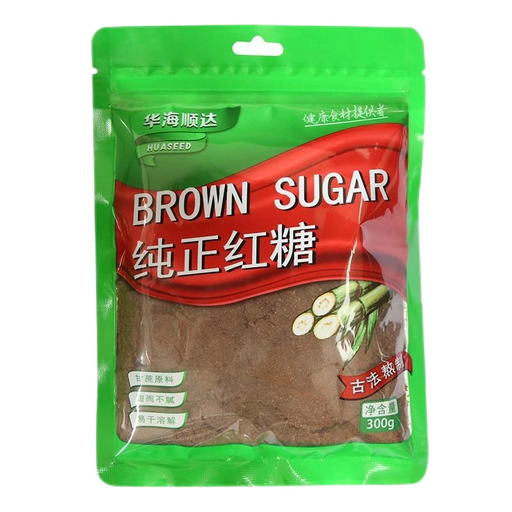
Why This Fits Their Persona: This product delivers the authentic, molasses-rich flavour of Hong Tang, which is essential for traditional dishes like ginger tea, red bean soup, or braised meats. It is the foundation for the genuine taste of many Chinese specialties.
Unlike coloured white sugar, this is genuine, unrefined brown sugar that provides the complex, caramel flavour typical of Asian cuisine.
Rich, molasses-like flavour; fine texture that dissolves well.
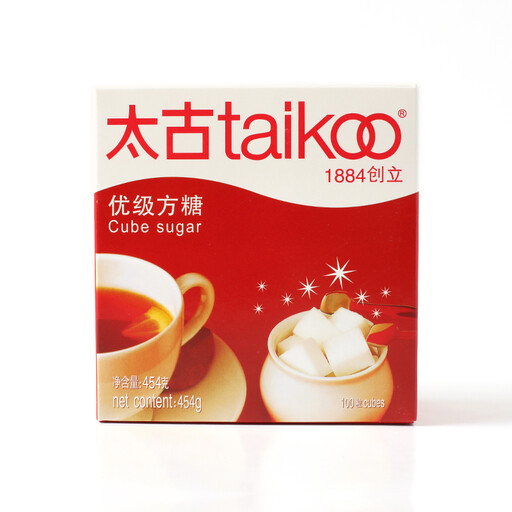
Why This Fits Their Persona: For daily coffee or tea, this cube sugar is a clean and convenient solution. The cubes are uniformly shaped and guarantee consistent sweetness without the hassle of measuring with a spoon.
It dissolves quickly and completely in hot beverages without leaving residue or altering the flavour, which can be an issue with some coarse or low-quality sugars.
Precise and easy portioning; fast, residue-free solubility.
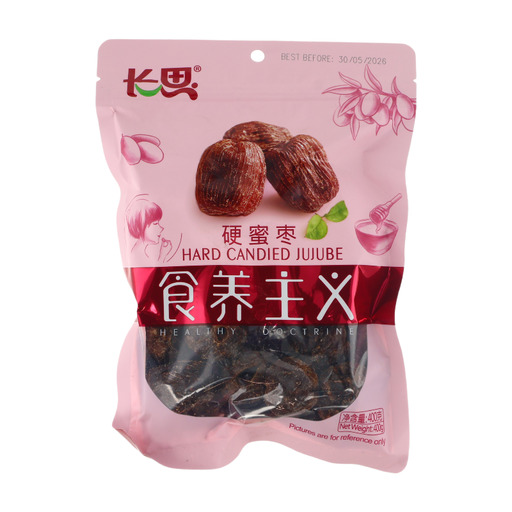
Why This Fits Their Persona: For anyone seeking an authentic snacking experience, these candied jujubes (red dates) offer a traditional Chinese treat. They are sweet, crunchy, and individually wrapped—ideal for on-the-go or as a special accompaniment to tea.
This product uses real Jinsi jujubes and a clear ingredient list (jujube, sugar, salt), ensuring an authentic and unadulterated taste instead of relying on artificial flavours or fillers.
Authentic flavour; individually wrapped for freshness and convenience.
We have compiled a complete, up-to-date list of products that meet these strict selection criteria and quality standards.
1. What is the difference between Western brown sugar and Chinese Hong Tang? Western brown sugar is typically refined white sugar that has been coloured with molasses syrup. It often has a moist, sandy texture. Hong Tang, on the other hand, is an unrefined or partially refined cane sugar that retains some of its molasses during the production process. This gives it a more complex, caramel-like flavour that is characteristic of many Asian dishes.
2. What is rock sugar used for in Asian cuisine?Rock sugar is used in many ways. Monocrystalline (clear) rock sugar is often used to sweeten teas (e.g., chrysanthemum tea), soups, and desserts because it provides a pure sweetness with no aftertaste. Larger, polycrystalline (yellowish) rock sugar dissolves more slowly and is ideal for braised dishes like "Hong Shao Rou" (red-braised pork belly), as it gives the dish a mild sweetness and an appetising glaze over the long cooking time.
3. Are candied jujubes a sweet or a functional snack?Candied jujubes are primarily a traditional sweet. They are made from red dates (jujubes) that are preserved in sugar and dried. While jujubes are considered nutritious in traditional Chinese culture, the added sugar makes the final product a confection that should be enjoyed in moderation. They are a popular snack for in-between meals or as a sweet complement to a cup of tea.