
Lieferung heute & morgen

Qualitätsgarantie

Willkommens-Angebote freischalten: KOSTENLOSE Lieferung | Bis zu 80 % RABATT | Kostenlose 30-Tage-JoyPlus-Testphase
App herunterladen
The world of Asian sweets is diverse and fascinating—from soft, chewy mochi to refreshing jelly desserts. But the growing selection available can also be overwhelming. It's not uncommon for a purchase to lead to disappointment because the product doesn't meet expectations. To help you confidently find the perfect treats, we, as Joybuy Product Recommendation Officers, have identified the most common pitfalls and will show you what really matters when making your choice.
To avoid disappointment, you should check two key aspects before buying. These will help you correctly assess the quality and type of sweet.
The unique textures are the heart and soul of many Asian desserts. The main ingredient tells you what to expect:
Pay close attention to the storage instructions to enjoy the product as intended:
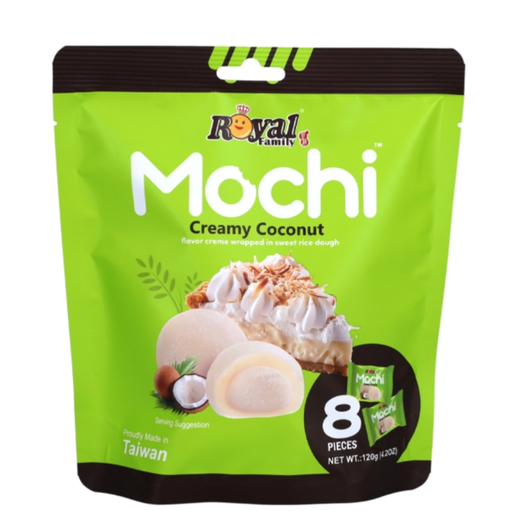
Why This Fits Their Persona: An ideal introduction to the world of coconut mochi. The texture is classically soft, and the creamy coconut filling offers a familiar yet exotic flavour. As it's shelf-stable and ready to eat, there are no preparation hurdles.
The texture is clearly declared as a soft glutinous rice cake based on glutinous rice flour (75%). This sidesteps the "Texture Trap," as the buyer knows exactly what to expect.
No preparation required; ready to enjoy immediately. The combination of soft dough and a creamy filling is very approachable.
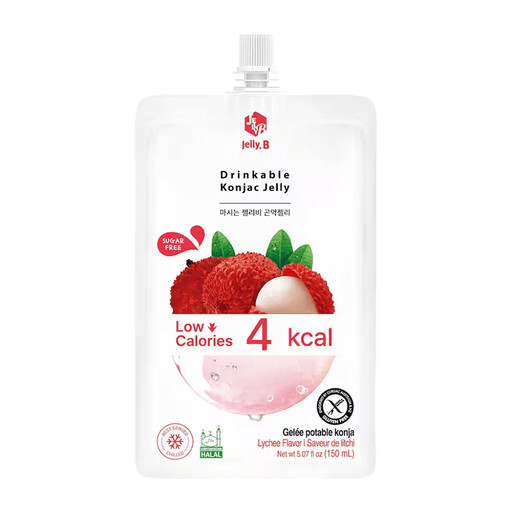
Why This Fits Their Persona: For anyone looking for a guilt-free sweet snack. This drinkable jelly dessert made from konjac is a popular choice among Korean snacks. It's extremely low in calories and refreshing, making it an ideal light snack.
It bypasses the "Ingredient Surprise" through transparency: the nutritional information shows just 4 kcal per 150ml serving. The focus is clearly on a light treat without hidden sugar.
A practical, resealable squeeze pouch makes it perfect for on the go. The firm jelly texture provides a satisfying mouthfeel.
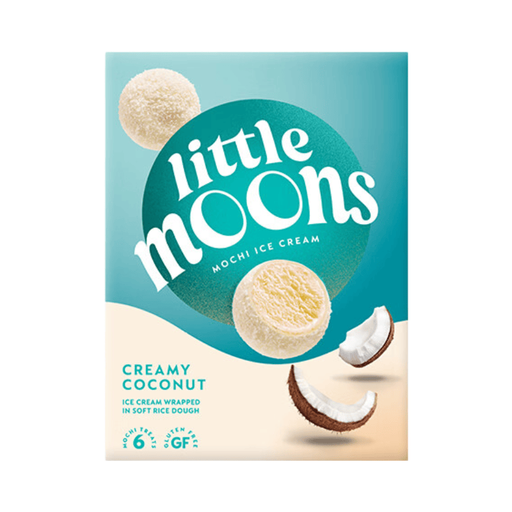
Why This Fits Their Persona: For those seeking a modern yet authentic frozen dessert. This mochi ice cream combines the chewy glutinous rice dough shell with a creamy coconut ice cream filling. A perfect choice for a special treat.
Here, the "Storage Hurdle" becomes a key quality feature. As a frozen product, the correct handling is clearly defined, which ensures the unique combination of soft dough and frozen cream is preserved.
Offers an exciting textural experience with the contrast between chewy dough and melting ice cream. The ingredient list, including whole milk and cream, points to a high-quality, creamy product.
We have compiled a complete, up-to-date list of products that fully meet these strict selection criteria and all safety regulations.
A traditional mochi is a glutinous rice cake served at room temperature, often filled with a sweet paste (like red bean or sesame). Mochi ice cream, on the other hand, is a modern variation where a thin layer of mochi dough envelops a scoop of ice cream. It is a frozen product and must be kept in the freezer.
Always check the instructions on the packaging. As a general rule:
That depends heavily on the product. Konjac jelly in its pure form is almost calorie-free and is often offered in sugar-free or low-calorie versions, making it a very light option. The nata de coco cubes themselves are also high in fibre and low in calories, but they are typically sold in a sugary syrup. Therefore, the total calorie count of the dessert is largely determined by the syrup. It's always a good idea to check the nutrition facts label.