
Lieferung heute & morgen

Qualitätsgarantie

Willkommens-Angebote freischalten: KOSTENLOSE Lieferung | Bis zu 80 % RABATT | Kostenlose 30-Tage-JoyPlus-Testphase
App herunterladen
The world of Asian sweets is diverse and fascinating, but the vast selection can be overwhelming. Those searching for authentic flavors online often face the challenge of making the right choice from countless options. Packaging that promises exotic fruits might only contain artificial flavors, and texture descriptions often raise more questions than they answer. As your Joybuy Product Recommendation Officer, I'll help you avoid common pitfalls and find products that meet your expectations.
Two common problems when buying sweets from Asia are:
To avoid disappointment, it's helpful to familiarize yourself with a few basic parameters before buying.
Making an informed choice is the key to enjoyment. Instead of being guided by colorful packaging, you should check two or three core aspects. This ensures you get exactly what you're looking for.
The ingredient list is your most important tool. Pay attention not only to allergens like soy, milk, or nuts, which are common in many Asian confections, but also to the key ingredients that determine flavor and texture.
Texture is just as important as flavor in Asian snacks. Familiarize yourself with common terms to know what to expect:
A look at the product description in a specialized online Asian shop can often provide clarity.
To make your choice easier, we have put together a few products for different preferences and occasions.

Why This Fits Their Persona: Ideal for those who appreciate functional sweets with a traditional background. The flavor is not overly sweet but focuses on a soothing, herbal note with refreshing mint.
The product is clearly positioned as a throat lozenge. The expectation is set from the start for a functional benefit and an herbal-minty flavor, not a pure confection.
Based on a traditional herbal formula with loquat leaf. The reusable metal tin is convenient for on-the-go.
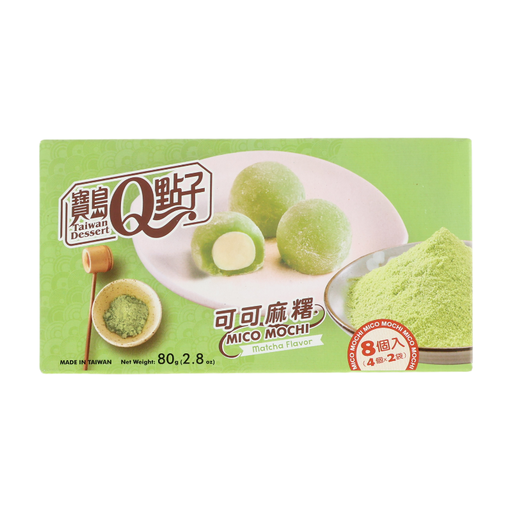
Why This Fits Their Persona: Perfect for anyone wanting to experience the popular mochi texture. This Japanese sweet is ideal for trend-conscious foodies looking for something special that goes beyond conventional gummy bears.
The term "Mochi" in the product name immediately signals the soft, chewy consistency to those in the know. The description as "glutinous rice cake" prevents the surprise of an unexpected texture for newcomers looking to buy mochi.
Combines the traditional Taiwanese mochi texture with modern flavors (matcha and cacao). It's individually wrapped for freshness and easy sharing.
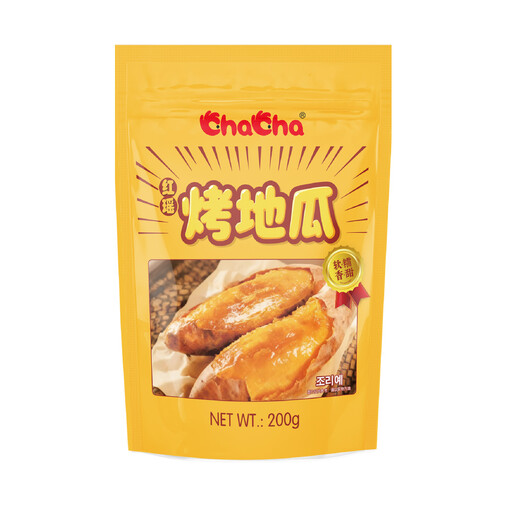
Why This Fits Their Persona: An excellent choice for health-conscious buyers looking for a simple, unprocessed snack. This sweet potato snack offers natural sweetness with no additives.
This product completely avoids the trap of hidden ingredients and artificial flavors. The ingredient list has just one item: sweet potato. The expectation of a natural, earthy flavor is therefore fully met.
Made of 100% sweet potato, with no added sugar, preservatives, or artificial additives. The soft, chewy texture and concentrated sweetness come entirely from the fruit itself.
We have compiled a complete, up-to-date list of products that fully meet these strict selection criteria and applicable regulations.
While there is a lot of overlap, some general trends can be identified. Japanese sweets (Wagashi) often place great emphasis on aesthetics, subtle sweetness, and seasonal ingredients. Mochi and yokan (a red bean jelly) are classic examples. Chinese sweets encompass a broader range of flavor profiles, including sweet-salty combinations like dried plums, nutty bars, and airy pastries like sachima.
Mochi should be stored in a cool, dry place, away from direct sunlight. After opening the package, it is advisable to keep the remaining pieces in an airtight container to prevent them from drying out. Consumption at room temperature is recommended, as the filling will be softer and the texture most pleasant. Storing them in the refrigerator can cause the rice cake to harden.
Yes, many varieties of konjac jelly are lower in calories compared to other confections. The konjac root itself is rich in fiber and contains almost no calories. However, the final calorie count depends on the amount of added sugar or fruit syrup. For example, products like the WANT WANT Konjac Jelly have an energy value of about 89 kcal per 100g, which can make it a lighter snack alternative. It is always wise to check the nutritional information on the packaging.