
Lieferung heute & morgen

Qualitätsgarantie

Willkommens-Angebote freischalten: KOSTENLOSE Lieferung | Bis zu 80 % RABATT | Kostenlose 30-Tage-JoyPlus-Testphase
App herunterladen
The world of Asian tea is incredibly diverse, spanning from traditional varieties to modern, trendy drinks. However, this vast selection can also lead to uncertainty. It's not uncommon for products to fall short of expectations, whether due to artificial flavourings marketed as authentic or impractical DIY kits. This guide will help you identify key quality indicators and make an informed choice.
As a Joybuy Product Recommendation Officer, my role is to filter market information and provide you with objective, practical shopping advice to protect you from common purchasing pitfalls.
Before making a decision, you should be aware of three common issues that can lead to disappointment:
milk tea powder, ingredient lists can be long and confusing. They often conceal large amounts of sugar, hydrogenated fats in non-dairy creamers, or artificial colours that some consumers wish to avoid.make your own bubble tea is appealing. However, some kits prove to be impractical. The instructions can be unclear, the tapioca pearls may not turn out as desired, or additional accessories are required that aren't included in the package.To avoid a bad buy, it's wise to check three core aspects. These will help you objectively assess product quality.
The product's format significantly determines the effort involved and the final taste experience.
milk tea powder in bulk packaging are well-suited for daily use at the office or at home.bubble tea kit offers an experience that comes closest to preparing it in a tea shop. Check if real tea leaves (e.g., in a tea bag) are included. This allows you to control the tea's strength and sweetness. Such kits are ideal for an authentic experience of making your own bubble tea.fruit iced tea, or is the taste based solely on flavourings? A good indicator is the percentage of juice or tea content listed.The quality of the tea base is crucial for the flavour.
Chinese tea (e.g., Oolong, White Tea) or Japanese tea offer the most complex and natural flavours.The diversity of Asia is reflected in the ingredients.
Indian chai is characterized by a clear list of spices like cardamom, ginger, and cinnamon, rather than just an undefined "masala flavouring."Herbal tea from Asia often uses ingredients less common in the West, such as mesona grass or dried rosebuds. These offer a completely new flavour profile.brown sugar bubble tea, the key is whether real brown sugar syrup is used, which provides the characteristic caramel flavour.Here are some recommendations tailored to different needs and preferences.
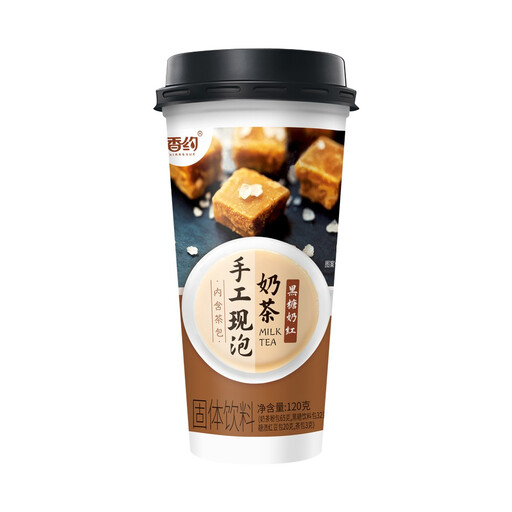
Why This Fits Their Persona: Ideal for anyone who wants to try the brown sugar trend at home without compromising on taste. The kit provides a guided yet authentic preparation experience.
It bypasses the "artificial taste" trap by using a real Da Hong Pao tea bag and the "impractical kit" trap by providing all components, including syrup and toppings.
Freshly brewed tea flavour instead of a simple powder mix; includes toppings (honey red beans) for a multi-layered texture.
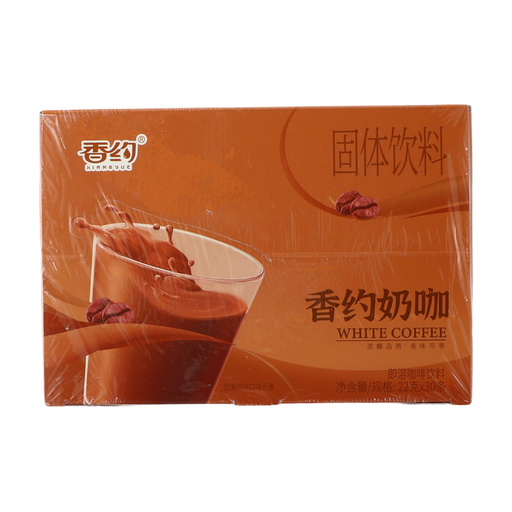
Why This Fits Their Persona: Perfect for daily consumption when time is short. The bulk pack offers great value for money for those who drink milk tea regularly.
This product clearly positions itself as a convenient instant solution. It avoids the trap of false promises by focusing on convenience and quantity rather than suggesting artisanal quality.
Very quick preparation by simply mixing with hot water; the 660g pack is economical for frequent use.
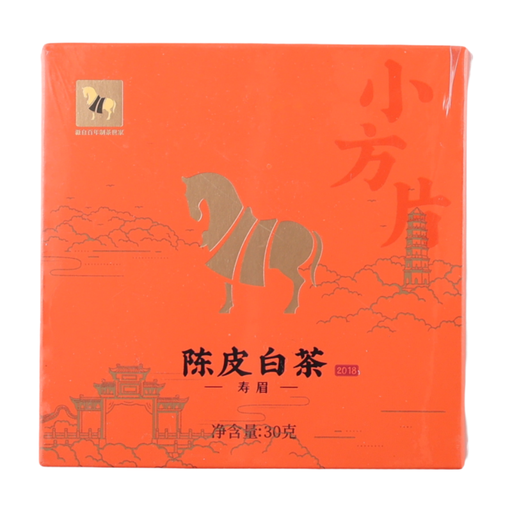
Why This Fits Their Persona: For tea lovers looking to discover a traditional Chinese tea speciality. This blend of aged white tea and dried mandarin peel offers a complex, nuanced taste experience.
This product sidesteps all traps of marketing hype and hidden additives, as it consists of just two pure ingredients: white tea and chenpi. The focus is exclusively on the quality of the raw materials.
Unadulterated, traditional flavour; the tea leaves are suitable for multiple infusions, which makes the tea very economical.
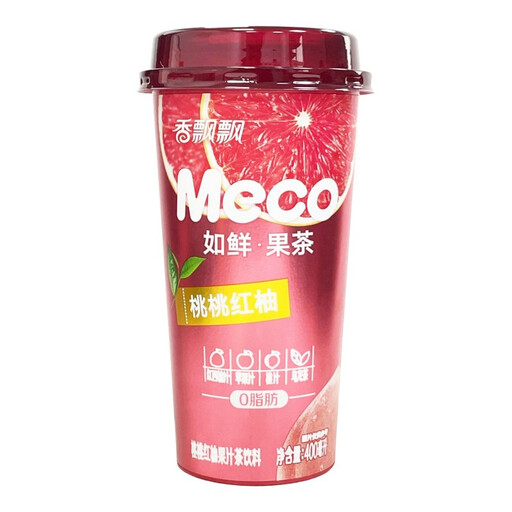
Why This Fits Their Persona: A refreshing, ready-to-drink option for on the go or as an alternative to soft drinks. The combination of oolong tea and real fruit juices offers a balanced, not-too-sweet taste.
By quantitatively declaring the ingredients (e.g., 15.5% peach juice from concentrate, 0.5% oolong tea), it creates transparency and avoids the "flavouring-only" drink trap.
Maximum convenience with no preparation required; balanced flavour from the combination of real tea and fruit juice.
We have compiled a complete, up-to-date list of products that fully meet these strict selection criteria and local regulations.
Preparing with a kit is usually straightforward. Typically, you first cook the tapioca pearls according to the package instructions until they reach the desired soft yet chewy consistency. In parallel, you brew the included tea. Then, mix the tea with the milk tea powder and sugar syrup. Finally, add the cooled pearls, and you can enjoy the drink hot or over ice.
The main difference lies in the sweetener. While classic milk tea is often sweetened with white sugar or simple syrup, brown sugar bubble tea uses a syrup made from brown sugar. This gives the drink a deeper, caramel-like, and slightly smoky flavour note that distinguishes it from other types of milk tea.
Although both serve as infusions, they are based on very different botanical traditions. While chamomile, peppermint, or fennel are common in Europe, herbal tea from Asia uses ingredients like chrysanthemum flowers, goji berries, mesona grass (as in WangLaoJi herbal tea), or dried mandarin peels. These offer unique flavour profiles ranging from floral and sweet to earthy and tart.