
Same-day & Next-day Delivery

Quality Guaranteed

Unlock Your Welcome Offers: FREE Delivery | Up to 80% OFF | Free 30-day JoyPlus trial
Download the APP
Asian teas and instant drinks differ significantly in ingredients, preparation time, sweetness and pack size. Between loose Pu-erh tea, Japanese green tea, Thai tea powder, milk tea and ready-to-drink cans, there are not only flavour differences. Allergens, sugar content and actual yield can also influence your everyday buying decisions.
A product from Thailand, Japan or China does not necessarily contain only ingredients from that country. For example, Instant Thai Tea Mix states that the black tea powder used does not come from Thailand. If you care about a specific origin, you should distinguish between country of production, brand origin and origin of individual ingredients.
Instant milk teas, Masala Chai, Peach Fruit Tea and many herbal drinks contain sugar, sweeteners or both. The Nittoh drink powder PEACH MELTY lists 20 g of sugar per 100 g. According to the product information, CHATTRAMUE 3 in 1 Green Tea Powder contains 66 g of sugar per 100 g. The nutrition table is therefore more important than the flavour description on the front of the pack.
A large bag may seem generous at first, but it can require precise measuring. With portion sticks, the amount per cup is already fixed. The Xiang Yue Milk Tea Wheat Flavor, for example, comes in 30 individual portions of 22 g each. For offices, travel or sharing with several people, this type of packaging can be more practical than an open bag.
Milk tea, Thai tea powder and many bubble tea mixes contain milk powder, whey powder or sodium caseinate. These ingredients are labelled as milk components on the relevant products. If you have a milk allergy or want to avoid milk ingredients, you should read the ingredients list and allergen labelling before purchasing.
A careful check is also advisable for herbal tea. According to the product information, Ranong Tea Derr Chape Herbal Infusion contains senna leaves and senna pods. This product has special instructions regarding the maximum daily amount and the target audience. It should not be regarded as an ordinary tea suitable for everyone.
For occasional enjoyment, 7 to 20 portions may be enough. Heavy users are better off with 30 portions or larger packs, provided the flavour and storage conditions are suitable. With powders, it is also worth checking the recommended water amount. A portion with 150 ml tastes more concentrated than the same amount of powder in 250 ml of water.
For ready-to-drink beverages, the sugar content per 100 ml should be taken into account. Wang Lao Ji Classic Herbal Tea lists 8 g of sugar per 100 ml according to the product information; Huierkang Winter Melon Tea also states 8 g of sugar per 100 ml. Neither drink should therefore be equated with unsweetened Japanese green tea.
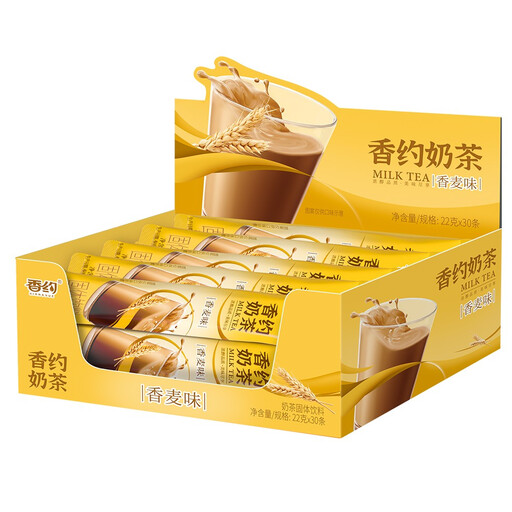
Why this product fits the profile: The 30 individually wrapped portions are ideal for regular enjoyment at home or in the office. One portion is prepared with 150 ml of hot water.
The fixed portion size prevents unclear dosing. The ingredients list shows milk components and non-dairy creamer powder.
30 portions of 22 g each; preparation with hot water at a minimum of 85 °C.
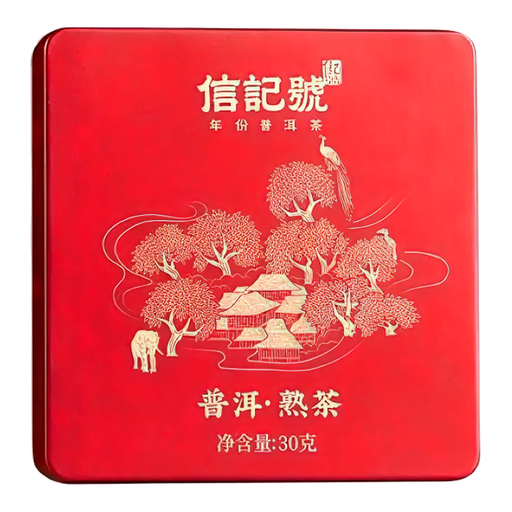
Why this product fits the profile: The loose Pu-erh tea is aimed at buyers who want to control the infusion, dosage and steeping time themselves.
The recommended dosage of 5–8 g and the temperature of 95–100 °C make the preparation easy to follow.
30 g pack; according to the instructions, multiple infusions are possible.
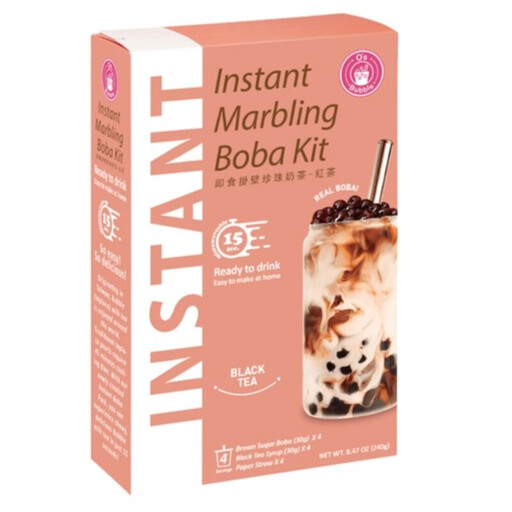
Why this product fits the profile: The set combines tea, syrup and tapioca pearls for making bubble tea at home.
The components are listed separately. A microwave or boiling water is specified for preparing the boba sachet.
240 g set; preparation with 150 ml of water or milk and ice.
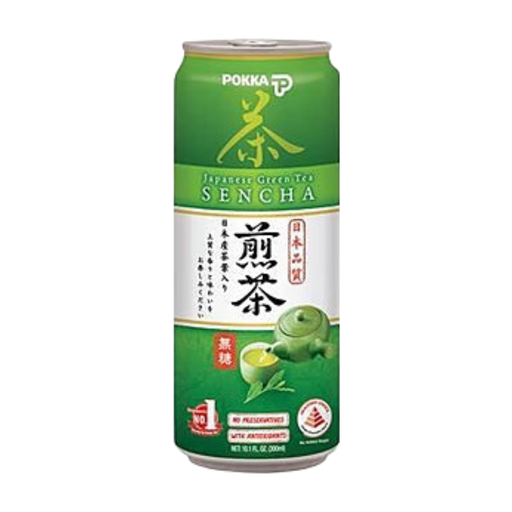
Why this product fits the profile: This Japanese green tea is ready to drink and ideal for the office, your commute or enjoying chilled without a kettle.
The can is ready to drink. According to the product information, the drink contains no declared sugar and should be consumed promptly after opening.
300 ml can; can be stored at room temperature.
We have put together a complete, regularly updated list of products that fully meet these strict selection criteria and the safety regulations in force in the EU.
This depends on the product and the packaging. Powders should be stored in a dry, cool place and kept tightly sealed. With products such as Delief Ginger Tea or Jujubee Tea, you should pay particular attention to moisture and the respective packaging instructions after opening. The best-before date on the original packaging remains the deciding factor.
The exact dosage depends on the instructions on the pack. For Instant Thai Tea Mix, approximately 20 g of powder with 150–200 ml of hot water is recommended. For a cold version, dissolve the drink in hot water first and then pour it over ice. Milk or a plant-based drink can be added depending on the product, provided the ingredients list and preparation instructions allow it.
No. Black tea, green tea, oolong and Pu-erh tea naturally contain caffeine, although the amount depends on the variety, dosage and steeping time. Herbal teas can be caffeine-free, but they do not automatically consist of any mild herbal blend. With special ingredients such as senna leaves, the manufacturer's safety instructions should be observed.