
Lieferung heute & morgen

Qualitätsgarantie

Willkommens-Angebote freischalten: KOSTENLOSE Lieferung | Bis zu 80 % RABATT | Kostenlose 30-Tage-JoyPlus-Testphase
App herunterladen
Asian bread rolls and bao buns differ considerably in terms of fillings, preparation, storage and allergens. If you focus only on product images or terms such as “authentic”, you can quickly end up buying a variant that does not suit your everyday needs. Different criteria matter for an Asian breakfast, a dim sum dinner or a quick snack than for sweet baked goods enjoyed with coffee.
Some products are ready to eat and can be enjoyed straight from the packaging. Others, such as frozen bao buns, need to be steamed or thawed before eating. Checking the preparation instructions helps you avoid buying the wrong product:
A large product image says little about the actual proportion of filling. Details such as “red bean filling 25%”, “pork 15%” or the stated proportion of chestnuts or salted egg yolk are more relevant. If you are expecting an intense flavour, check the ingredients list and percentage information.
With filled bao buns, the choice ranges from char siu buns and savoury filled rolls to sweet filled buns with red bean, coconut, chocolate or milk cream.
Wheat, egg, milk and soya are found in many Asian baked goods. Sesame, nuts, crustaceans or mustard may also be listed as allergens or possible traces. “Plant-based” does not automatically mean free from soya or wheat. The labelling on the product packaging remains the definitive source of information.
A steaming insert or food steamer is useful for classic dim sum buns and steamed bao buns. Some products are steamed directly from frozen for around 8 to 12 minutes. Ready-made bread rolls, on the other hand, often need just a few seconds in the microwave. The manufacturer's timings should be treated as a guide, as appliances differ in power and design.
Frozen products are usually stored at −18 °C or below. The cold chain should be interrupted for as little time as possible when shopping and transporting the product. Thawed products should be kept in the fridge and consumed promptly in accordance with the packaging instructions.
Products designed to be stored at room temperature, such as some Hong Kong buns or packaged red bean bread, are easier to manage for spontaneous snacking. Once opened, an airtight seal and prompt consumption are recommended.
Portion sizes often range from 70 to 125 grams. Therefore, in addition to the values per 100 grams, you should also consider the actual pack weight. A 45-gram bao can provide considerably less energy than a 105-gram filled bread roll, even if their nutritional values per 100 grams are similar. Sugar, fat, protein and salt are also important when comparing products.
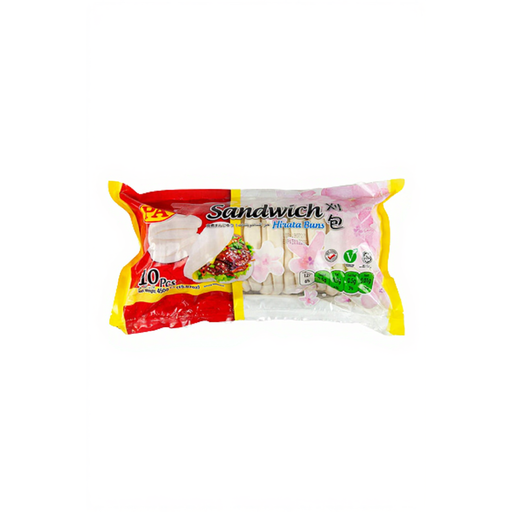
Why this product suits this profile: Ten unfilled bao sandwich buns provide a flexible base for vegetables, chicken, BBQ meat or sweet fillings. The 450-g pack is suitable for several meals and sharing.
The pack clearly states the number of pieces, total weight, ingredients and frozen storage requirements. This makes it easier to plan your supplies than with individually portioned products.
10 pieces, 45 g per bun and preparation by steaming directly from frozen.
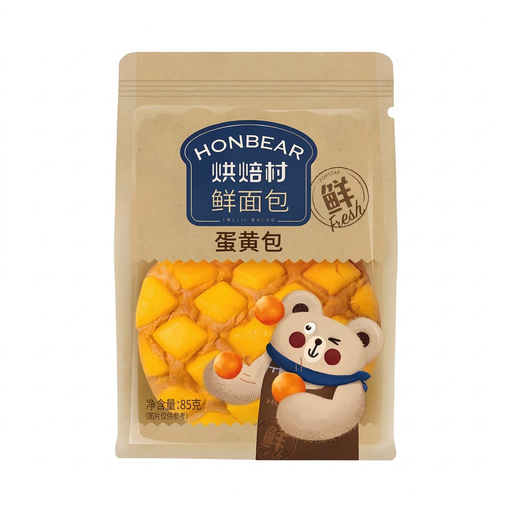
Why this product suits this profile: The combination of soft dough, mung bean paste and salted egg yolk is ideal for fans of distinctive Chinese baked goods with a clearly stated filling.
The stated proportion of egg yolk filling and the allergens are listed in the product description. Preparation is described as taking around 15 seconds in the microwave.
85-g individual portion, 367 kcal per 100 g and a filling containing a stated salted egg yolk proportion of at least 24 per cent within the filling.
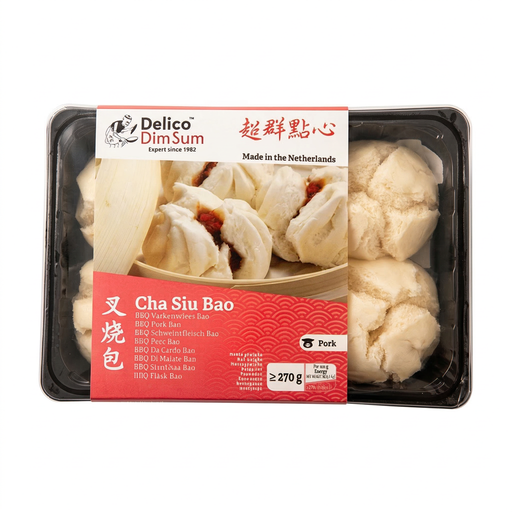
Why this product suits this profile: If you are looking for char siu buns for a quick lunch or a dim sum evening, this frozen pack comes with a savoury pork filling.
The pack specifies frozen storage and steaming directly from frozen. This makes the preparation method clear and means it does not depend on unsuitable microwave heating.
270-g pack, steaming time of 8 to 10 minutes and declared allergens including wheat, soya and sesame.
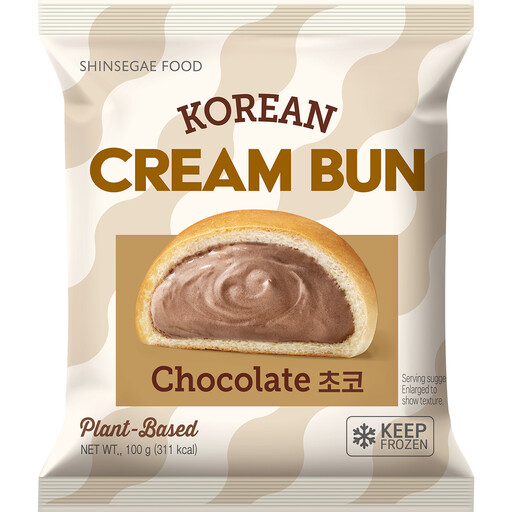
Why this product suits this profile: This Korean cream bun combines soft dough with plant-based cream and cocoa powder. It is ideal for sweet breaks, an Asian breakfast or keeping in the freezer.
The term “plant-based” is clarified by the ingredients list. Wheat and soya are still present, and possible traces of other allergens are also stated.
100-g portion, frozen storage and a thawing time of around 10 to 30 minutes; this product variant contains 2.7 per cent cocoa powder.
We have put together a complete, regularly updated list of products that fully meet these strict selection criteria and the safety regulations applicable in the EU.
For sweet varieties, options include red bean bread, Hong Kong buns with coconut filling, chestnut buns or lava bread with milk and chocolate filling. Savoury options include Hong Kong buns with BBQ pork, ham and cheese filling or sausage.
If you prefer a crisp surface, you can warm a red bean pineapple bread or a Hong Kong bun with a pineapple topping briefly in the oven. Ready-to-eat individual portions are more practical when you want especially quick preparation. For guests or families, however, a multi-pack such as unfilled sandwich buns or frozen dim sum buns is a better choice.
Many frozen bao buns are prepared directly from the freezer in a steaming insert. Depending on the product, around 8 to 12 minutes is usual. The buns should be heated all the way through. The specific instructions on the packaging take priority.
This depends on how they are stored. Frozen products remain suitable for storage in the freezer until the best-before date printed on the packaging. Thawed products should usually be refrigerated and consumed within a limited period. For products stored at room temperature, the printed date and the recommendation for consumption after opening are decisive.
Both are common. Savoury filled buns may contain char siu, vegetables or pork, for example. Sweet filled buns are available with red bean paste, coconut, chestnut, chocolate, milk or strawberry cream. Unfilled bao buns can be combined with your choice of ingredients after steaming.