
Lieferung heute & morgen

Qualitätsgarantie

Willkommens-Angebote freischalten: KOSTENLOSE Lieferung | Bis zu 80 % RABATT | Kostenlose 30-Tage-JoyPlus-Testphase
App herunterladen
Asian teas and herbal drinks offer an impressive range, from robust ginger tea and Korean herbal infusions to ready-to-drink Chinese beverages. The differences, however, go far beyond flavour. Sugar content, serving size, ingredient lists and preparation methods all determine whether a product fits your daily routine.
Instant teas and drink powders often contain sugar, glucose syrup or fructose. One example is Goldkili Natural Ginger Drink, which, according to the product information, contains approximately 85 g of sugar per 100 g. Delief Ginger Tea 560 g is also based on sugar, fructose and sweetened ginger. This is not inherently problematic, but it should be factored into your choice if you plan to consume the product daily.
Check the packaging for:
A product labelled “Zero Sugar” may still contain sweeteners. Mcnulty Stevia Zero Sugar Ssanghwa Tea lists stevia as a sweetener; the current nutrition table on the packaging remains decisive when making a purchase.
Korean herbal tea, Chinese herbal tea and jujube tea are often associated with traditional recipes. However, this does not imply any medical or therapeutic effect. What matters is the list of ingredients actually provided.
For example, Delief’s jujube tea contains fructose, sugar, sweetened jujube, jujube concentrate and flavourings. A Chinese herbal drink such as Wang Lao Ji contains, among other ingredients, chrysanthemum, liquorice, cassia seeds and sugar. Always check the ingredient list, particularly if you wish to avoid specific botanicals, liquorice or sweeteners.
A ready-to-drink herbal tea can be consumed directly from the can or bottle. This is convenient for work, outings or meals, but it often means larger packaging and a fixed flavour profile.
Instant tea, by contrast, is mixed with water. You can adjust the strength to some extent, but you will need hot water and a spoon or stirrer. Tea bags are pre-portioned and easy to store, but they require a brewing time.
Always compare products using the same reference quantity: per 100 ml for ready-to-drink beverages and per 100 g for powders or mixes. A drink containing 8 g of sugar per 100 ml delivers approximately 24.8 g of sugar in a 310 ml can, assuming the stated values apply to the full liquid volume.
With unsweetened herbal tea, the sugar content of the brewed drink is generally far lower. Meßmer Kräuter Pur, for example, lists less than 0.1 g of sugar per 100 ml of infusion; the blend contains peppermint, lemongrass, fennel, orange peel, rooibos, chamomile and other herbs.
Herbal tea, chamomile tea, peppermint tea and fruit tea are generally not made from traditional tea leaves such as Assam or sencha. Many varieties are therefore naturally caffeine-free. Nevertheless, check the ingredient list carefully, especially for blends containing black tea, green tea, mate or guarana.
Chamomile tea, peppermint tea or a caffeine-free fruit tea can be suitable choices for the evening. According to the product information, Jeden Tag Chamomile Herbal Tea contains chamomile flowers and comes in tea bags. One cup is prepared with approximately 200 ml of boiling water and should steep for 5 to 8 minutes.
Small sachets or single-serve sticks are ideal for individual cups and travel. Jars containing 450 to 560 g offer better value for regular use, but once opened they require a dry, tightly sealed storage location. Some products should be refrigerated after opening.
Ready-to-drink cans and bottles are straightforward to use, but should be consumed promptly after opening. Also check the packaging for the country of origin, responsible company, best-before date and refrigeration instructions.
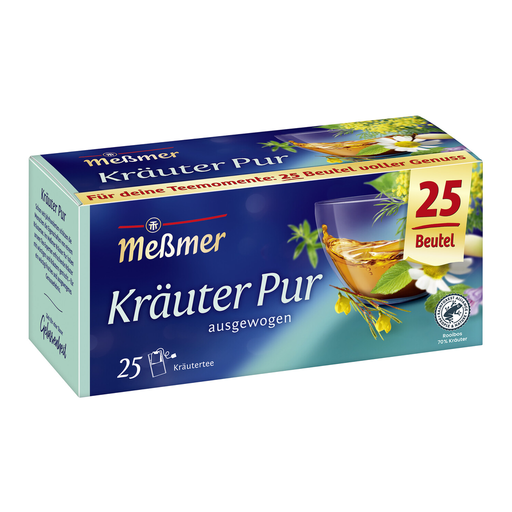
Why This Fits Their Persona: A pre-portioned blend for adults seeking an uncomplicated introduction to caffeine-free herbal tea.
The ingredient list is clearly provided, and the stated sugar content of the infusion is below 0.1 g per 100 ml.
25 tea bags, several herbs in one blend and a recommended steeping time of 6 minutes.
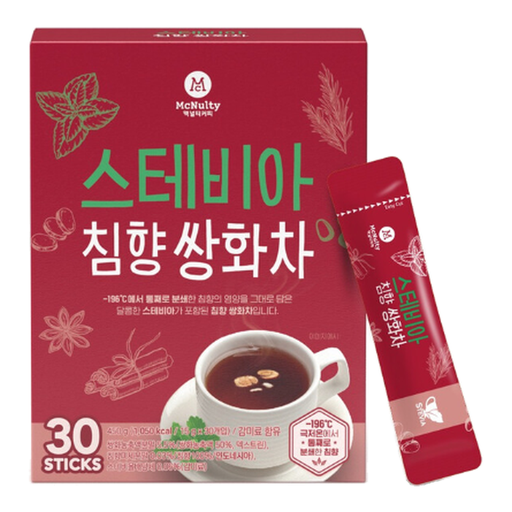
Why This Fits Their Persona: Designed for lovers of Korean flavours who prefer instant preparation and a recipe sweetened with stevia.
The “Zero Sugar” claim is supported by the stated use of stevia; nevertheless, check the current nutrition table.
450 g format, adjustable serving size of 1 to 2 teaspoons and country of origin listed as South Korea.
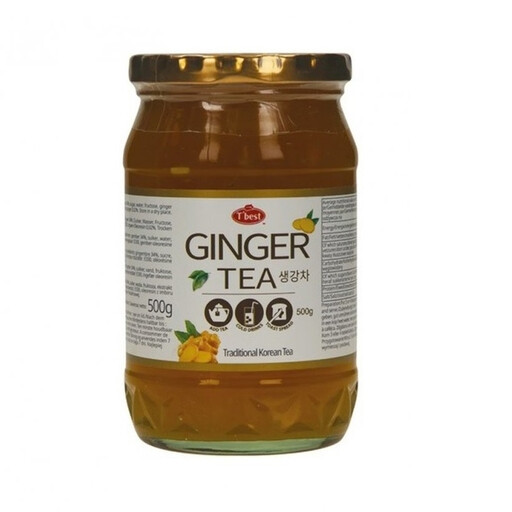
Why This Fits Their Persona: This jar is aimed at those who prepare ginger tea regularly and prefer a larger bulk pack.
The ginger content is listed as 34%. At the same time, the nutrition table states 53 g of sugar per 100 g.
500 g jar, strength adjusted to taste and refrigeration after opening according to the product information.
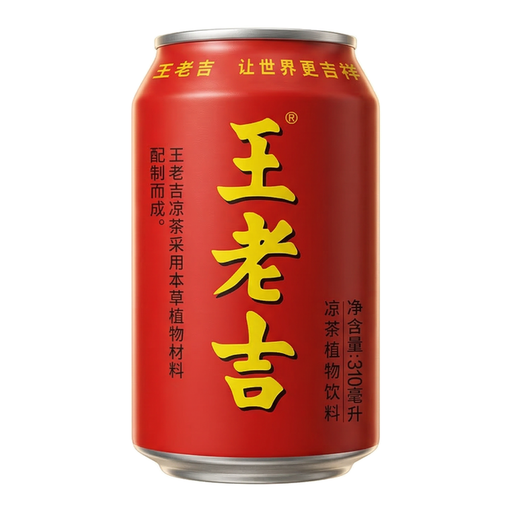
Why This Fits Their Persona: A ready-to-drink Chinese herbal beverage for the office, picnics or as an accompaniment to Asian meals.
The ingredients and sugar content are provided: 8 g of sugar per 100 ml, equivalent to 32 kcal per 100 ml.
310 ml can, ready to drink immediately and listed as originating from China according to the product information.
Explore the complete selection of Asian teas and herbal drinks by preparation method, flavour, pack size and ingredients.
No. Herbal teas made from chamomile, peppermint or fruit blends are often caffeine-free, but some blends may also contain green tea, black tea or mate. Always check the complete ingredient list.
That depends on the product. Store powders and pastes in a dry, airtight container. Products carrying explicit refrigeration instructions should be stored accordingly. The specific best-before date and the manufacturer’s information on the packaging take precedence.
Compare the actual proportion of the named ingredient with the amounts of sugar, syrup and flavourings. Huierkang’s winter melon tea, for example, lists 5% winter melon juice; the variety is ready to drink and contains 8 g of carbohydrates per 100 ml according to the product data. Chrysanthemum tea may also contain sweeteners and natural sediment. The decisive factors remain the ingredient list, nutritional information and storage instructions.