
Lieferung heute & morgen

Qualitätsgarantie

Willkommens-Angebote freischalten: KOSTENLOSE Lieferung | Bis zu 80 % RABATT | Kostenlose 30-Tage-JoyPlus-Testphase
App herunterladen
From meaty shiitake to crunchy wood ear, Asian mushrooms enrich the culinary world with unique textures and deep flavours. However, the growing selection available in the UK can also lead to disappointing purchases. Anyone who has ever prepared a watery hot pot or a flavourless stir-fry knows the problem: not every mushroom is suitable for every recipe. This guide will help you navigate the most common pitfalls and find the right mushrooms for your culinary goals.
Common Mistakes When Buying Asian Mushrooms
To avoid these mistakes, you should check three key criteria before buying. These will help you objectively assess a product's quality and suitability.
The form in which you buy mushrooms has the biggest impact on flavour, texture, and preparation.
Each mushroom variety has a characteristic profile that makes it ideal for specific dishes.
Pay attention to the product declaration. For dried mushrooms, whole, unbroken specimens are a sign of good quality. The ingredients list should be short—ideally just the mushroom itself. For canned products, a look at the salt content and any additives provides insight into the product's quality.
Here are some product recommendations tailored to specific user profiles, taking the above criteria into account.
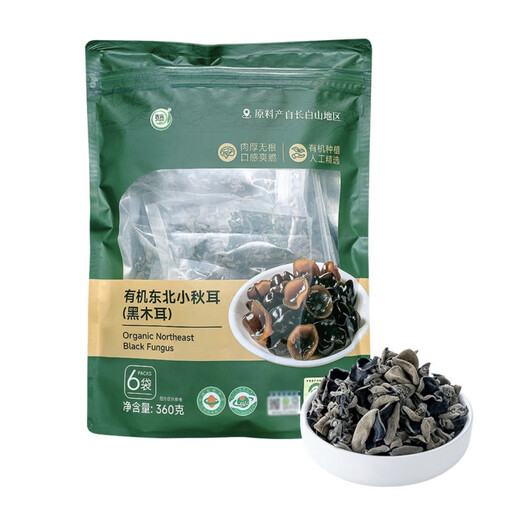
Why This Fits Their Persona: After soaking, these wood ear mushrooms develop a delicate yet firm, almost gelatinous texture. They are a classic ingredient for hot pot because they absorb the broth without falling apart and provide a pleasant "crunch" with every bite.
By specifically choosing a texture-rich mushroom, you avoid the problem of mushy ingredients. This product delivers the exact consistency desired for hot pot.
The large pack is ideal for social gatherings. The mushrooms are 100% dried black fungus (Auricularia auricula-judae) with no other additives.
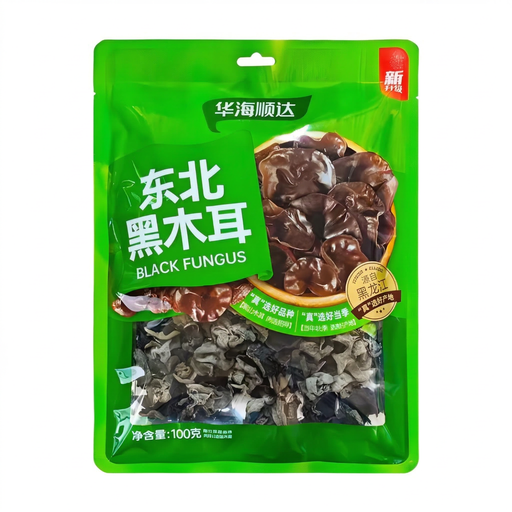
Why This Fits Their Persona: Texture is crucial for authentic stir-fries. These dried wood ear mushrooms from Northeast China rehydrate to a firm, crunchy consistency that holds up to high heat in a wok and absorbs sauces well.
Unlike canned mushrooms, which can quickly become soft in a wok, this dried product guarantees an authentic, firm texture after soaking.
Rich in dietary fibre and versatile enough for steaming, boiling, braising, and frying. The quality of the raw ingredients preserves the natural flavour.
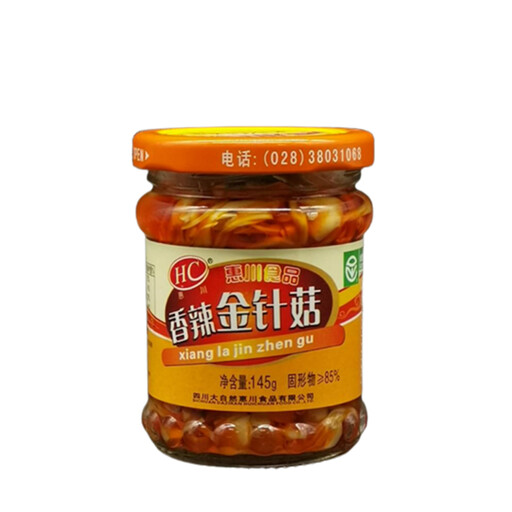
Why This Fits Their Persona: For anyone who wants to enjoy the taste of Asian mushrooms without the effort of cooking. These spicy marinated enoki mushrooms are ready to eat and perfect as a side dish, a topping for rice, or a standalone snack.
This product bypasses the entire preparation process required for fresh or dried mushrooms. There is no risk of improper preparation.
Instant enjoyment with a bold, spicy flavour profile. According to the manufacturer, the mushroom content is ≥73%.
We have compiled a complete, up-to-date list of products that fully meet these strict selection criteria and UK regulations.
1. How do you properly soak dried Asian mushrooms? Place the dried mushrooms in a bowl and cover them with lukewarm water. Hot water can compromise the texture. The soaking time varies from 20 minutes to several hours, depending on the size and variety. The mushrooms are ready when they are fully rehydrated and soft. The soaking water from shiitake mushrooms can be filtered and reused as an aromatic base for broths or sauces.
2. Can wood ear mushrooms (Judas's ear) be eaten raw? No. As stated on most product packaging, wood ear mushrooms must always be cooked before consumption. Even when used in cold salads, they should be briefly blanched in boiling water. Eating them raw is not recommended.
3. Which Asian mushrooms are suitable for beginners?Dried shiitake mushrooms and wood ear mushrooms are a great choice to start with. Shiitake effortlessly adds a deep umami flavour to dishes, while wood ear adds an interesting, crunchy texture. Both are relatively easy to handle as long as you follow the soaking instructions.