
Lieferung heute & morgen

Qualitätsgarantie

Willkommens-Angebote freischalten: KOSTENLOSE Lieferung | Bis zu 80 % RABATT | Kostenlose 30-Tage-JoyPlus-Testphase
App herunterladen
A new hair colour can refresh your look and boost your confidence. However, buying a dye for at-home application is often more complicated than it seems. Many products promise professional results, but the wrong choice can frequently lead to disappointment, unwanted colour outcomes, or even hair damage. As your Joybuy Product Recommendation Officer, I'm here to help you identify the common pitfalls and make an informed decision.
Before you choose a product, it's important to critically examine the most common marketing claims and product features. Three points in particular often lead to the wrong purchase:
To find the right hair dye for your needs, it helps to understand the basic product characteristics. Focus on these three criteria to make an informed choice.
Longevity is the most important distinguishing feature. Products are generally categorised into three levels:
The grey coverage claim is a guideline. For a reliable result on a high percentage of grey hair, permanent dyes (Level 3) are usually the safer choice. Look for formulas specifically developed for high coverage. The colour result shown on the box is a guide and can vary depending on your starting hair colour. A brown hair dye can look different on light hair than on dark hair.
Modern hair dyeing doesn't have to mean stress for your hair. Many manufacturers now include conditioning ingredients to minimise damage.
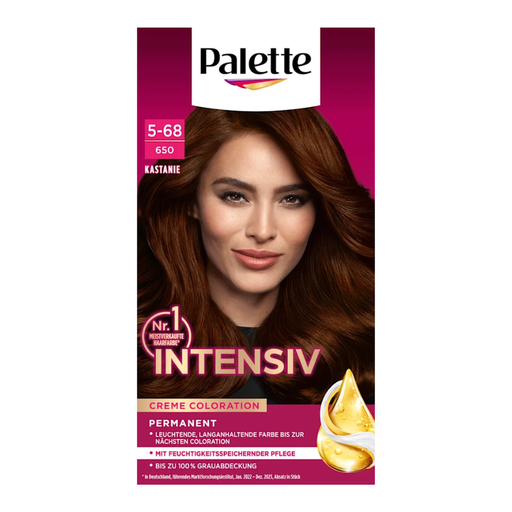
Why This Fits Their Persona: Ideal for those dyeing their hair at home for the first time who want reliable results without a high cost. The brand is known for its straightforward application and excellent value for money.
This product is clearly labelled as a permanent cream colour, minimising the risk of confusion with a toner. The packaging provides clear guidance on the expected grey coverage.
Offers a rich selection of colours and a formula enriched with Macadamia Oil. The application is simple and suitable for beginners.
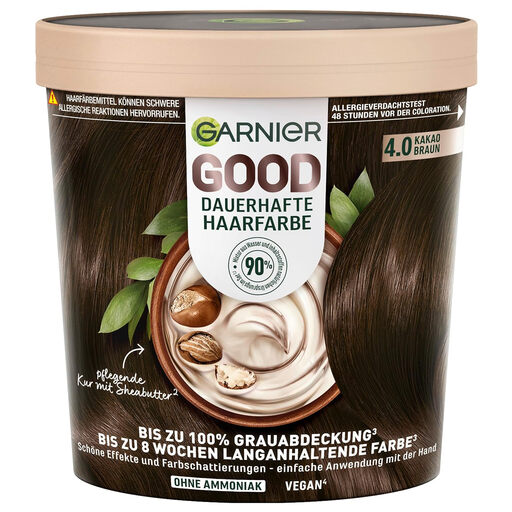
Why This Fits Their Persona: Perfect for users who prioritise gentle formulas. This ammonia-free hair dye is designed for a more pleasant application experience, targeting those with sensitive scalps or anyone who wants to avoid chemical odours.
Directly addresses the pitfall of ignoring ingredients. Its formula, with 90% naturally derived ingredients and no ammonia, puts hair care first without compromising on coverage.
Features a vegan formula and a non-drip texture that's easy to apply by hand. The pleasant scent makes the application a positive experience.
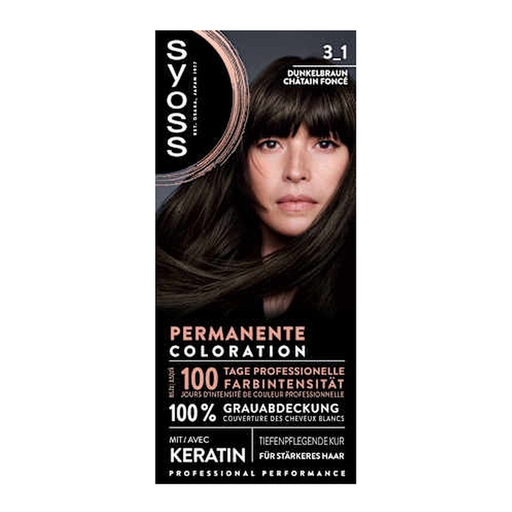
Why This Fits Their Persona: For users seeking intense, long-lasting colour and high grey coverage comparable to salon quality. Syoss positions itself as a professional solution for at-home use.
Counteracts the problem of insufficient grey coverage by promising excellent performance. Its long-lasting colour intensity of up to 100 days (according to the manufacturer) prevents the colour from fading quickly.
The 3-in-1 formula includes a keratin treatment that strengthens the hair from within after colouring. This ensures hair feels healthy despite the permanent dye process.
We've compiled a complete, up-to-date list of products that fully meet these strict selection criteria and all relevant safety standards.
The recommended interval between two permanent colour applications (Level 3) is typically four to six weeks. This gives your hair time to recover and roughly corresponds to the time it takes for visible roots to grow in. For semi-permanent dyes, the interval can be shorter. Always use a rich conditioning treatment after colouring to support your hair's structure.
Ammonia is an alkalising agent that opens the hair's cuticle (the outer layer) to allow colour pigments to penetrate. It's very effective but has a pungent smell and can irritate the scalp. An ammonia-free hair dye uses alternative agents (like ethanolamine), which are considered gentler and are more odour-neutral. Both types can achieve permanent results, but ammonia-free products are often perceived as more conditioning.
As a rule of thumb: Cool skin tones with bluish or pink undertones pair well with ashy or neutral shades of brown. Warm skin tones with golden or olive undertones benefit from browns with red or golden reflects, like chocolate or caramel brown. A quick check of the veins on your wrist can help: blueish veins suggest a cool skin tone, while greenish veins indicate a warm one.