
Lieferung heute & morgen

Qualitätsgarantie

Willkommens-Angebote freischalten: KOSTENLOSE Lieferung | Bis zu 80 % RABATT | Kostenlose 30-Tage-JoyPlus-Testphase
App herunterladen
Choosing a PC power supply unit (PSU) is an often-underestimated task. Yet, it's the heart of every system, delivering stable power to all components. The wrong choice can not only hinder performance but, in the worst-case scenario, damage expensive hardware. Many buyers fall into traps set by marketing hype and unclear technical specifications. Before you make a decision, you should know the three most common pitfalls:
This guide will help you navigate these issues and make an informed decision based on objective criteria.
To ensure your new power supply is a stable, long-term investment, you should check three core technical parameters. These define the compatibility, efficiency, and user experience of a modern PSU.
The ATX 3.1 and PCIe 5.1 standards are critical for compatibility with the latest generation of graphics cards and processors. These components can cause extremely high, transient power spikes (so-called "power excursions") that far exceed their rated power. An ATX 3.1-compliant power supply is designed to absorb these spikes without the system becoming unstable or shutting down.
A key feature is the power supply with a 12V-2x6 connector. This connector is an evolution of the previous 12VHPWR plug, offering a safer and more reliable connection for graphics cards that require up to 600 watts of power. Buying a PSU with this standard ensures your system is ready for current and upcoming hardware.
Efficiency isn't just about electricity costs; it's also about waste heat. An inefficient power supply converts more electricity into heat, which raises system temperatures and forces fans to spin faster and louder. While the "80 Plus" rating is a well-known indicator, the Cybenetics Gold efficiency certification offers a more modern and comprehensive evaluation.
Cybenetics tests efficiency across a broader load range and also assesses the power supply's noise output. A Cybenetics Gold rating thus guarantees not only high energy efficiency but also quiet operation, making it a more meaningful quality mark for a quiet gaming power supply.
An 850W fully modular power supply offers maximum flexibility for PC building. You only use the cables you actually need. The result is a tidy interior with less cable clutter, which not only improves aesthetics but also optimises airflow, thereby aiding the cooling of all components.
The fan is crucial for noise levels. Models like the Corsair RM Series often feature a "Zero RPM Fan Mode." In this mode, the fan stops completely at low to medium loads, ensuring absolute silence. Only when a certain temperature or load threshold is crossed does the fan start to spin to actively cool the components.
Based on the criteria above, we have curated a selection of power supplies suitable for different needs and budgets.
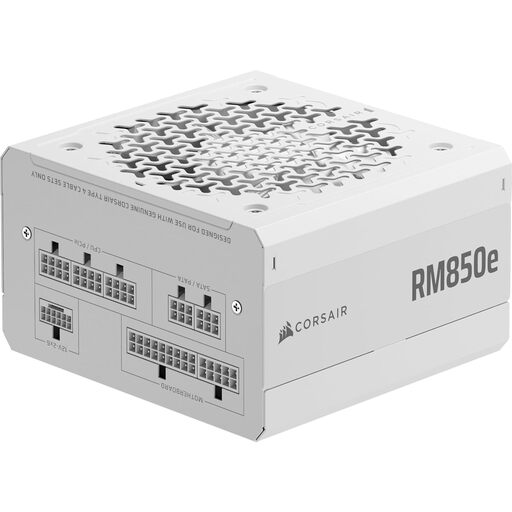
Why This Fits Their Persona: Ideal for users aiming for an immaculate, all-white PC build. The white chassis and matching white, fully modular cables allow for an extremely clean and aesthetically pleasing system without compromising on performance.
The fully modular design prevents unnecessary cable clutter. Its ATX 3.1 compliance and 12V-2x6 connector ensure compatibility with modern, high-end white graphics cards.
Combines a high-quality white design with modern technical standards (ATX 3.1, Cybenetics Gold) and quiet Zero RPM operation.
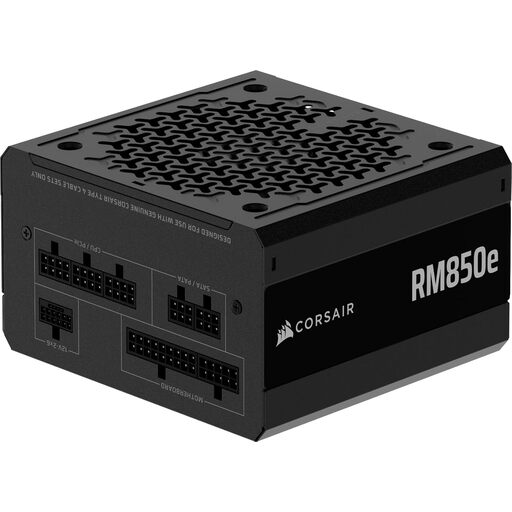
Why This Fits Their Persona: This power supply delivers the stable and efficient performance required for high-end gaming PCs and workstations. The 850 watts provide plenty of headroom for overclocked CPUs and powerful graphics cards.
The Cybenetics Gold certification ensures high efficiency and low waste heat. The Zero RPM mode keeps the PSU silent under low load, only cooling actively when needed.
Offers future-proof compatibility with ATX 3.1 and PCIe 5.1. The stable power delivery and quiet operation make it a reliable choice for demanding systems.
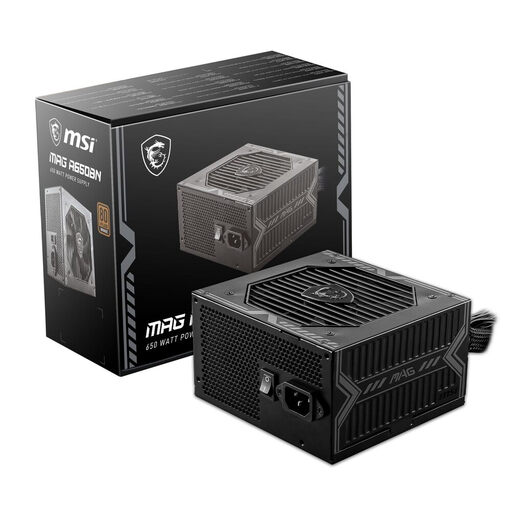
Why This Fits Their Persona: A solid choice for PC builders on a limited budget who need a reliable power supply for a mid-range gaming system. 650 watts is sufficient for most single-GPU configurations.
Although it doesn't meet the latest ATX 3.1 standard, it offers certified 80 Plus Bronze efficiency and essential protection circuits (OCP, OVP, etc.) often missing in no-name power supplies.
Excellent price-to-performance ratio from an established brand. The DC-to-DC design ensures stable voltage regulation for components.
We have compiled a complete, up-to-date list of products that fully meet these strict selection criteria and safety regulations.
The main difference lies in the refinement of the power delivery standard for PCIe 5.0. The ATX 3.1 standard formally introduces the improved 12V-2x6 connector, which replaces the original 12VHPWR connector. This new plug is more robust and designed to ensure a more secure connection, reducing the risk of overheating issues with very powerful graphics cards. For building a new high-end PC, ATX 3.1 is the safer and more future-proof choice.
For most PC builders, the answer is yes. A fully modular power supply significantly simplifies installation, as there are no superfluous cables to tuck away in the case. This leads to a cleaner build and better airflow. For systems with a side-panel window, the aesthetic benefit is substantial. However, for pure budget builds in closed cases, a semi-modular or non-modular PSU can be a cost-effective alternative.
High-quality power supplies, especially from established lines like the Corsair RM Series, are built for longevity. Manufacturers like Corsair often provide long warranty periods of seven years or more on these models. This is a strong indicator of the expected lifespan. With normal use, such a power supply can easily last through several PC upgrade cycles, making it a long-term investment in the stability and safety of your system.