What to look for when buying
Start by working out how many voices you’ll record at once and whether each needs its own track. Then you can decide more easily whether built-in microphones will do, or whether external microphones and suitable inputs make more sense.
| Priority |
What to check before buying |
Who it matters most to |
| Clear voices despite room echo |
Check whether you can position a microphone close to each speaker and connect it to the recorder appropriately. |
If I’m speaking in a reverberant room, I want to position the microphone as close to the speaker as possible, rather than recording the room from the middle. Around 40% of consumers say clear voices despite room echo is their main priority. |
| Separate dialogue tracks |
Count the external microphone inputs you need to use at the same time, and check whether each voice can be recorded separately. |
When several people are speaking at once, I want to be able to edit each voice separately. Around 30% of consumers say separate dialogue tracks are their main priority. |
| Changing performance volume |
Check the recording format of the specific model and listen back to a test with both quiet and loud passages. |
When a scene shifts between quiet and loud passages, I want to be able to control the levels without losing sight of the room acoustics and microphone placement. Around 20% of consumers say changing volume levels are their main priority. |
| Quick set-up and portability |
Check whether the built-in microphones suit your planned set-up and which connections you’ll want to use on the move. |
When I move between rehearsal locations, I want a set-up that’s easy to transport and lets me listen back before packing up. Around 10% of consumers put quick set-up and portability first. |
Joybuy products for mobile voice recording
The compact voice recorders below are designed for straightforward mobile voice recording using built-in microphones. For dialogue in an untreated room, take particular care to check microphone placement, the inputs you need and how separately you want to record each voice.
 No image available
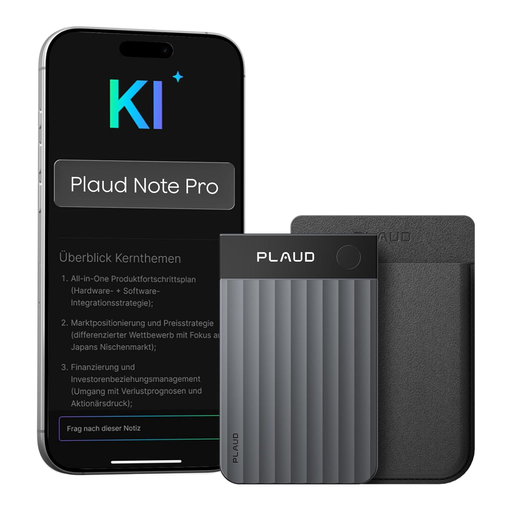
PLAUD Note Pro, 64 GB
For mobile voice recording with built-in microphones; if you need to record several voices separately, check the planned connections and microphone placement.
The product title lists 64 GB of storage, 30 h battery life and 4 MEMS microphones.
View at Joybuy
 No image available
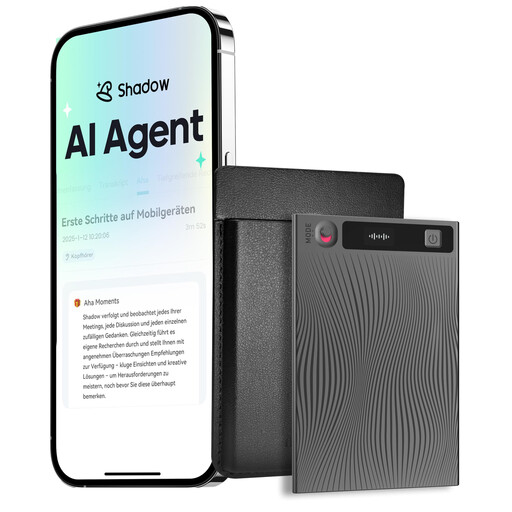
Mobvoi TicNote Standard, 64 GB
Worth considering as a portable voice recorder for straightforward recordings; for several audio drama voices, check in advance that your planned set-up provides the connections and separate tracks you need.
The product title lists 64 GB, a 3-microphone array and 20H Recording.
View at Joybuy
 No image available
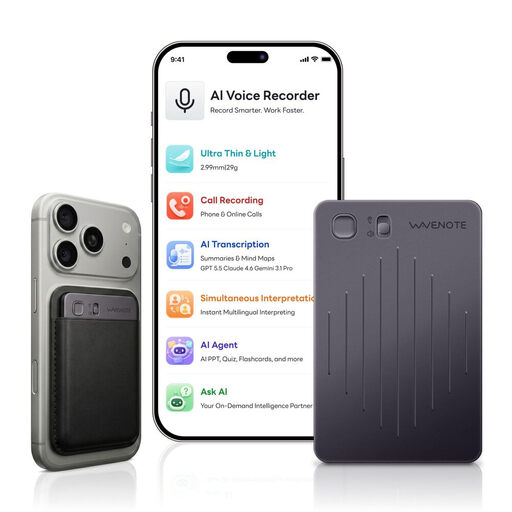
WaveNote AI Voice Recorder, 64 GB, Black Grey
Worth considering for straightforward mobile voice recording; for an ensemble, also check whether you can position microphones close enough to the voices and record separate tracks.
The product title lists 64 GB of storage.
View at Joybuy
 No image available
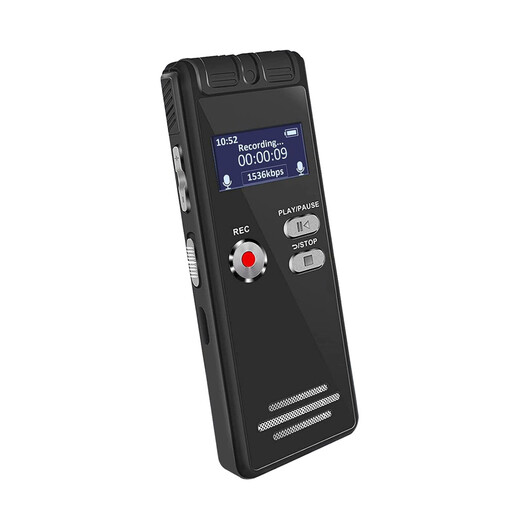
Rexsun L15 Digital Voice Recorder, 64 GB
Worth considering for straightforward voice recording and listening back to a test through headphones; for audio drama dialogue, also think about microphone placement and the separate tracks you need.
The product title lists 64 GB and an LCD screen.
View at Joybuy
 No image available
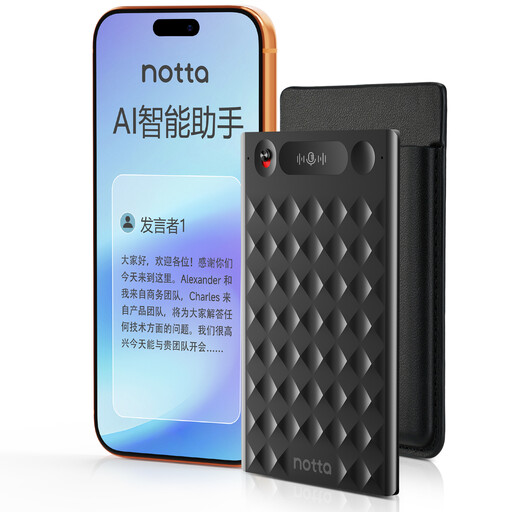
32 GB AI Voice Recorder with case, black
Worth considering as a compact device for mobile voice recording; if several people will be speaking, check before buying whether your planned set-up allows for separate microphones and tracks.
The product title lists 32 GB of storage and a case.
View at Joybuy
Frequently asked questions
Does 32-bit float help with room echo?
No. The recording format affects how you handle levels; the balance between direct voice and reflected sound depends largely on the room and microphone placement. Start by placing the microphone close to the speaker and listen back to a test recording.
How should I plan inputs for several people speaking at once?
Allow for a suitable input for every separate wired microphone track you want to record. Also check the microphone type, connector, whether phantom power is needed and whether each track can actually be recorded separately: four advertised tracks don’t necessarily mean four XLR inputs.
What should I test before my first audio drama recording?
Position the microphones as close to the voices as possible, record a test with both normal and loud passages, then listen back through headphones for echo, spill and interference. RØDE also recommends choosing a quiet room and arranging microphones to reduce spill when recording several people.
What else should I plan for my recording set-up?
Check whether your particular set-up needs microphones, stands, cables, storage media or a suitable power supply. If something is faulty, remember that your statutory rights are separate from any voluntary guarantee, as the Verbraucherzentrale points out.
Can I record other people for an audio drama and publish the recording?
Under § 201 StGB, recording another person’s non-public spoken words without authorisation is a criminal offence. § 77 UrhG concerns the exclusive right of performing artists to record their performances; § 19a UrhG governs making a work publicly available online. Before recording or publishing, make sure you have the necessary consent and rights for the voices, performances and works involved.


