If your voice shifts between quieter and more emphatic passages, a handheld recorder with 32-bit float recording could be a suitable option. Even so, it’s essential to make a test recording in the actual space where you’ll be speaking. For a straightforward solo speech, a voice recorder with built-in storage may be enough, while extra inputs are mainly useful if you’re recording additional voices or separate audio tracks.
Which type of recorder is right for you?
Speakers with a dynamic delivery
If you deliver the same appeal quietly in some parts and more emphatically in others, you’ll want to be able to check or edit the recording afterwards. Zoom and Tascam describe 32-bit float recording as a feature of their respective models, but a test recording is still important.
Recording in challenging spaces
If you’re recording in a room with echo or background noise, first check whether your voice remains clear from the intended speaking position. A quick listening test can help you assess the microphone position and recording location.
Small campaign teams
If you’re planning interviews, separate microphones or audio for video as well as a solo voice recording, make sure the inputs and tracks you need suit your recording workflow. Zoom lists four tracks and two XLR/TRS inputs for the H4essential.
What should you look for when choosing one?
Compact voice recorder
A good fit if: you’re recording a short piece on your own and want to transfer the files easily. Sony lists 4 GB of built-in storage and a direct USB connection for the ICD-UX570.
Bear in mind: voice recording features are no substitute for listening to quiet and emphatic passages recorded in your own space.
Handheld recorder with built-in microphones
A good fit if: you want more flexibility when adjusting levels between quiet and loud passages. Zoom and Tascam list 32-bit float recording for the H1essential and DR-05XP.
Bear in mind: the recording format won’t fix a reverberant room or poor microphone positioning; the DR-05XP also requires a microSD card to be prepared.
Multitrack recorder with XLR/TRS inputs
A good fit if: you’re also planning interviews or separate microphone tracks. Zoom lists two XLR/TRS inputs and four tracks for the H4essential.
Bear in mind: extra connections aren’t automatically necessary for a solo voice recording using the built-in microphones.
Recorder with built-in storage and adjustable microphone direction
A good fit if: you want to handle a range of recording situations. OM SYSTEM lists 16 GB of built-in storage and adjustable directionality for the LS-P5’s three-microphone system.
Bear in mind: manufacturer specifications can’t predict whether a voice will sound clear in your particular recording space.
| What you need |
What to check before buying |
Who it matters most to |
| Changes in volume |
Check the recording format, then record and listen back to your quietest and loudest lines from the planned speaking position. |
If my delivery shifts between calmer and more emphatic passages, I want to be able to check the take afterwards. Around 36% of consumers prioritise changes in speaking volume. |
| Clarity in the recording space |
Make a test recording from the intended position and use headphones to check your voice, the room sound and any interference. |
If the room is echoey or there’s background noise, I want to know whether my voice will remain clear there. Around 29% of consumers focus on clarity in the recording space. |
| A straightforward recording and file workflow |
Check the built-in storage, any memory card required, recording confirmation, playback and file transfer for the exact model. |
If I only want to record one appeal, I want setup and file transfer to be simple. Around 21% of consumers prioritise a straightforward workflow for a single recording. |
| Additional voices or audio for video |
Decide in advance how many inputs and separate tracks you actually need, and whether the accessories are compatible. |
If I’m also planning interviews, external microphones or audio for video, I’ll need the right connections and tracks. Around 14% of consumers consider multiple audio sources their main priority. |
Common buying mistakes to avoid
-
Thinking 32-bit float recording makes a test recording unnecessary
The recording format doesn’t tell you how your voice, the room acoustics and the microphone position will work together at your intended recording location.
Record quiet and emphatic lines from the intended position, then listen to the test before making your final recording.
A poor take could mean having to record again and spend more time editing.
-
Assuming all recorders have the same storage and connections
The Tascam DR-05XP requires a microSD card to be prepared, while the Sony ICD-UX570 has built-in storage. An extra microphone input is only useful if it’s compatible with the microphone you plan to use.
Before buying, check the recording process for the exact model, from the microphone through to the transferred file.
-
Treating other people’s voices as mere background noise
There are legal restrictions on recording other people’s non-public speech and processing identifiable voices.
If you’re planning interviews, clarify the legal and practical arrangements for recording and intended publication in advance.
Key brands at a glance
Zoom
The H1essential and H4essential are worth considering if you’re choosing between a compact recorder with built-in microphones and one with additional inputs.
- Zoom lists 32-bit float recording for both models; the H4essential also has two XLR/TRS inputs.
- That doesn’t mean better sound in your room, or that you need multitrack recording for a solo voice.
Tascam
The DR-05XP is a handheld option with built-in microphones and a stereo mini-jack input for a potential external microphone.
- Tascam lists 32-bit float recording and several recording formats; the user manual specifies that a microSD card must be prepared.
- Specifications for the older DR-05X don’t necessarily apply to the DR-05XP.
Sony
The ICD-UX570 could be worth considering for short solo voice recordings if built-in storage and direct USB file transfer are important to you.
- Sony lists 4 GB of built-in storage, Linear-PCM/MP3 and a direct USB connection.
- Sony’s claims about voice optimisation don’t independently confirm that it’s suitable for a compelling appeal.
OM SYSTEM
The LS-P5 is an option for different recording situations if you’re considering built-in storage and adjustable microphone direction.
- OM SYSTEM lists 16 GB of built-in storage and adjustable directionality for the three-microphone system.
- The specifications can’t reliably predict how a recording will sound from your particular speaking position.
Joybuy products for voice recording
The following Joybuy products are designed for voice recording and related digital workflows. Consider whether app control, transcription or recording earbuds suit your planned solo speech.
 No image available
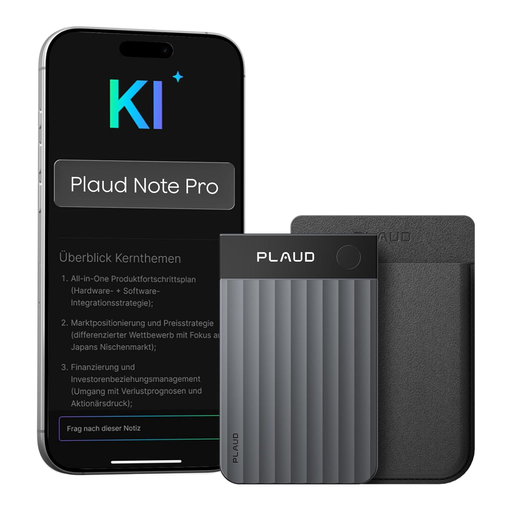
PLAUD Note Pro voice recorder, 64 GB, Black
For recording your own appeal if you’d like to edit or transcribe the recording afterwards using an app.
The product specifications list 64 GB of storage, up to 30 hours of recording and four MEMS microphones. It’s described as compatible with Android and iOS; app features require pairing with the PLAUD app.
View at Joybuy
 No image available
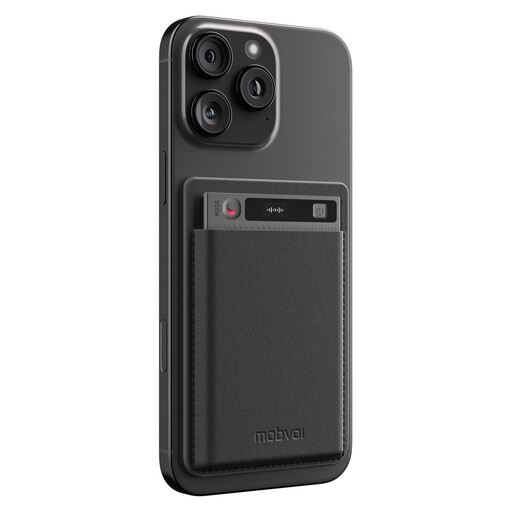
Mobvoi TicNote Lite AI voice recorder, 4 GB, Black
An option for voice recording if you’d like to manage your recording afterwards through an app or the web.
The product specifications list 4 GB of storage, Bluetooth and a triple-microphone system that includes a vibration microphone. Bluetooth pairing is required for the app features described.
View at Joybuy
 No image available
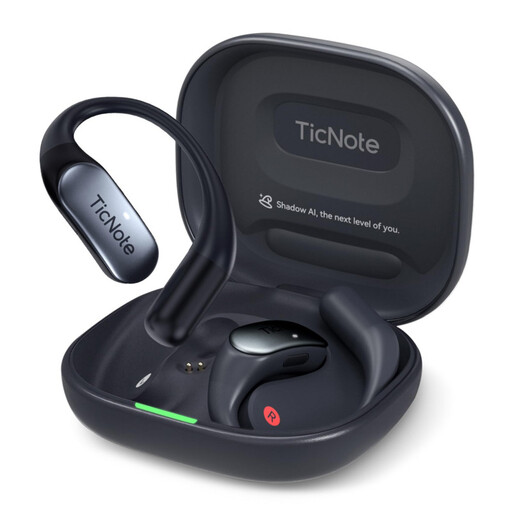
Mobvoi TicNote Pods 4G AI voice recorder, 32 GB, Navy Blue
For voice recording if you want to record without keeping your smartphone nearby after the initial app setup.
The product specifications list 32 GB of local storage, a dual microphone array and cloud upload over 4G. You’ll first need to set it up using the TicNote app.
View at Joybuy
 No image available
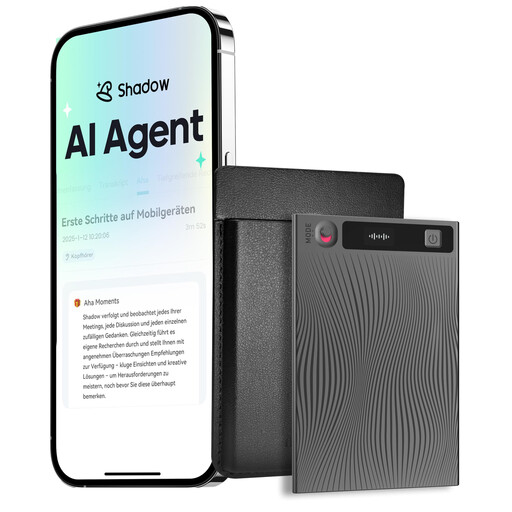
Mobvoi TicNote Standard AI voice recorder, 64 GB, Dark Grey
An option if you’d also like to transcribe or summarise your voice recording.
The product specifications list 64 GB of storage, 20–25 hours of recording, an OLED display and a microphone array with vibration and omnidirectional microphones. Wi-Fi or Bluetooth is used for syncing and managing files.
View at Joybuy
 No image available
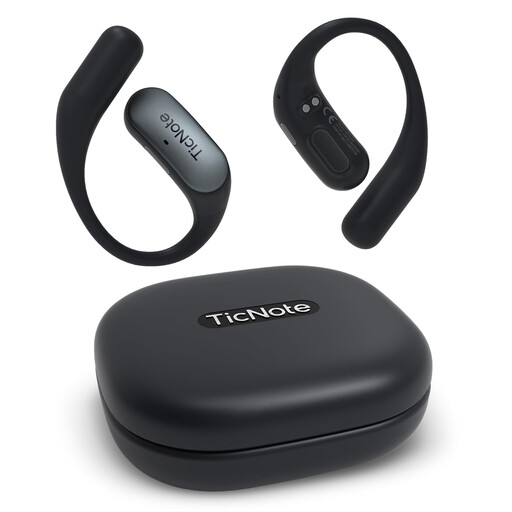
Mobvoi TicNote Pods Wi-Fi AI recording earbuds, 32 GB, Navy Blue
An option if you want to include voice recording and subsequent Wi-Fi file transfer in your workflow.
The product specifications list 32 GB of storage, two digital microphones and MP3 and WAV export. The recording system is described as suitable for conversations and external audio recording.
View at Joybuy
Frequently asked questions
Is 32-bit float enough if I suddenly speak more loudly during my appeal?
According to Zoom and Tascam, compatible models give you more flexibility when handling changes in recording levels. Even so, record quiet and loud passages as a test and listen back in the actual recording space. The format alone won’t remove room echo or background noise.
What should I prepare before my first recording?
Check the power supply, storage medium and file transfer for the specific device. The Tascam DR-05XP user manual specifies a microSD card; Sony lists built-in storage and a direct USB connection for the ICD-UX570.
Can I record other people for a fundraising appeal and publish their voices?
Don’t record another person’s non-public speech without authorisation: the data protection authority of Rhineland-Palatinate refers to § 201 StGB in relation to audio recordings. If identifiable voices are processed or published as part of the appeal, the organisation will also need an appropriate legal basis under data protection law. Consent is one possible basis, but not the only one. Discuss the recording and planned publication with those involved in advance. If you’re recording only your own voice, the question of recording other people’s voices doesn’t arise.


